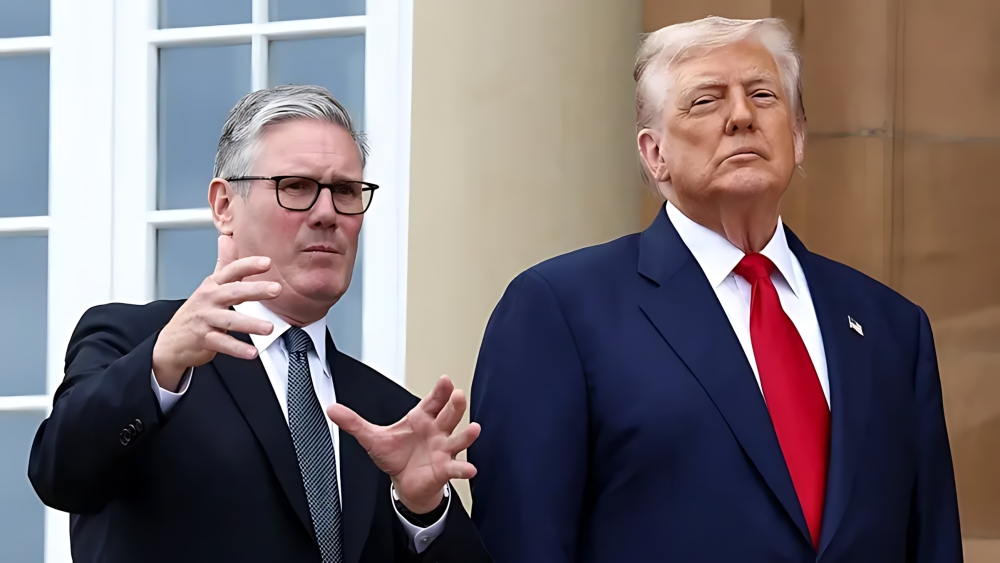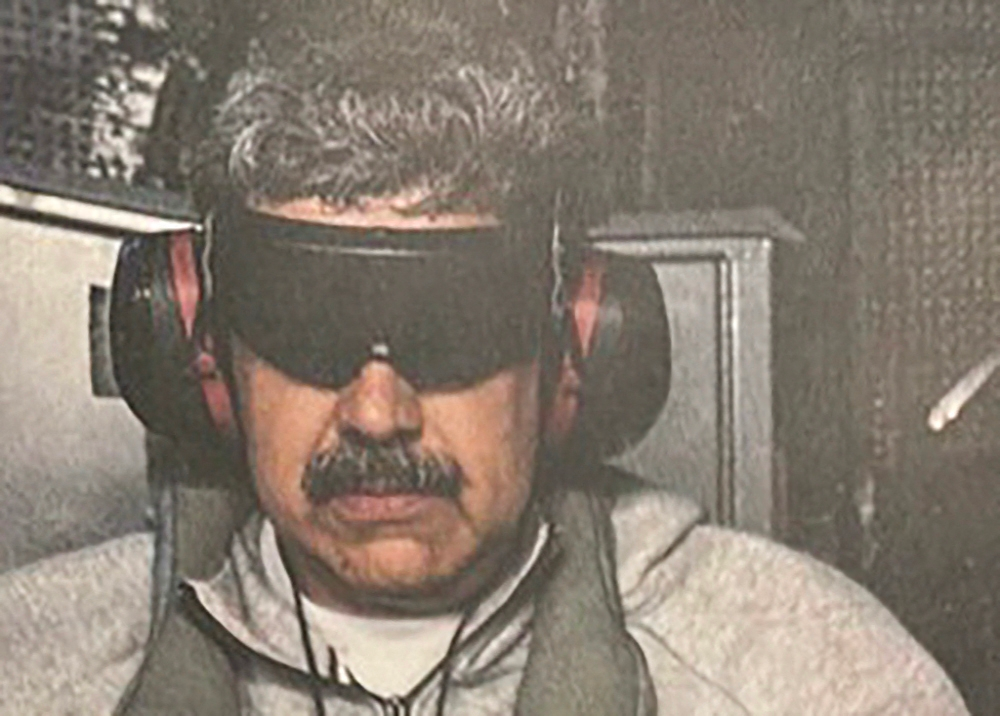
In an unprecedented escalation of the rapidly unfolding events in Caracas, US President Donald Trump issued a stern warning to Venezuela's interim president, Delcy Rodríguez, threatening her with a "heavy price" that could exceed that paid by her predecessor if she does not fully cooperate with the US administration. This direct threat comes in the wake of a US special forces operation that resulted in the capture of President Nicolás Maduro and his wife, placing the country at a critical historical juncture.
The difficult choice: cooperation or an uncertain fate
In an exclusive telephone interview with the American magazine "The Atlantic," Trump stated unequivocally: "Unless you do the right thing, you will pay a very heavy price, perhaps even more than Maduro." These remarks indicate that Washington will not tolerate any attempt to obstruct its plans in Venezuela, presenting the interim leadership with only two options: either comply with American demands or face dire consequences.
The statements were not limited to threats; senior US officials, including Secretary of State Marco Rubio, hinted at the possibility of opening channels of cooperation with the remaining officials of the Maduro regime, but on the crucial condition of taking "the right steps." Foremost among these steps is allowing US companies access to and exploitation of Venezuela's vast oil reserves, the largest in the world, reflecting the strategic economic dimension of the US move.
Transitional phase under American tutelage
In a striking shift from his previous policy of criticizing "nation-building" and regime change, Trump asserted that the United States would effectively take over the administration of Venezuela during a transitional period. The US president justified this radical change by describing the situation in Venezuela as "hell," indicating that the country had reached a state of catastrophic failure on all fronts, making "reconstruction" and regime change a better option than maintaining the status quo.
This trend reflects Washington’s desire to reshape the political and economic landscape in the Latin American country, to ensure stability that serves American interests in the Western Hemisphere, and to end years of hostility and tension with the socialist regime in Caracas.
Context of the crisis and its regional repercussions
These developments cannot be separated from the historical context of the Venezuelan crisis. The country has been suffering for years from economic collapse, hyperinflation, and severe shortages of food and medicine, leading to the displacement of millions. Observers believe that direct US intervention and the arrest of Maduro could shift the balance of power across Latin America, potentially diminishing the influence of international powers that rival the United States in the region.
Between Caracas and Greenland: A New Security Doctrine
In a related context reflecting Trump's vision of national security and strategic expansion, the US president reiterated his desire to annex Greenland, a territory belonging to Denmark, deeming it a security imperative. When asked whether the military operation in Venezuela was paving the way for a similar scenario in Greenland, Trump left the door open to speculation, saying, "They'll have to see for themselves. I really don't know," raising questions about the limits of US foreign policy in the coming period.