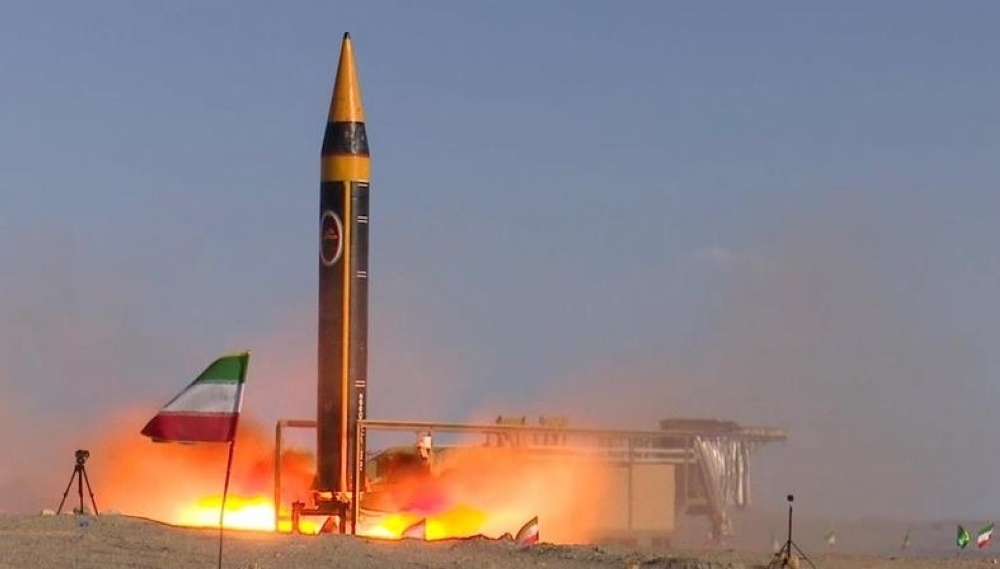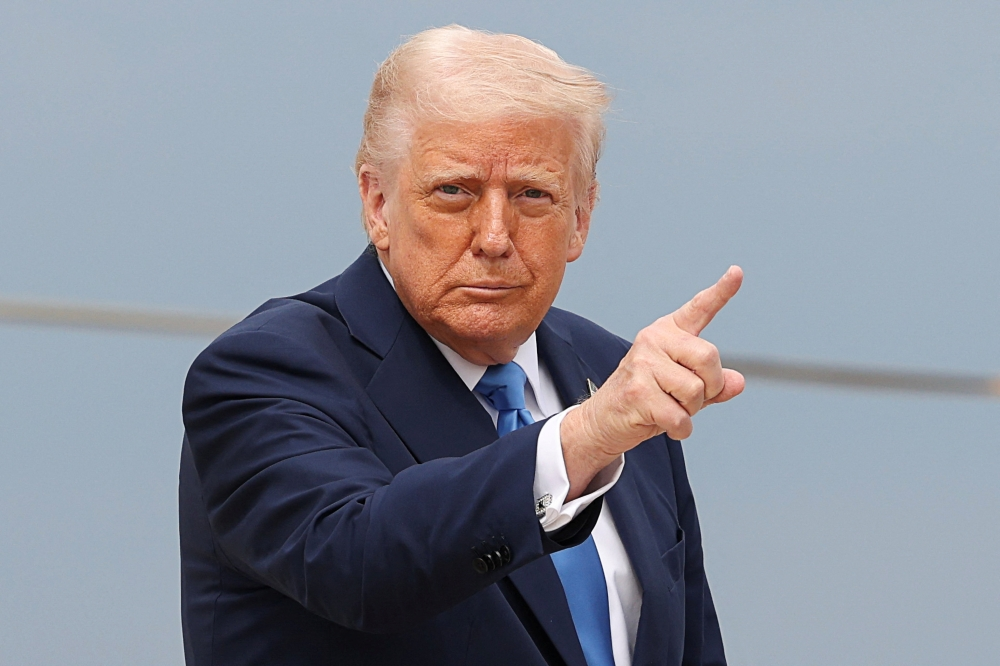
In a dangerous escalation reflecting rising tensions in the Middle East, US President Donald Trump issued a stark warning, threatening a devastating attack on Iran's South Pars gas field. This explicit threat came in the event that Tehran launches further attacks against Qatar's liquefied natural gas facilities. These statements come at a time when global energy markets are experiencing heightened anxiety and uncertainty regarding the stability of supplies.
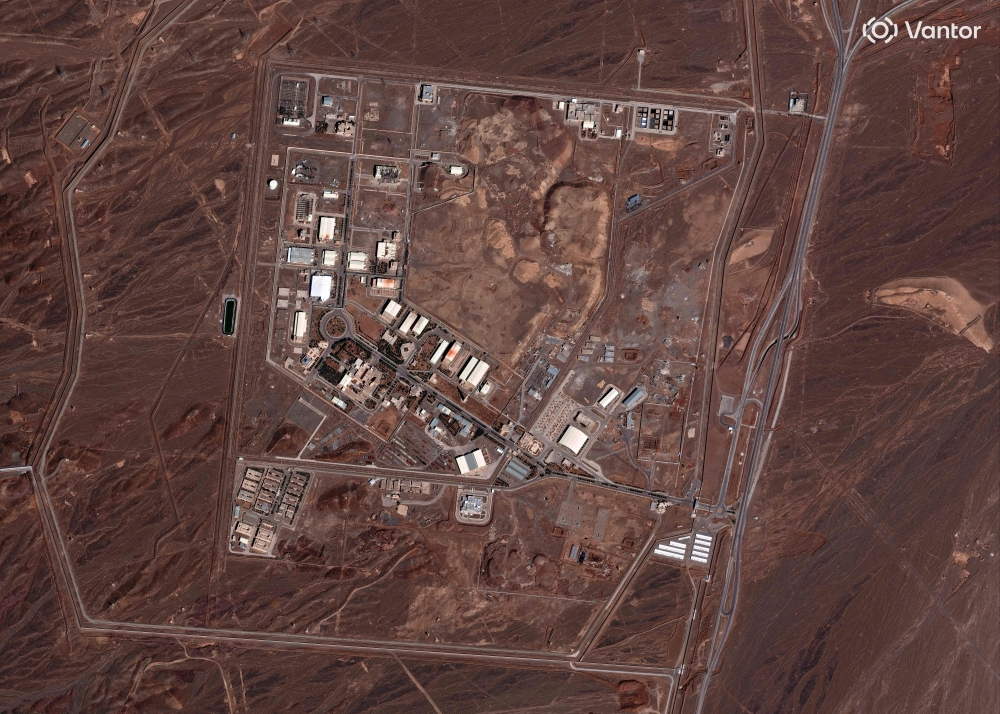
To understand the dimensions of this threat, one must consider the strategic importance of this location. The South Pars gas field, shared by Iran and Qatar (where it is known as the North Field), is the world's largest natural gas field. Historically, this field has been the cornerstone of the Iranian economy and a major source of the country's energy revenue. Any disruption to this vital facility would be a devastating blow to Tehran's energy infrastructure, which explains the sensitivity of the current situation and the mutual threats exchanged between the parties involved.
Trump, via his official Truth Social account, detailed the latest developments, indicating that Israel had indeed bombed parts of the South Pars gas field. The US president confirmed that the United States had “no prior knowledge” of the Israeli attack, which Tehran considered a direct provocation. In response, Iranian forces launched missile attacks targeting gas facilities in the Ras Laffan industrial city in Qatar, leading to an unprecedented escalation in the waters of the Arabian Gulf.
Qatari Defense Ministry: Iranian missile attack targeted the industrial city of #Ras_Laffan , causing damage today.
For more: https://t.co/kZMAEXS9db pic.twitter.com/Yfo7H6nBC6
— Al-Youm Newspaper (@alyaum) March 19, 2026
The repercussions of the destruction of Iran's Pars gas field on global energy security
The threat to target Iran's South Pars gas field has far-reaching consequences beyond Iran's borders, extending to broader regional and international repercussions. Regionally, this escalation risks a full-blown military confrontation that could disrupt shipping in the Strait of Hormuz, a vital artery for oil and gas transport. Internationally, any damage to Qatar's gas facilities in Ras Laffan would inevitably trigger a global energy crisis, given Qatar's status as one of the world's largest exporters of liquefied natural gas (LNG). This would lead to a dramatic surge in energy prices and severely impact major economies reliant on these supplies.
In closing, the US president emphasized that Israel would not launch any further attacks on the vital and highly valuable South Pars gas field unless Iran recklessly attacked an “innocent country,” referring to Qatar. Trump warned in no uncertain terms: “If that happens, the United States, with or without Israel’s help, will unleash a massive attack on the South Pars gas field, the likes of which Iran has never seen before.” This statement has put the entire region on edge, awaiting the political and military developments that will unfold in the coming days.