In a new escalation of the diplomatic crisis surrounding Washington's Arctic ambitions, US President Donald Trump announced on Friday his intention to use tariffs as leverage against countries that oppose his plan to extend US control over Greenland. This threat adds a new chapter to the tensions with Denmark, the island's home country and a NATO ally.
Customs duties are a new pressure tactic
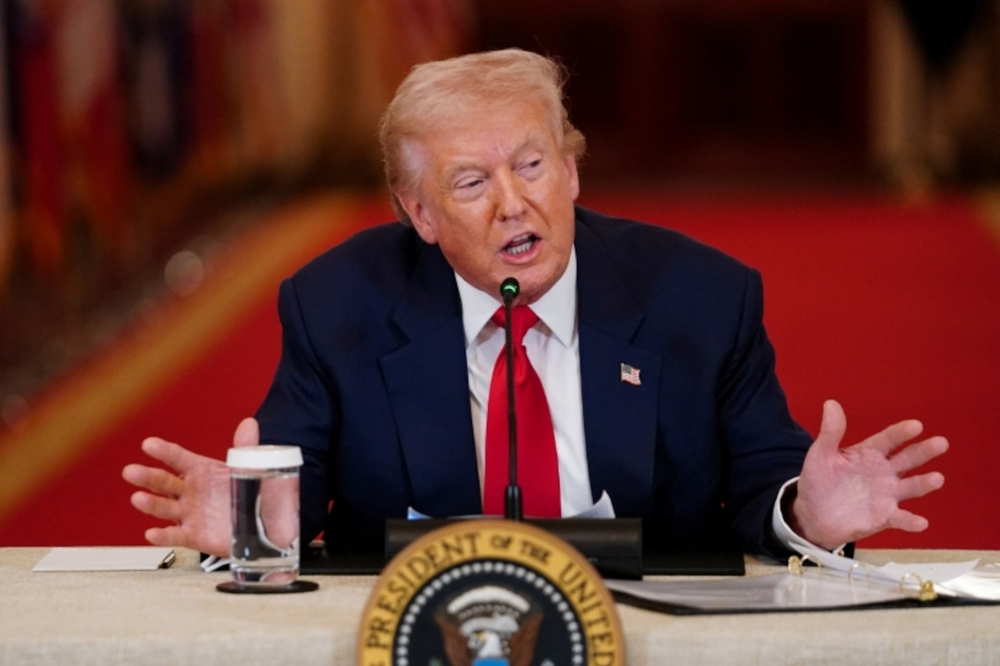
During a meeting at the White House dedicated to discussing healthcare, Trump directly linked trade and national security in the Greenland issue. He stated, "I may impose tariffs on countries if they don't support our plan for Greenland, because we need it for national security purposes," adding firmly, "I may do that." The US president likened these potential measures to those he had previously threatened against France and Germany regarding pharmaceutical prices, indicating his willingness to use American economic power to achieve geopolitical gains.
Strategic importance: Why Greenland?
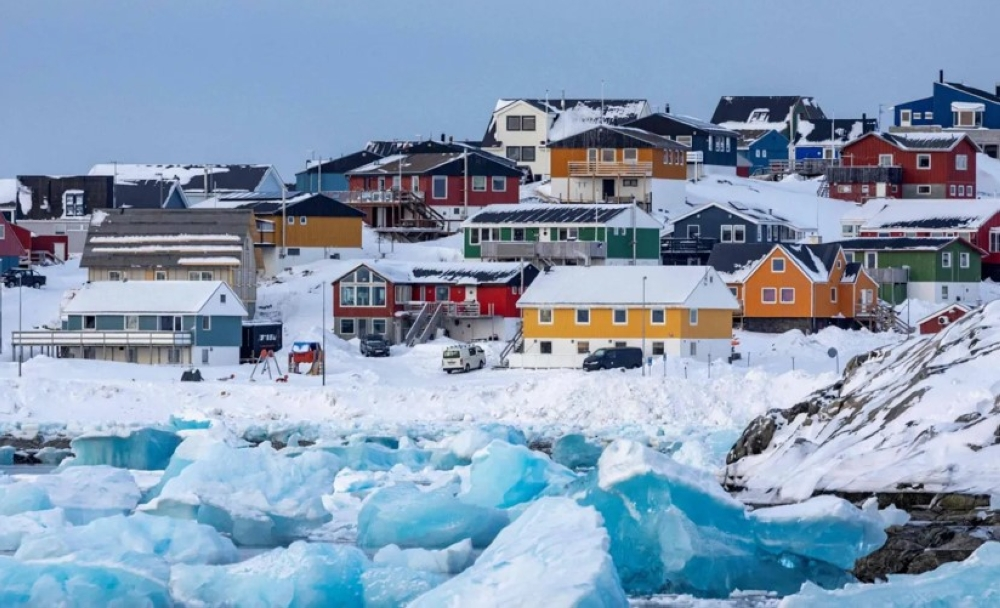
The United States' interest in Greenland is not merely a fleeting expansionist desire, but is based on significant geopolitical and economic realities. The island occupies a vital strategic location between North America and Europe and is home to Thule Air Base, a cornerstone of the US missile early warning and space surveillance system. As Arctic ice melts, new shipping lanes open and opportunities for resource exploration increase, making the island a crucial counterweight to the growing influence of both Russia and China in the Arctic region.
Mineral wealth and the struggle of great powers
In addition to its military importance, Greenland boasts vast reserves of rare earth minerals, essential for advanced technology industries ranging from smartphones to missile guidance systems. Washington seeks to break China's dominance of the rare earth market by securing alternative sources, which explains Trump's insistence that control of the island is vital for both economic and military national security.
Historical background: This is not the first attempt
It is worth noting that the idea of the United States purchasing Greenland is not new to Trump. In 1946, President Harry Truman offered Denmark $100 million in gold to buy the island, given its strategic importance during World War II. Although the offer was rejected at the time, defense agreements allowed the United States to maintain a military presence there—a situation Trump seeks to change toward a more comprehensive control.
Diplomatic moves and reactions
Faced with this pressure, European countries showed broad solidarity with Denmark and Greenland, with some expressing their willingness to bolster their military presence in the territory. On the diplomatic front, a delegation from the US Congress visited Copenhagen to defuse tensions and demonstrate support for the allies. Despite the Danish and Greenlandic foreign ministers acknowledging a "fundamental disagreement" with Trump following their visit to the White House, the parties agreed to form a joint "working group" to continue the dialogue, in an effort to defuse the crisis and prevent a rift within NATO.