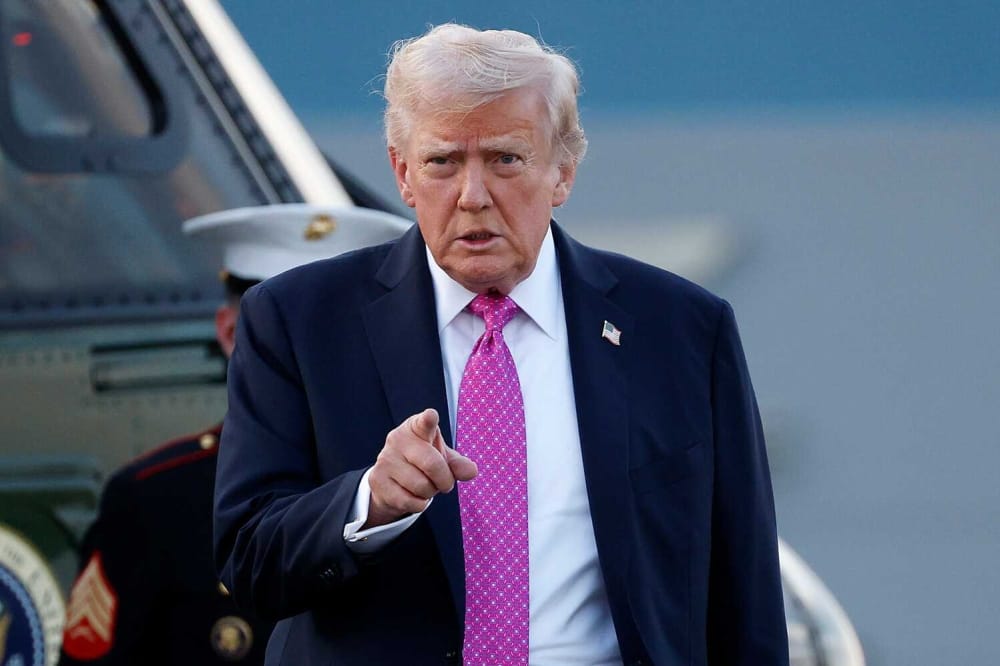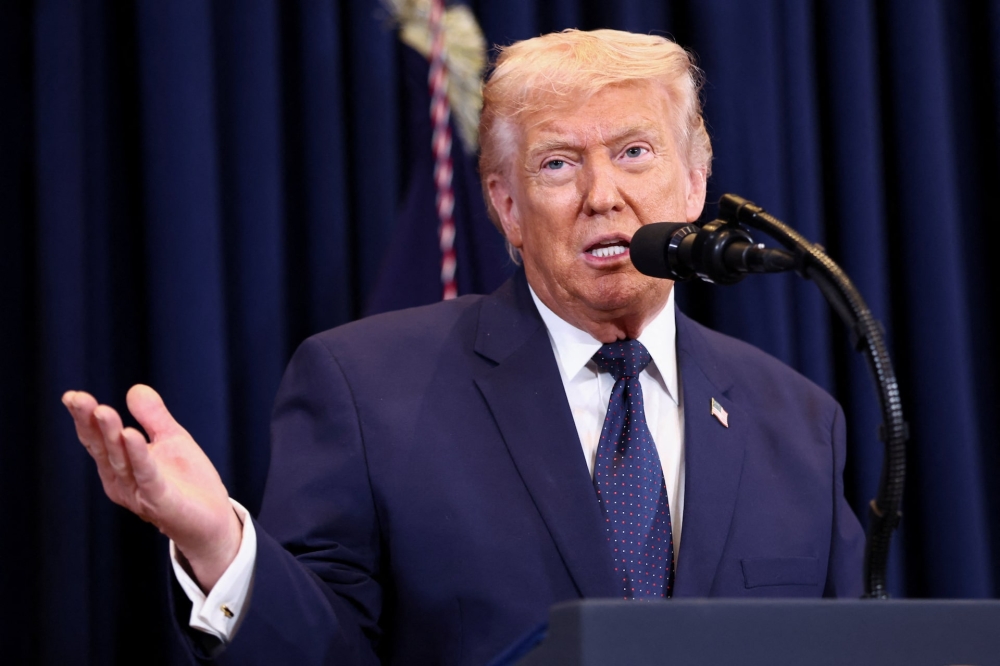
US President Donald Trump announced a decisive decision to postpone military strikes targeting Iranian power plants for five days, a move that puts the Middle East on edge. Trump gave Tehran a stern 48-hour ultimatum to fully reopen the Strait of Hormuz to international shipping, threatening to destroy its energy infrastructure if it failed to comply. Writing on his official Truth Social account, Trump warned: “If Iran does not fully open the Strait of Hormuz, without any threat, within 48 hours, the United States will strike and destroy all of Iran’s power plants, starting with the largest!”
The historical context of tensions surrounding Iranian power plants and the Strait of Hormuz
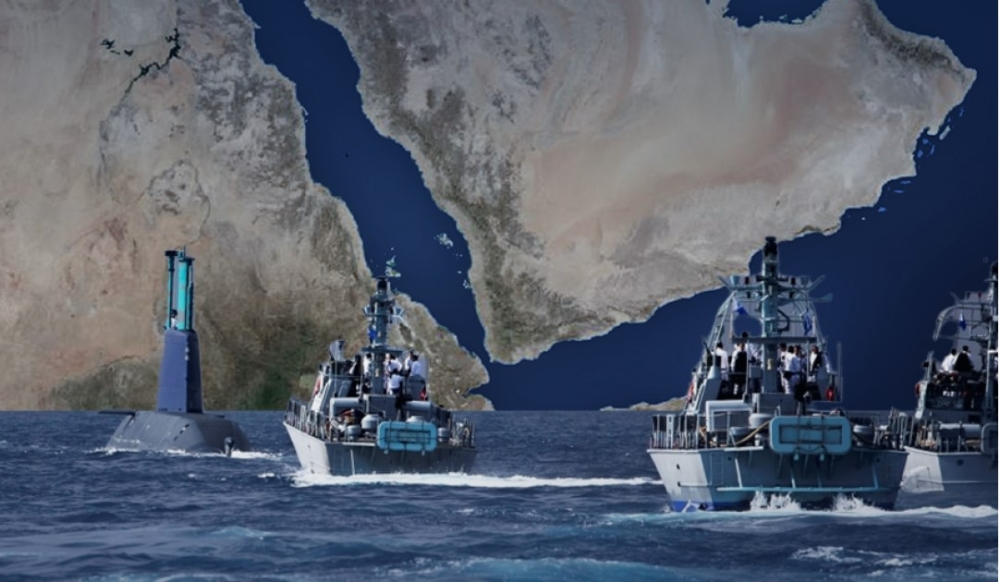
To understand the dimensions of this escalation, one must consider the immense strategic importance of the Strait of Hormuz, one of the world's most vital waterways. Approximately one-fifth of the world's daily oil consumption passes through this narrow strait, making it a crucial artery for the global economy. Historically, Tehran has used the threat of closing the strait as a political and military bargaining chip in the face of international sanctions and US pressure. The roots of these tensions stretch back decades, specifically to the "Tanker War" of the 1980s during the Iran-Iraq War, when the United States consistently sought to ensure freedom of navigation in this vital waterway. The threat to target Iranian power plants reflects a shift toward a strategy of hard deterrence, with Washington aiming to cripple Tehran's critical capabilities should it attempt to strangle the global economy by closing the strait.
Regional and international repercussions of targeting energy infrastructure
Any military strikes against Iranian infrastructure would have far-reaching consequences beyond Iran's borders. Domestically, the destruction of power plants and energy facilities would paralyze vital sectors within Iran, exacerbating the country's already dire economic and living conditions. Regionally, such an escalation could ignite a full-blown military confrontation in the Middle East, as Tehran might activate its network of allies in the region to retaliate against US interests or target Washington's allies, thus threatening the security and stability of neighboring countries.
Expected impact on the global economy and oil markets
Internationally, the impact of this event on global markets cannot be underestimated. The mere threat of closing the Strait of Hormuz or the outbreak of direct military conflict immediately leads to sharp fluctuations in global oil prices. If matters escalate into actual strikes, energy prices could reach unprecedented record highs, negatively impacting global inflation rates and hindering international economic growth. Trump's "maximum pressure" policy presents the international community with a significant challenge to avert an economic and security catastrophe, making the coming hours crucial in determining the course of international relations in one of the world's most sensitive regions.