Former US President Donald Trump issued an unprecedented warning to authorities in Tehran, giving Iran a 48-hour deadline to fully reopen the Strait of Hormuz to international maritime traffic. Trump threatened that if this demand was not met, the United States would launch devastating military strikes targeting Iran's energy infrastructure. This escalation came in a post Trump published on his social media platform, Truth Social, where he wrote: "If Iran does not fully and unhindered open the Strait of Hormuz within 48 hours, the United States will strike and destroy all of its energy facilities, starting with the largest!"
The strategic importance of the Strait of Hormuz
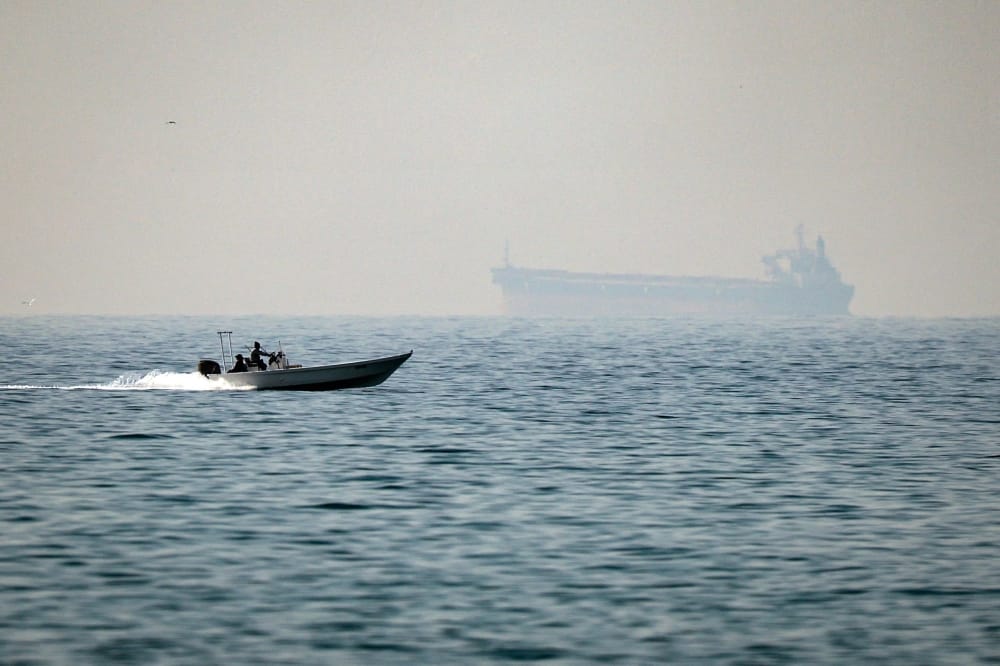
The Strait of Hormuz is one of the world's most important and vital waterways, connecting the Persian Gulf, the Gulf of Oman, and the Arabian Sea. Historically, this strait has been an indispensable strategic chokepoint for global energy supplies, with approximately one-fifth of the world's daily crude oil consumption passing through it, in addition to vast quantities of liquefied natural gas. Tehran has long used its geographical location overlooking this waterway as a political and military bargaining chip in the face of international sanctions and tensions with Western countries, particularly the United States. In numerous past crises, Iran has threatened to close the strait in response to any military or economic actions targeting it, making any escalation in this sensitive region a harbinger of a major global crisis.
The economic and political repercussions of the maritime crisis
The mutual threats surrounding the closure or securing of navigation in this region have repercussions not only on a local or regional level, but also on the entire global economy. Regionally, the Gulf Arab states rely almost entirely on this waterway to export their oil production to Asian and European markets, and any disruption to shipping would paralyze the region's economic lifeline. Internationally, the mere threat of closing the waterway immediately leads to sharp increases in global oil prices, further burdening major economies already struggling with inflation.
Escalation scenarios and their impact on the stability of the Middle East
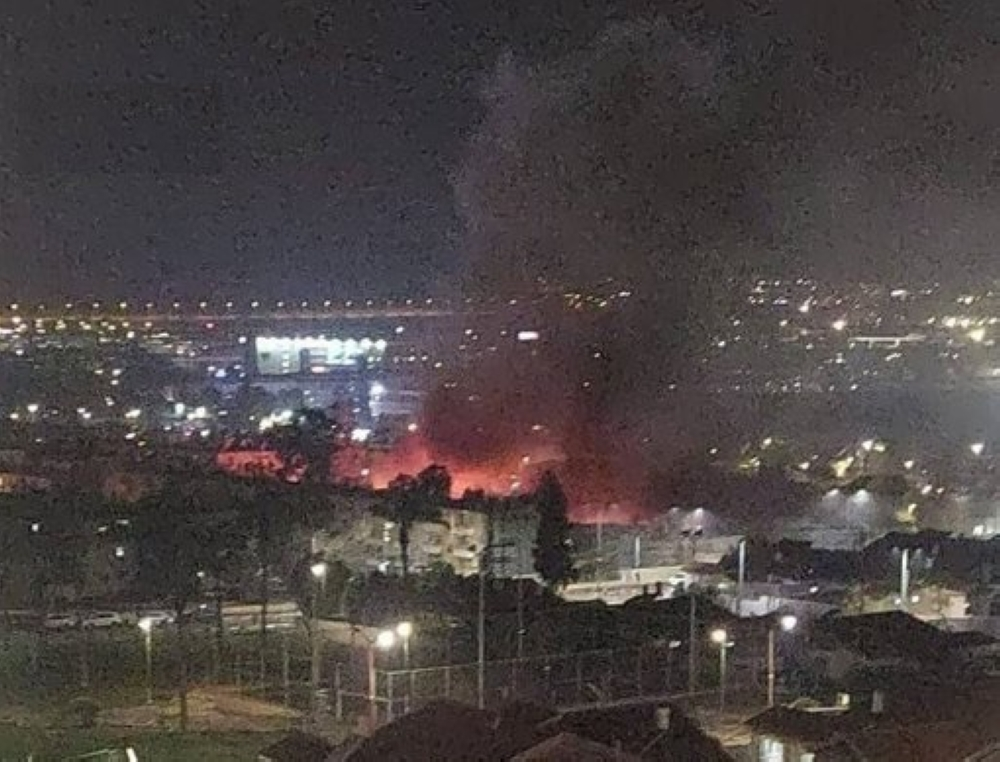
If threats to target Iranian power plants are carried out, the region could slide into a full-blown, open military conflict. Targeting Iran's energy infrastructure would likely provoke retaliatory attacks against US interests and those of its allies in the Middle East. The history of conflicts in the region demonstrates that the security of waterways is a red line for the international community, and therefore, the Combined Maritime Forces and the US Fifth Fleet, based in Bahrain, are working to maintain freedom of navigation and deter any attempts to destabilize the region. This escalating tension presents international diplomacy with a difficult test: preventing a further deterioration of the security situation and ensuring the continued flow of energy supplies upon which the entire world depends.