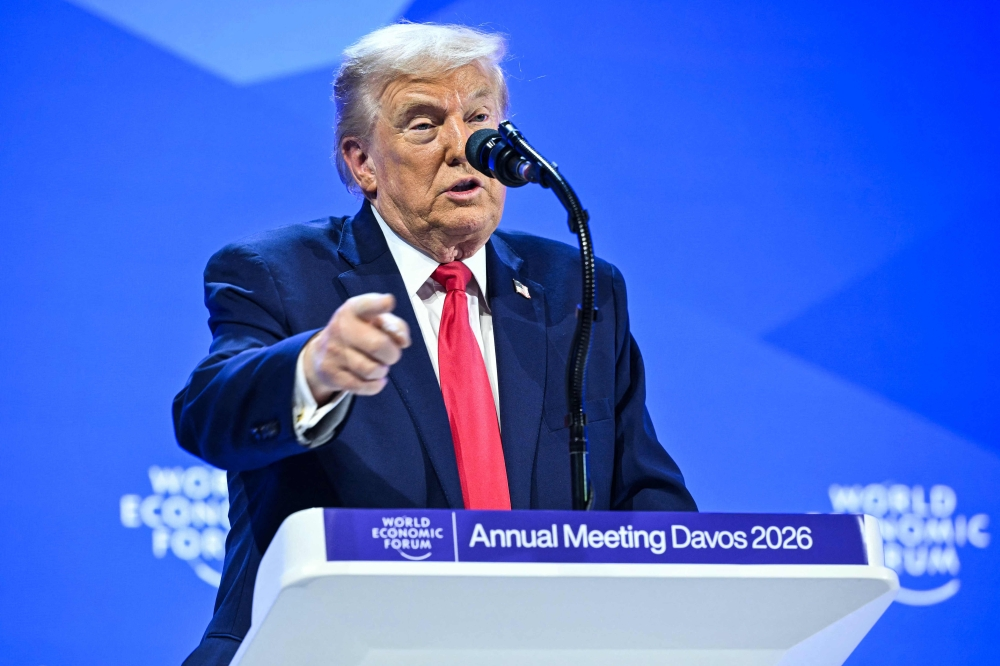
In a surprise move that could reignite trade tensions between Washington and its allies, former US President Donald Trump announced his intention to impose punitive tariffs of 25% on a range of goods imported from South Korea. The announcement came in a post on his Truth Social social media platform on Monday, where Trump strongly criticized what he called Seoul's "failure" to implement a trade agreement signed with his administration.
Trump wrote in his post: “Since the Korean parliament has not yet ratified our historic trade agreement, which is within its power, I am announcing an increase in tariffs on South Korean automobiles, lumber, and pharmaceuticals, and all other reciprocal tariffs, from 15% to 25%.” This announcement reflects the continuation of Trump’s “America First” policy, which has relied heavily on using tariffs as a tool of leverage in international trade negotiations.
Background of the trade agreement between the two countries
The modern trade relationship between the United States and South Korea has its roots in the Korea Free Trade Agreement (KORUS FTA), which went into effect in 2012. However, Trump deemed the agreement “unfair” and “disastrous” for American workers, claiming it contributed to the growing US trade deficit with Seoul. Consequently, his administration pushed for renegotiation of the agreement, which was achieved when the two countries signed a revised version in September 2018. The amendments primarily aimed to give American products, particularly automobiles, better access to the Korean market, while extending US tariffs on Korean light trucks.
Potential economic and geopolitical impacts
If this threat is carried out, it is expected to have significant economic repercussions for South Korea, whose economy is heavily reliant on exports. The United States is a major market for its products, particularly in the automotive sector, led by companies like Hyundai and Kia, as well as in the pharmaceutical and electronics sectors. Imposing a 25% tariff would inevitably lead to higher prices for these products for American consumers, reducing their competitiveness and potentially harming the profits of Korean companies and global supply chains.
Geopolitically, this escalation comes at a sensitive time. The relationship between Washington and Seoul is not merely economic; it is a cornerstone of US security strategy in East Asia, particularly in the face of persistent threats from North Korea and growing Chinese influence. Instigating a trade dispute could strain the security alliance between the two countries and weaken their united front on critical regional issues. Observers view this move as an indication that the trade policy of a potential Trump administration might see a return to protectionist measures and pressure on allies, creating uncertainty in the global trading system.