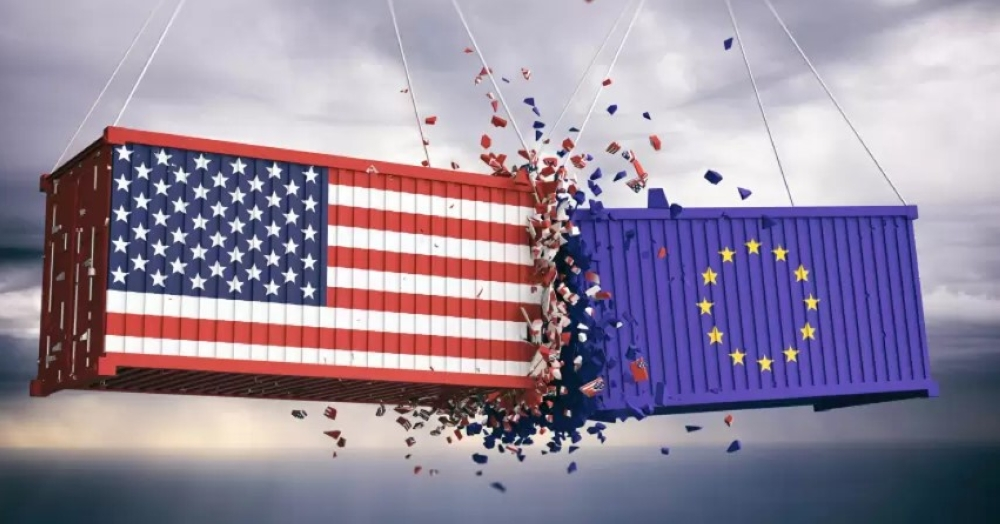
A sense of unease and uncertainty has returned to German industry , the main engine of the European economy, after a brief respite following previous trade agreements between the United States and the European Union. This new setback stems from direct threats by the US president to impose punitive tariffs, a sudden escalation that observers have linked to the Greenland dispute.
Background of the trade conflict and its impact
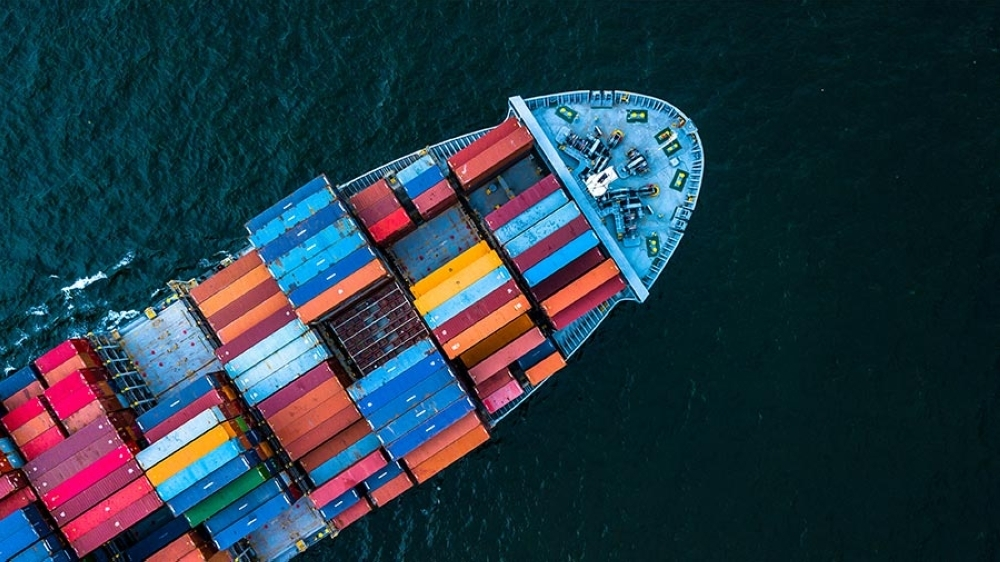
This event cannot be understood in isolation from the historical context of transatlantic trade relations, where German exports, particularly automobiles and machinery, have long been targets of US protectionist policies. These developments are exceptionally serious given that the German economy is fundamentally export-oriented, making it highly sensitive to any tariff changes by its major trading partners, especially the United States.
By targeting the industrial sector, the entire German export model is shaken to its core. This comes at a particularly critical time, as GDP has seen only a very slight improvement of 0.2% in 2025, following two harsh years of economic recession. In this context, Carsten Brzezki, an economist at ING, warned of the repercussions of this decision, describing the new tariffs as "poison for Germany," and indicating that they will undermine the "fragile recovery" that Berlin had been counting on.
Growth forecasts are in jeopardy
The German government had been counting on an accelerated growth rate of 1.3% this year, fueled by massive public spending packages aimed at modernizing infrastructure and strengthening defense capabilities. However, these optimistic projections were made before the US president overturned them by threatening to impose additional tariffs, starting at 10%, on imports from eight countries, including Germany, effective February 1st, with promises to escalate them to 25% by June. This was a tool of political and economic pressure stemming from his efforts to control the Danish island of Greenland.
Shock in the corporate and machinery sector
This news has sparked angry and concerned reactions in industry. The president of the German Machine Tool Manufacturers' Association (VDW) bitterly questioned how to cope with this new reality, especially since this vital sector is already reeling from previous 50% US tariffs on steel and aluminum. He pointed to the enormous logistical challenges, asking, "How can we prepare for this with machines that already have six-month lead times?"—a clear indication that it is impossible to amend contracts and supply chains in the short term.
For its part, the Association of Small and Medium-Sized Enterprises (DMB), which forms the true backbone of German industry (Mittelstand), considered the recent threats to be "a very serious indicator." These additional pressures come at a time when German companies are still suffering from the repercussions of rising energy and raw material prices due to the ongoing fallout from the Russian-Ukrainian war, placing German industry before an existential test that could redraw the economic map of Europe.