In a surprising economic turn of events, the United Kingdom, one of Washington's closest allies, faces significant economic losses following a US court ruling that overturned the preferential tariff system imposed by the administration of former President Donald Trump. This decision not only puts Britain in a difficult position but also highlights an unexpected outcome of the trade war initiated by Washington, with China and Brazil emerging as the biggest beneficiaries of this shift.
Historical background: “America First” policy and tariffs
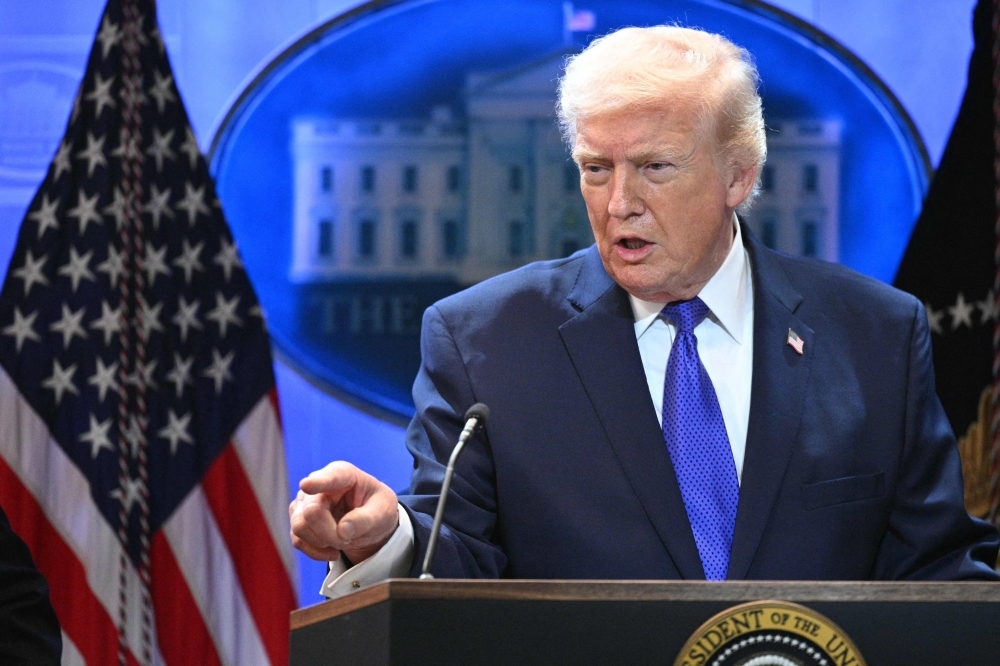
The story began in 2018 when the Trump administration, under the banner of “America First,” imposed steep tariffs on steel and aluminum imports under Section 232 of the Trade Expansion Act of 1962, citing national security concerns. This move sparked global trade tensions, as the tariffs affected even US allies in Europe and Asia. In an effort to mitigate the impact, several countries, including the UK, entered into negotiations with Washington, resulting in special agreements that granted them preferential treatment. The UK, for example, received a reduced tariff rate of 10%, giving its exports a competitive advantage in the US market compared to countries that did not receive exemptions.
Repercussions of the court ruling: Britain is the most affected
The recent US Supreme Court ruling has effectively nullified this complex system of exceptions and bilateral agreements, reimposing a uniform tariff across all countries. According to analysts, tariffs on British exports will rise to 15%, eliminating the preferential advantage they previously enjoyed. This shift means British companies will now face higher costs, weakening their competitiveness in one of their largest markets.
According to estimates by the Council of British Chambers of Commerce, this increase is expected to raise the cost of British exports to the United States by approximately £3 billion (US$4 billion) , negatively impacting nearly 40,000 British companies that rely on trade with America. Sam Lowe, a trade expert at the consultancy Flint Global, confirms that the uncertainty created by this decision poses a significant challenge for companies that based their plans on preferential tariffs.
China and Brazil: Winners of the Allied War
The great irony is that the countries directly targeted by Trump's trade policies, such as China, are now the ones who will benefit. With the standardization of tariffs, allied countries lose their competitive advantage, making products from countries like China, Brazil, and India relatively more attractive.
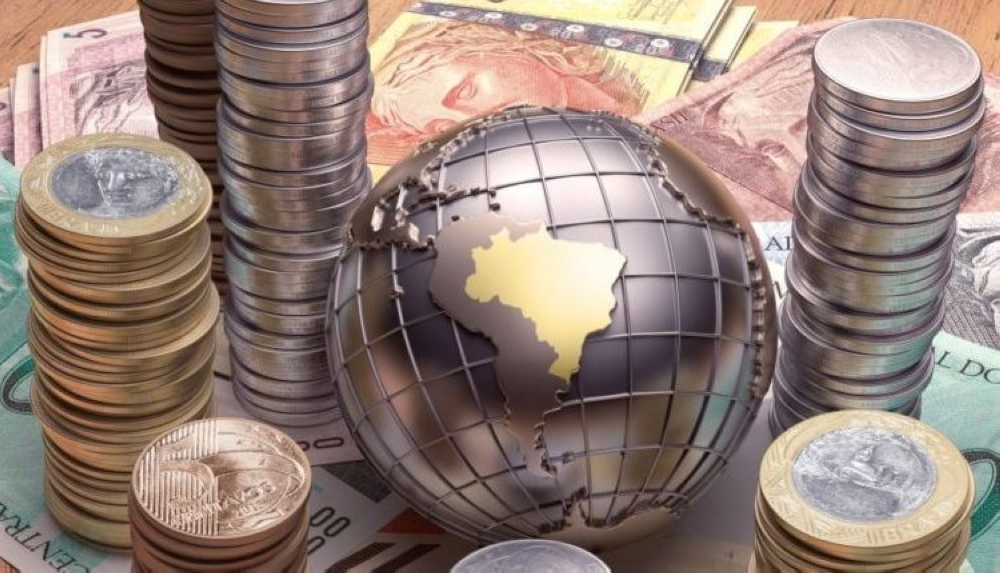
A study by the Global Trade Initiative revealed that Brazil tops the list of beneficiaries, seeing the largest reduction in average tariffs at 13.6 percentage points, followed by China with a 7.1 percentage point decrease. This means that products from these countries will face fewer tariff barriers compared to their European competitors, boosting their market share in the US at the expense of Washington's traditional allies.
Diplomatic efforts and an uncertain future
Faced with these potential losses, the British government is intensifying its diplomatic efforts to persuade the current US administration to exempt the UK from the higher tariffs. Education Secretary Bridget Philipson told Sky News that talks are underway “at the highest levels” to ensure British national interests are protected. However, the economic outlook remains uncertain, and this development illustrates how protectionist policies can backfire, harming allies and giving an advantage to strategic competitors.