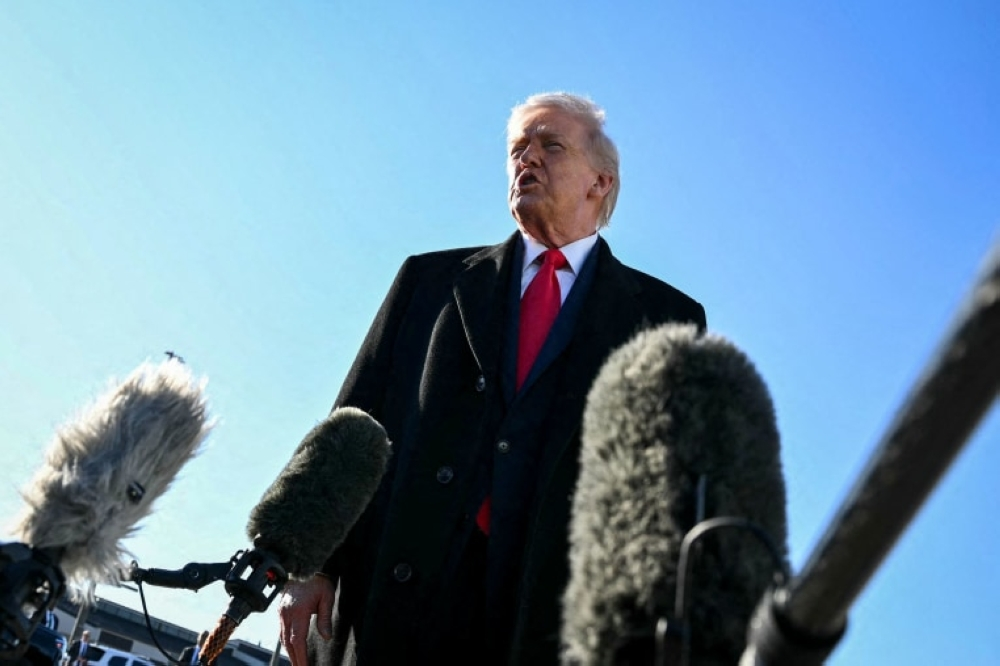
Former US President Donald Trump announced that he will make a decision soon regarding the possibility of sending more weapons to Taiwan, a statement that comes amid escalating tensions between Washington and Beijing. Trump indicated that he discussed the matter with his Chinese counterpart, Xi Jinping, saying, “I’m talking to him about it. We had a good conversation, and we’ll be making a decision very soon.”.
A complex historical background to US-Taiwanese relations
The relationship between the United States and Taiwan rests on a complex historical and legal foundation. Following the end of the Chinese Civil War in 1949 and the flight of the Kuomintang government to Taiwan, Washington committed to providing military support to Taipei. Although the United States transferred its formal diplomatic recognition from Taipei to Beijing in 1979, it has maintained strong unofficial ties with Taiwan under the Taiwan Relations Act. This Act obligates Washington to provide the island with the means necessary for its self-defense, which China considers interference in its internal affairs and a violation of its "One China" policy, which affirms that Taiwan is an integral part of its territory.
Strategic importance and potential repercussions
Any US arms deal with Taiwan carries significant strategic importance on several levels. Domestically , these deals bolster Taiwan’s defense capabilities and boost morale in the face of growing Chinese military threats. Regionally , US support for Taiwan is seen as a measure of Washington’s commitment to the security of its Indo-Pacific allies, such as Japan and South Korea. Any erosion of this support could alarm these countries and affect the regional balance of power. Internationally , the Taiwan issue is one of the most sensitive points of contention in US-China relations. Beijing often responds to arms sales with diplomatic and economic measures, as well as intensifying its military exercises around the island, increasing the risk of an unintended confrontation.
Chinese warnings and military maneuvers
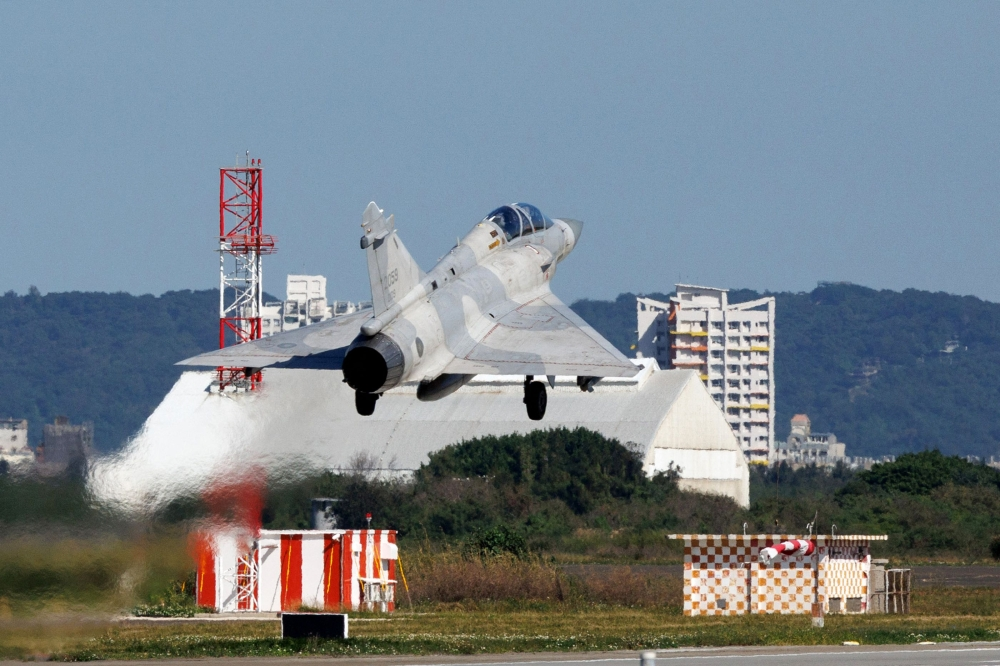
Chinese President Xi Jinping had previously warned Trump in a phone call against proceeding with the arms sale, emphasizing that “the Taiwan issue is the most important and sensitive in Sino-US relations.” Beijing is taking a firm stance on this issue, having already responded to Taipei’s announcement of Washington’s approval of an $11 billion arms deal by conducting large-scale live-fire military exercises simulating a blockade of Taiwan’s main ports. Therefore, Trump’s anticipated decision will not only determine the future of Taiwan’s defense capabilities but will also shape the course of relations between the world’s two largest economies in the coming years.