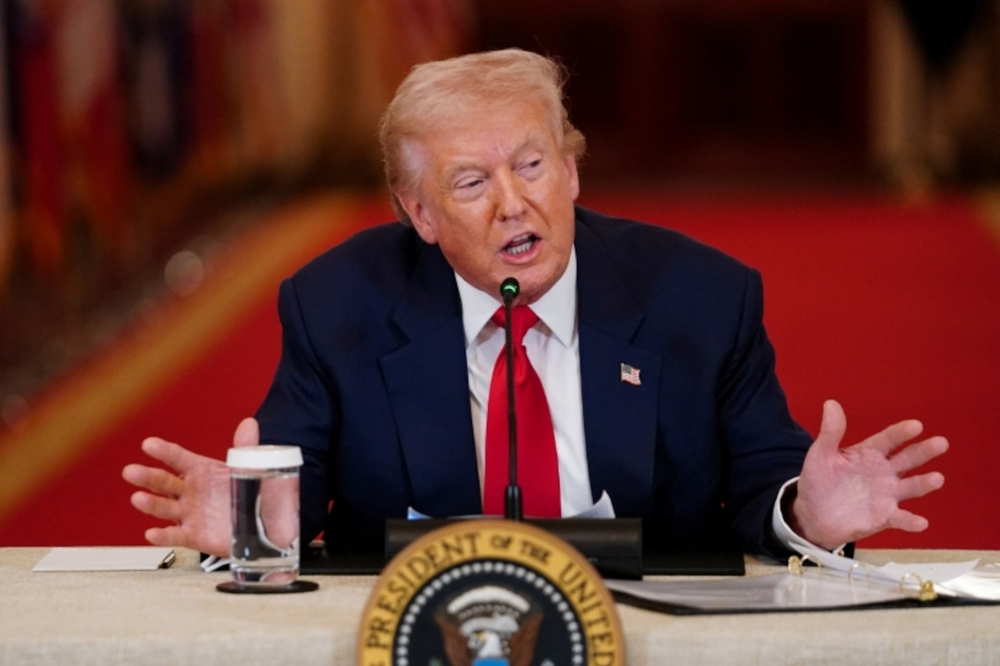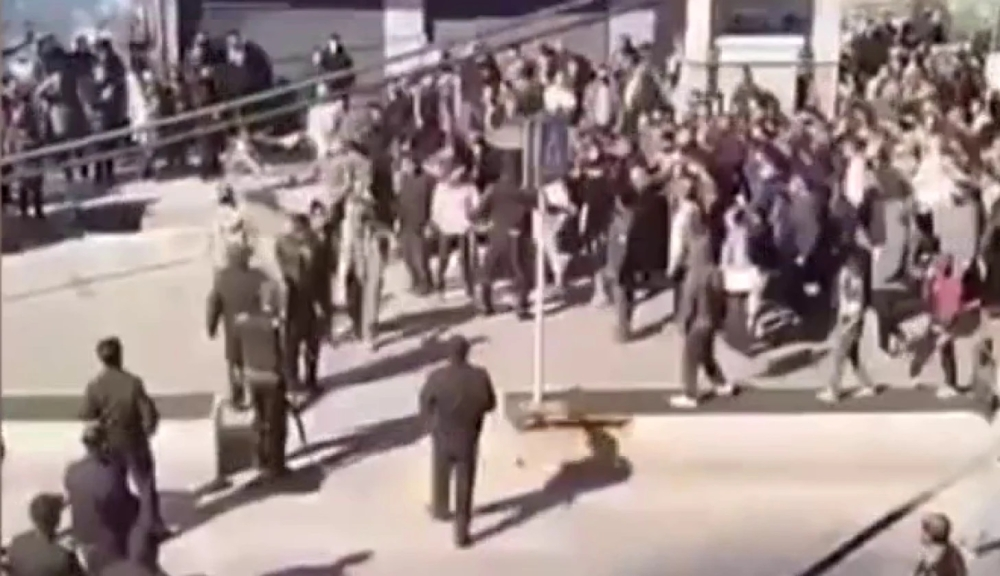
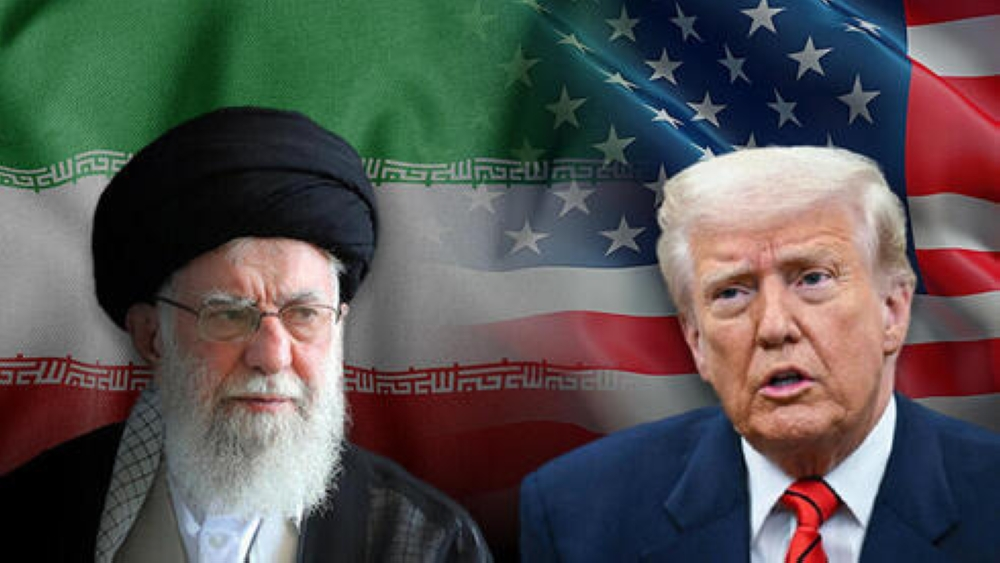
Donald Trump addressed a direct and firm message to the Iranian people, asserting that "help is on its way" and urging them to continue their popular movement and protests against the ruling authorities. These statements come at a time when Iran a wave of violent repression of protests, resulting in thousands of casualties according to international human rights reports.
Trump's messages and economic pressure
Trump encouraged Iranian protesters on Tuesday to continue their movement to overthrow the regime, writing on his Truth Social platform: "Iranian patriots, keep protesting, take control of your institutions. I have cancelled all meetings with Iranian officials until the senseless killing of protesters stops."
The US president did not limit himself to political statements, but moved to direct economic action, announcing harsh tariffs on Iran's trading partners, imposing a 25% duty effective immediately. This decision aims to tighten the economic noose around Tehran, attempting to cut off the financial lifeline upon which the regime depends.
On the military front, Trump has repeatedly threatened intervention in Iran in response to the killing of protesters. The White House confirmed on Monday that the possibility of airstrikes to end the crackdown remains "on the table," while emphasizing that diplomacy remains the preferred option.
Context of conflict and strained relations
These developments are particularly significant given the long history of hostility between Washington and Tehran since the 1979 Islamic Revolution. Popular protests in Iran have long been a focal point of US foreign policy, with Washington viewing them as an opportunity to pressure the regime to change its regional behavior and its nuclear program. Trump's harsh rhetoric is reminiscent of his previous "maximum pressure" policy, which aimed to isolate Iran internationally and deprive it of resources.
Alarming figures and brutal repression
On the ground, the Norway-based Iran Human Rights
The organization's director, Mahmoud Amiri, stated: "The figures we publish are based on information received from less than half of the country's provinces and less than 10 percent of Iran's hospitals. The true death toll is likely in the thousands," indicating the scale of the humanitarian disaster unfolding far from the eyes of the world.
Expected regional and international repercussions
These events are expected to have far-reaching repercussions beyond Iran's borders. Regionally, continued unrest could lead to instability in the Middle East, potentially impacting energy markets and global oil prices. Internationally, Trump's decision to impose tariffs on Iran's trading partners presents countries dealing with Tehran with difficult choices, potentially reshaping the map of economic and political alliances in the region and further isolating the Iranian regime.
Digital blackout and fears of execution
In an attempt to control the narrative and prevent the spread of images of the protests, Iranian authorities continued their internet blackout for the sixth consecutive day, leaving the country virtually isolated from the world. Despite this, an AFP journalist in Tehran reported a partial restoration of internet service and poor international phone connectivity.
Human rights concerns are growing that the regime is resorting to "arbitrary executions" and summary trials as a tool of deterrence, with Amnesty International warning that authorities may use the death penalty to crush dissent, a pattern that has been repeated in previous protests faced by the Islamic Republic.