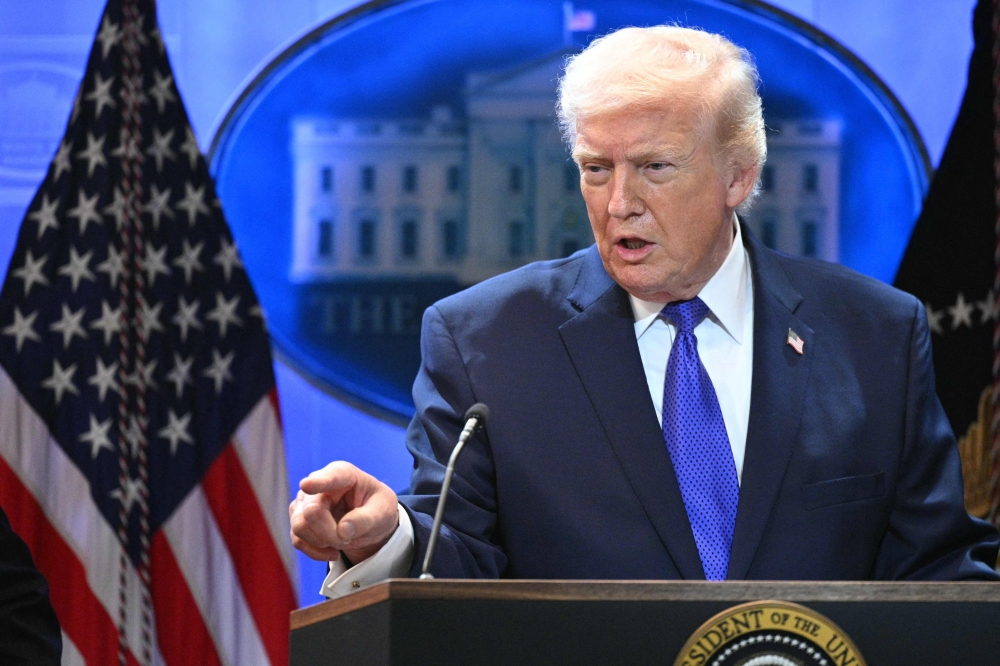
The White House announced on Wednesday that President Donald Trump is currently engaged in a serious and intensive review of America's role in Iran following the conclusion of military operations and the joint US-Israeli attack. White House Press Secretary Caroline Leavitt, responding to reporters' inquiries about the nature of the American presence and influence in the post-war phase, confirmed that the president is discussing these sensitive steps with his senior advisors and national security team to ensure the achievement of strategic objectives.
Historical context and escalating tensions
These developments culminate decades of geopolitical tension between Washington and Tehran, with disagreements over the nuclear program and regional influence at the heart of the conflict in the Middle East. The recent military intervention was not a spontaneous act, but rather the result of long-standing political and security considerations. By examining America's role in Iran at this critical juncture, the White House seeks to avert a security vacuum that could lead to widespread chaos, drawing on lessons learned from past conflicts in the region. This move is seen as an attempt to redraw the political map in a way that neutralizes future threats.
America's role in Iran and the regional and international repercussions
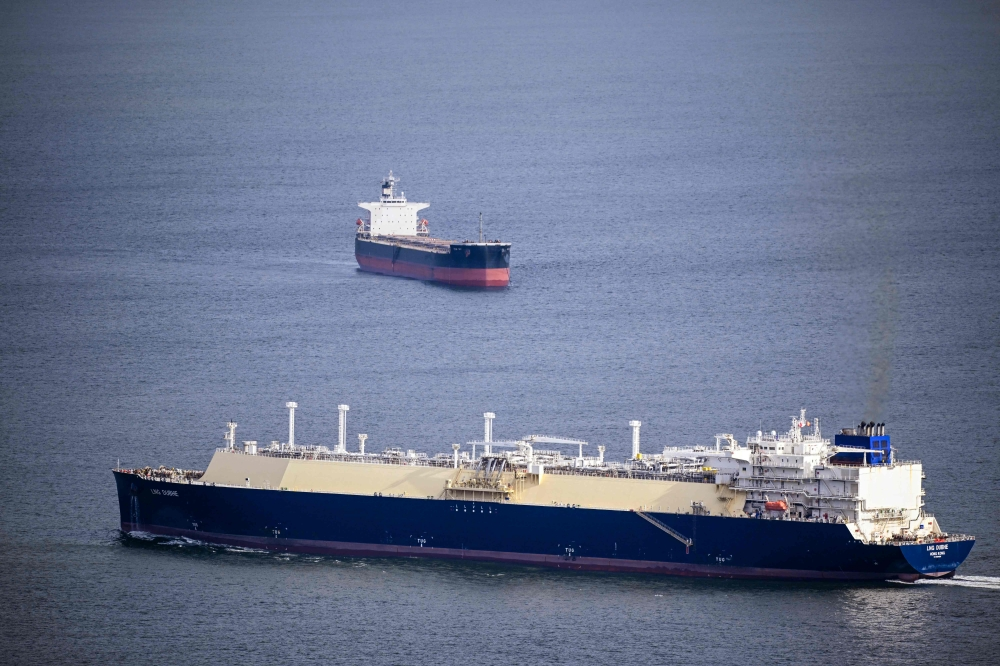
The decisions Trump is considering will have repercussions not only for Iran but also for the entire international and regional landscape. Determining the nature of the American presence, whether through airspace control or oversight of a transitional phase, will directly impact global energy markets and oil prices, given Iran's strategic location in the Strait of Hormuz. Allied countries in the region and international partners are also closely watching the outlines of the new American strategy, as regional stability depends heavily on how Washington manages the Iranian issue after the cessation of direct military operations.
Honoring the victims of the US military
In a related development concerning the human cost of this war, the White House announced that President Trump will personally attend the ceremony to receive the remains of American service members killed since the start of operations. "President Trump intends to attend the ceremony to repatriate and honor the remains of these American heroes and stand in sorrow with their families," said White House Press Secretary Michael Levitt at a press conference. This announcement underscores the administration's commitment to honoring military sacrifices, alongside its political and military planning for the future of the region.