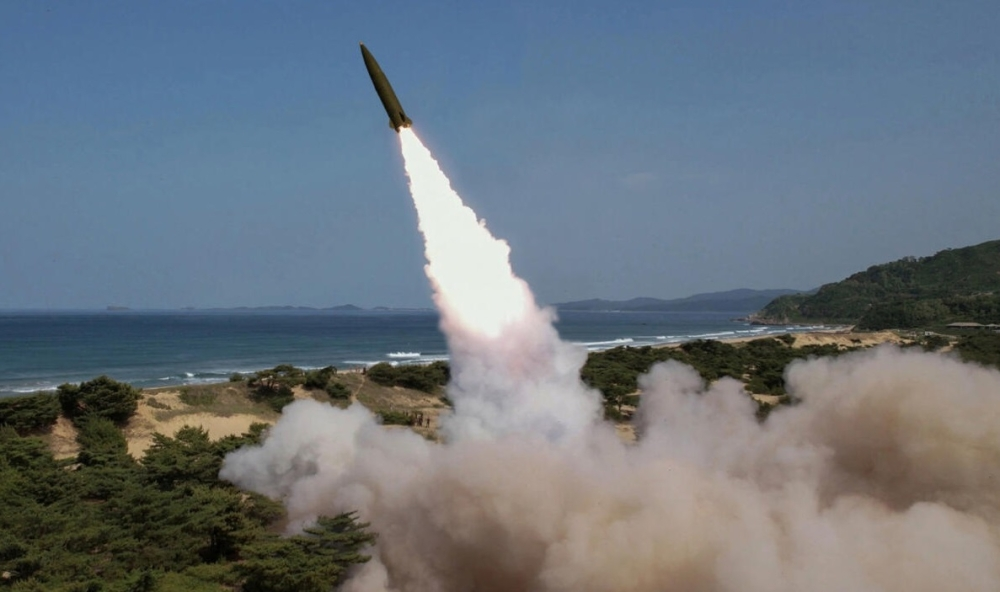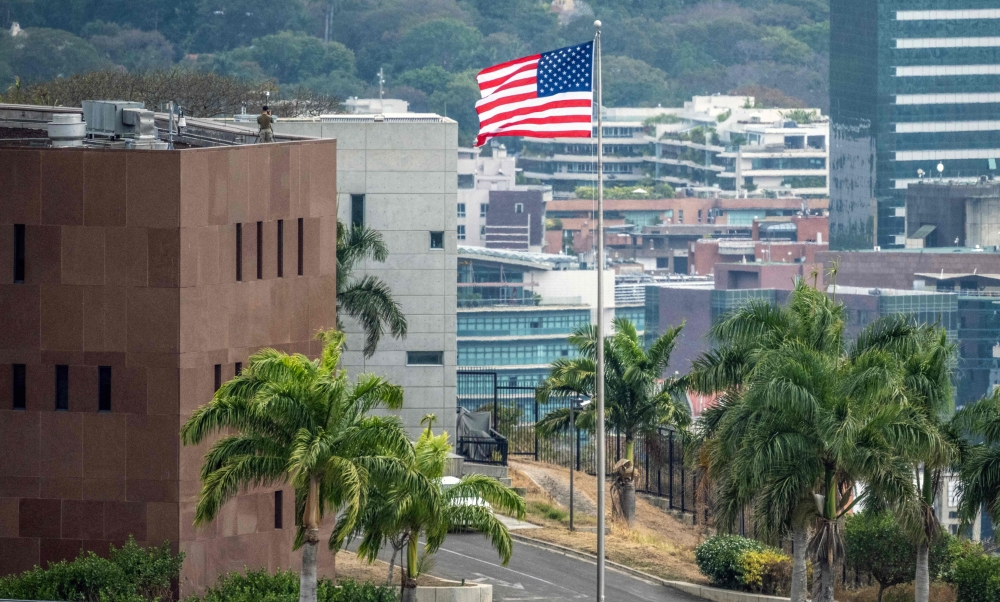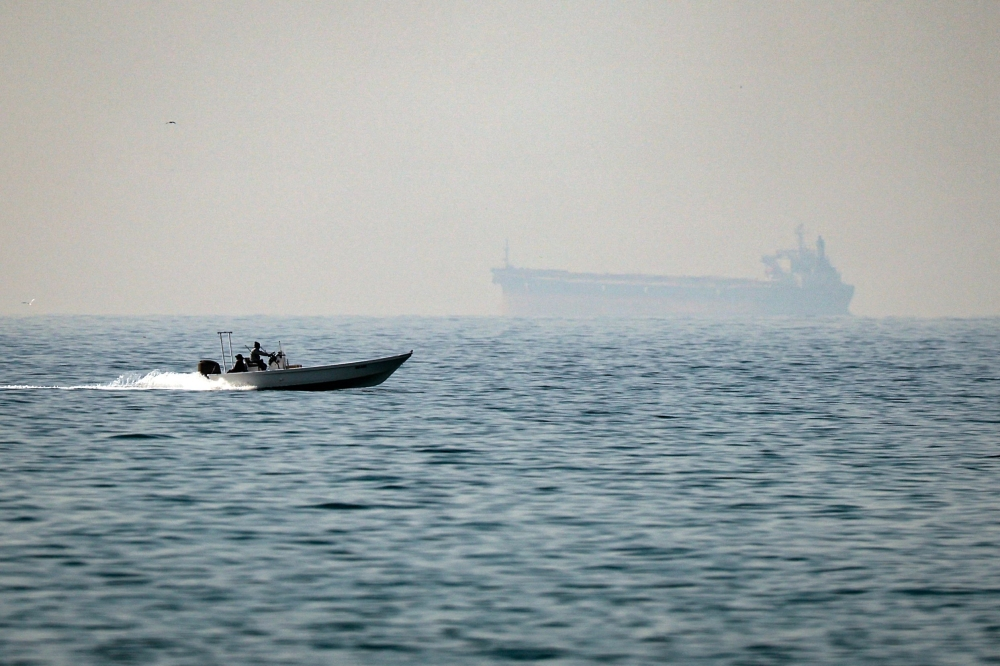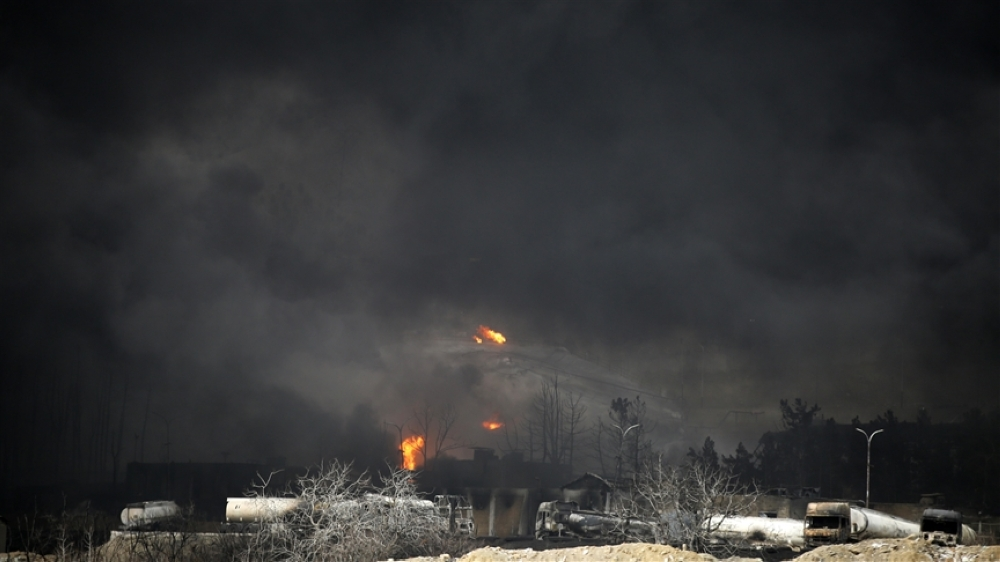
US President Donald Trump made some firm and intriguing statements, asserting that the war with Iran is progressing rapidly and beyond expectations. Trump explained that US forces are achieving their objectives, indicating that Tehran is suffering heavy losses and paying a heavy price for its continued policies. These developments come amidst escalating tensions in the Middle East, particularly following threats of retaliation issued by Iran's new Supreme Leader.
Developments in the war on Iran and Trump's rapidly escalating statements
Speaking at the White House on Thursday, Trump emphasized that the military situation on the ground was developing in the United States' favor. He stated unequivocally, "The situation with Iran is developing very quickly. It's going very well, and our military is unparalleled." Not content with this, the US president, while attending an event commemorating Women's History Month alongside First Lady Melania Trump, delivered a harsh description of the Iranian regime, saying, "They are truly a nation of terror and hatred, and they are paying a heavy price right now." These remarks reflect the US administration's determination to press ahead with its current strategy of pressuring Tehran.
The historical context of US-Iranian tensions
To understand the current situation, one must examine the deep roots of the disputes between Washington and Tehran. Recent tensions can be traced back primarily to 2018 when Trump unilaterally withdrew the United States from the Iran nuclear deal, signed in 2015. Trump subsequently adopted a “maximum pressure” campaign, which included imposing crippling economic sanctions targeting vital sectors such as oil and banking. This policy aimed to force Iran to negotiate a new agreement that would address its ballistic missile program and regional influence. This historical accumulation of mistrust and escalating actions has paved the way for the current brink of direct military confrontation.
Conflicting positions and pledges of the new Iranian leadership
Despite his confident tone, Trump has made seemingly contradictory statements in recent days regarding the progress of military operations. While declaring that “we have won” and that the confrontation could end “very soon,” he has also stressed the need to continue military strikes to ensure the achievement of strategic objectives. Furthermore, the US president has not directly responded to the threats issued by Iran’s new Supreme Leader, Mojtaba Khamenei. In his first message since assuming office, Khamenei vowed revenge and pledged to continue disrupting maritime traffic in the Strait of Hormuz, a direct challenge to US interests and those of its allies in the region.
Regional and international repercussions and their impact on energy markets
The significance of this event extends far beyond the geographical boundaries of the two countries, encompassing wide-ranging regional and international repercussions. The most prominent of these was evident in global energy markets, where oil prices surged dramatically. This increase stemmed from the near-complete halt of oil tanker traffic through the Strait of Hormuz, the world's most strategic waterway for energy supplies. However, Trump downplayed these economic consequences compared to his administration's overarching goal, stating on social media that preventing what he termed Iran's "evil empire" from acquiring nuclear weapons remained far more important than concerns about fluctuations in global oil prices.