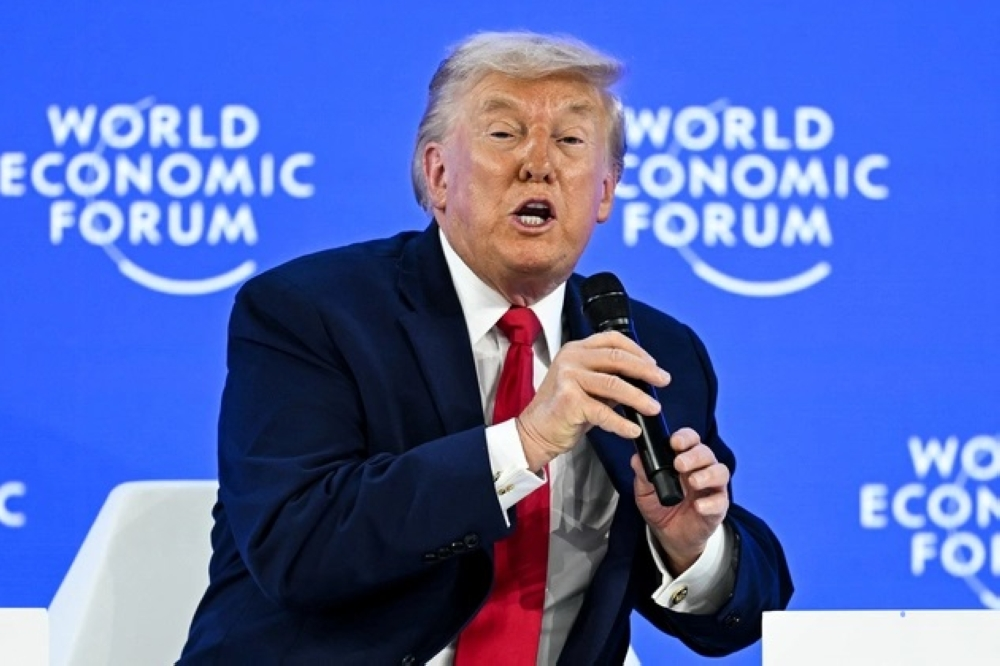
Trump's recent statements about Iran have sparked widespread controversy in political circles. The former US president claimed that Tehran is currently engaged in peace talks and secret negotiations with the United States. Trump suggested that Iran's continued denial of these talks stems not from a rejection of the principle itself, but rather from the fear among Iranian negotiators and leaders of public backlash, believing that admitting to such talks could lead to their assassination by an angry populace.
The historical context of Trump's statements about Iran
To understand the implications of these statements, one must consider the broader context and historical background of US-Iranian relations. These relations have been characterized by decades of tension and diplomatic rupture since 1979. In 2015, the nuclear agreement was reached, aiming to curb Tehran's nuclear program in exchange for sanctions relief. However, the Trump administration unilaterally withdrew from this agreement in 2018, adopting a policy of "maximum pressure" that has crippled the Iranian economy. Today, Trump's statements on Iran highlight once again Iran's urgent desire for relief from the crippling economic sanctions, despite the publicly hostile rhetoric, reflecting a significant gap between behind-the-scenes diplomacy and statements intended for domestic consumption.
Behind the scenes of the Republican dinner and the destruction of the nuclear program
In detailing the event, Al Arabiya quoted Trump as saying during a dinner with Republican members of Congress: “They are negotiating, and they desperately want to make a deal. But they are afraid to say so because they believe that if they do, they will be killed by their own people.” Trump’s remarks were not without his usual sarcasm, as he addressed the leadership crisis in Tehran, saying, “No one wants to be the Supreme Leader in Iran right now,” adding ironically that he himself would not be the next Supreme Leader of Iran.
The former president continued his strong claims, asserting that previous US strikes had severely damaged Iranian infrastructure. He added, “We destroyed everything in Iran. Our strikes completely eliminated the nuclear program, and we prevented them from acquiring a nuclear weapon thanks to our B-2 strategic bomber strikes.”.
The expected impact of the negotiations on the regional and international landscape
These developments and potential negotiations are of paramount importance and are expected to have an impact extending from the local to the regional and international levels. Domestically in Iran, the fear of publicly announcing negotiations reflects the popular discontent and political fragility plaguing the regime. Regionally, any rapprochement or secret agreement could redraw the map of alliances in the Middle East, especially given the current tensions and ongoing threats to shipping in the Red Sea. Internationally, major powers such as China and Russia are watching these developments closely, as any US-Iranian deal will inevitably affect global energy markets and the balance of power, making this stage pivotal in determining the future of global stability.
Trump: No one wants to be the Supreme Leader in Iran right now... and its leaders are negotiating with us, but they deny it to their people for fear of death
Al Arabiya channel pic.twitter.com/SXtMCoPOU5
— Al Arabiya Breaking News (@AlArabiya_Brk) March 26, 2026