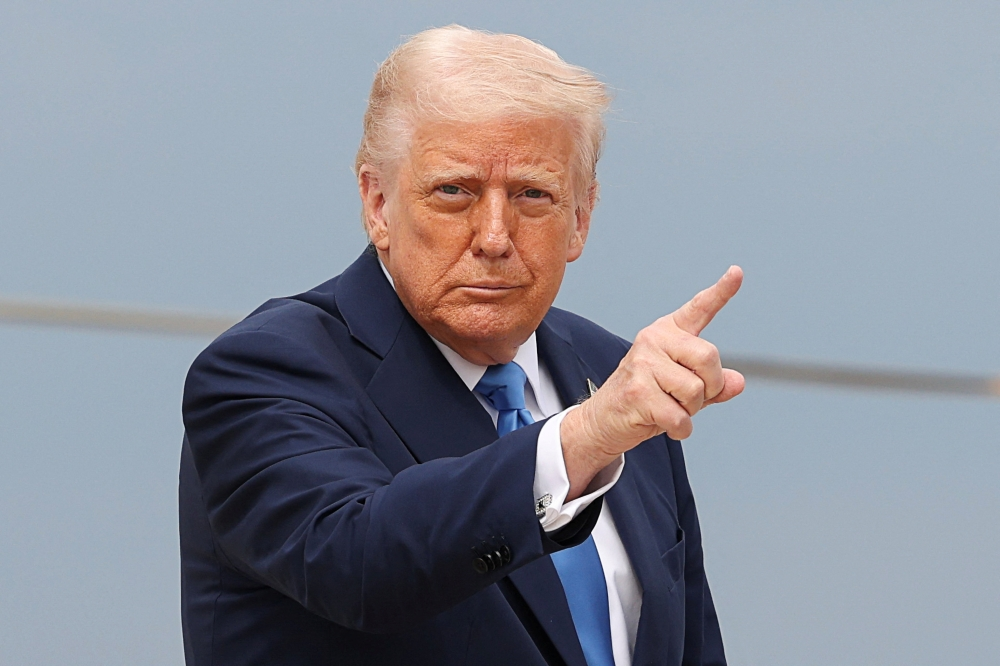
Amid escalating tensions in the Middle East, Trump's latest remarks on Iran widespread debate and significant global attention. Former US President Donald Trump asserted unequivocally that Tehran will never acquire a nuclear weapon, indicating that its military capabilities have been severely damaged and it is no longer capable of launching any effective attacks. These statements come at a sensitive time, as the region undergoes profound geopolitical shifts, raising questions about the future of the US-Iranian conflict.
The roots of the conflict: Washington's withdrawal from the nuclear agreement
To understand the true dimensions of these developments, one must consider the historical context of relations between the two countries. Since 2018, when Trump announced the US withdrawal from the Iran nuclear deal, the American administration adopted a policy of “maximum pressure.” This policy aimed to cripple the Iranian economy through harsh sanctions and prevent Tehran from developing its nuclear program or funding its proxies in the Middle East. This long history of tension explains Trump’s current hardline stance, in which he believes that sustained military and economic pressure is the only way to curb Iranian influence and prevent it from posing an international threat.
Trump's most prominent statements on Iran and military operations
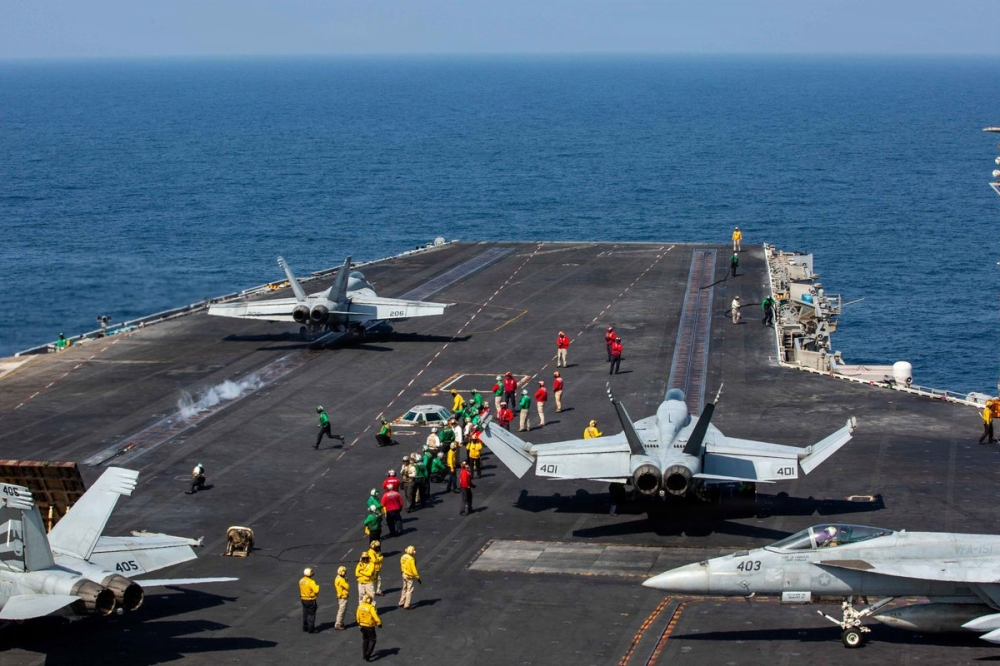
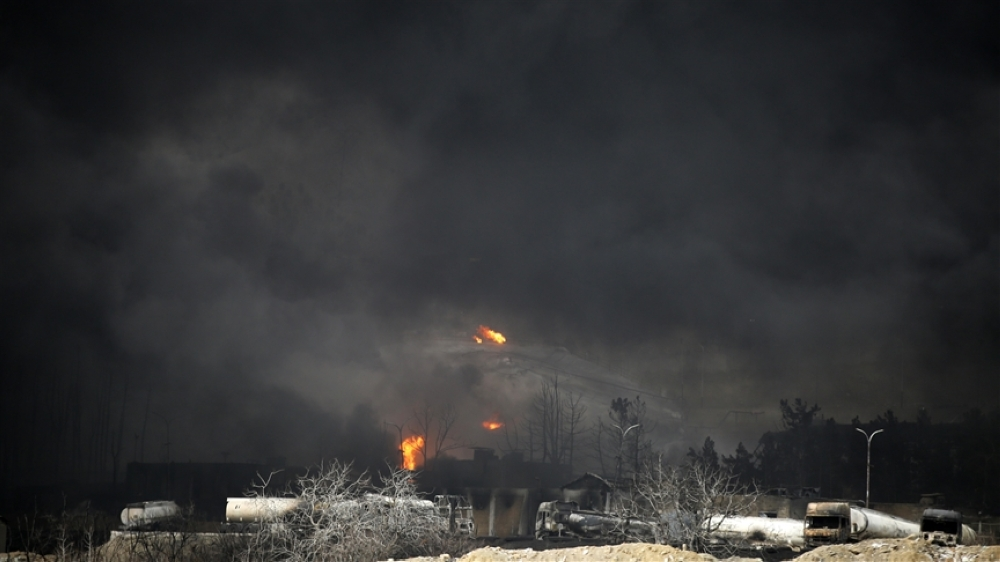
Trump's statements regarding Iran included clear references to targeted military operations. He explained that the United States and Israel share almost identical objectives in dealing with the Iranian threat. He revealed that one of the largest attacks in the history of the Middle East targeted the strategic Iranian island of Kharg. Despite the scale of the attack, he indicated that he deliberately chose not to destroy the island's oil infrastructure, but he issued a stark warning that this option remains firmly on the table should Tehran attempt to disrupt shipping or threaten the security of the Strait of Hormuz. He also explicitly called on the Iranian military to lay down its arms to salvage what remains of the country, asserting that Iran has suffered devastating blows that have rendered it incapable of defending itself or threatening American and global interests.
The Strait of Hormuz and the impact of the conflict on global energy markets
The impact of this conflict extends far beyond the military sphere, encompassing the entire global economy. The Strait of Hormuz is one of the world's most strategically vital waterways, through which a significant portion of the world's oil supply passes. In this context, Trump affirmed that plans are imminent to escort and protect commercial vessels transiting the strait to ensure the continued flow of energy. He added that the United States is discussing multiple options to assert its complete dominance and neutralize any Iranian threat in this crucial region. He predicted that the world would witness a significant drop in energy prices once these tensions subside and stability is restored, reflecting the paramount importance of securing maritime navigation and its direct repercussions on the international economy.
Regional and international repercussions of the collapse of Iranian capabilities
Trump’s assertion that Iran is no longer in a position to undertake any military action has profound implications for the future of the Middle East. Regionally, a decline in Iranian military power weakens its network of allies and proxies in the region, potentially paving the way for a redrawing of the map of security and political alliances. Internationally, ensuring that Tehran does not acquire a nuclear weapon is a top priority for the international community to avert a nuclear arms race in an already volatile region. Ultimately, this vision charts a course based on decisive deterrence, where military and economic options remain open to guarantee global security and stability.