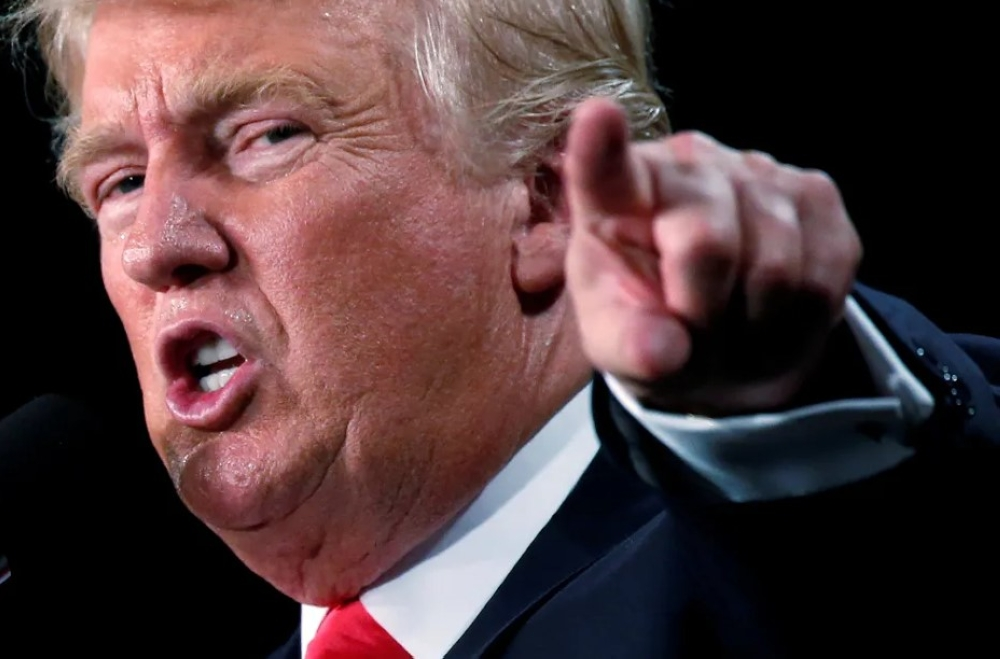
US President Donald Trump's recent statements have sparked widespread controversy on the international stage, particularly regarding the ongoing tensions in the Middle East. In his latest appearance, Trump put an end to speculation about the possibility of resorting to extreme military options, asserting that Israel would not use nuclear weapons against Iran . These statements come at a time of unprecedented escalation in the region, raising numerous questions about the future of the conflict and its impact on global stability.
The historical context of the tensions and Trump's stance on using nuclear weapons to strike Iran
To understand the implications of these statements, one must consider the complex historical background of relations between Washington and Tehran. Since the United States withdrew from the Iran nuclear deal in 2018, the US administration has pursued a policy of “maximum pressure” to curtail Tehran’s capabilities. In this context, Trump, as reported by Al Arabiya, stated that the Iranian leadership is currently seeking a new deal to alleviate the economic stranglehold imposed upon it. He also indicated that Tehran is resorting to artificial intelligence technologies to promote fabricated victories in an attempt to mask its declining regional influence.
Targeting the Strait of Hormuz and destroying military capabilities
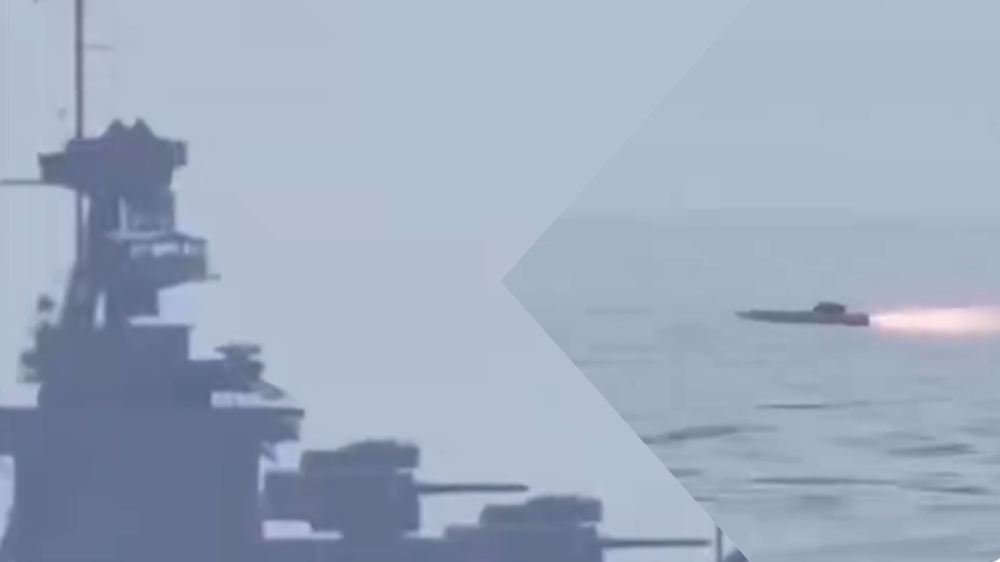
The US president's statements did not only rule out the nuclear option, but also touched on the details of conventional military operations. Trump confirmed that US forces and their allies had launched precise strikes against vital targets in Iran, directly linked to the security of the Strait of Hormuz. This strait is a crucial artery through which a large portion of the world's oil production passes, making any threat to navigation there a global economic crisis. Trump added that the United States is working to significantly degrade Iran's military capabilities, while also noting that the Iranian Supreme Leader is certainly not in good health, which could open the door to internal changes in the power structure.
Regional and international impacts of the recent escalation
These developments have significant implications at both the regional and international levels. Regionally, the escalation has led to a widespread security alert, with the Iranian Revolutionary Guard issuing strongly worded warnings to American companies operating in the region, threatening to target them and calling on their employees to evacuate immediately.
Threatening to target them and calling on their employees to evacuate, the Iranian Revolutionary Guard warns American companies in the region
For more | https://t.co/y3lXu7qera #Iran | #Today pic.twitter.com/ZNbKTB1gym
— Al-Youm Newspaper (@alyaum) March 16, 2026
On the international level, ruling out the use of unconventional weapons sends a relatively reassuring message to global markets, which fear a full-scale war that could disrupt energy supplies. However, the continued conventional strikes on vital targets keep the region on edge, prompting the international community to closely monitor developments to prevent the Middle East from descending into chaos that would affect global economic and political stability.