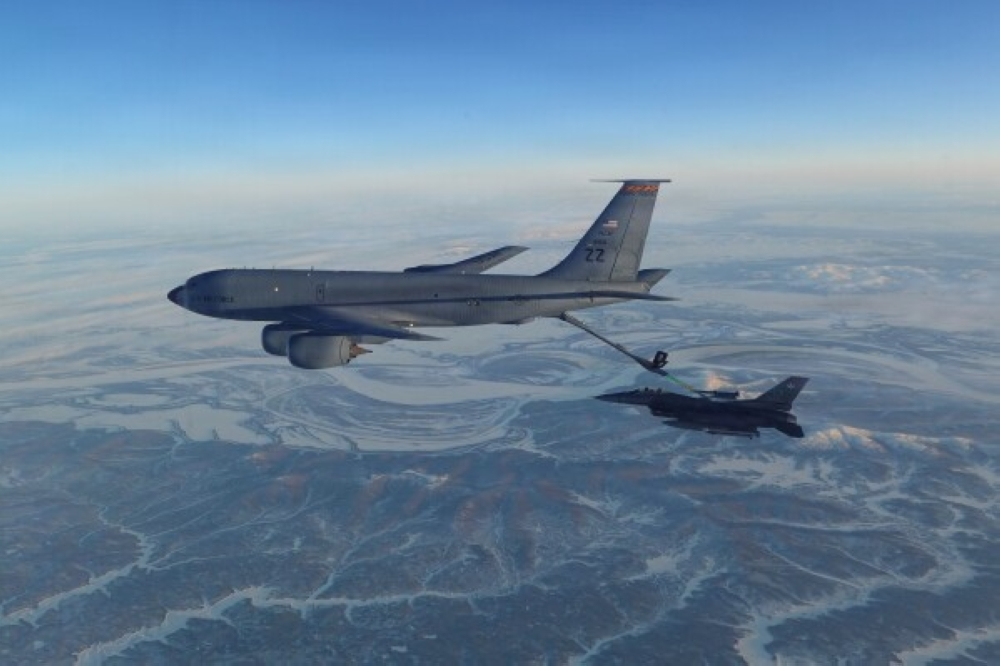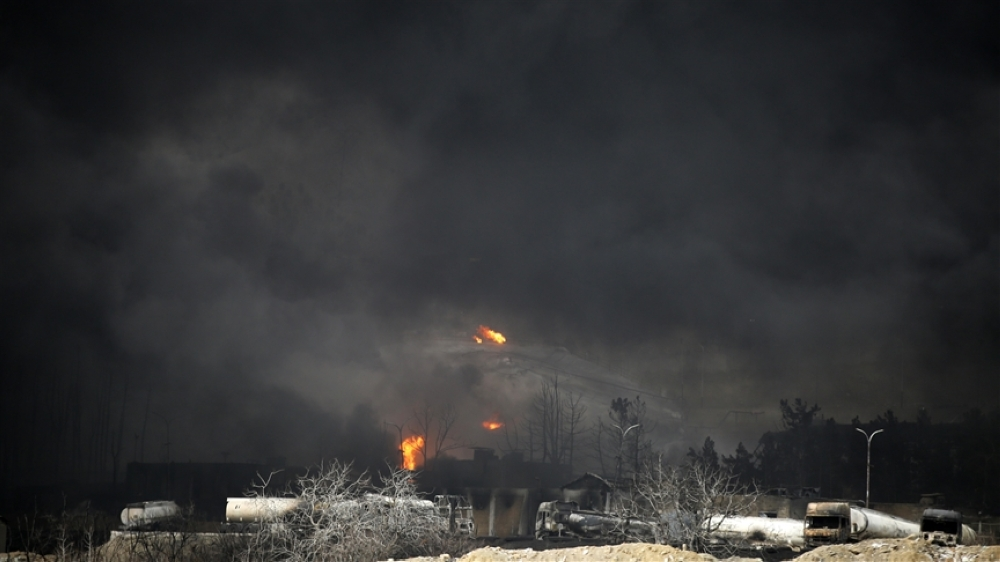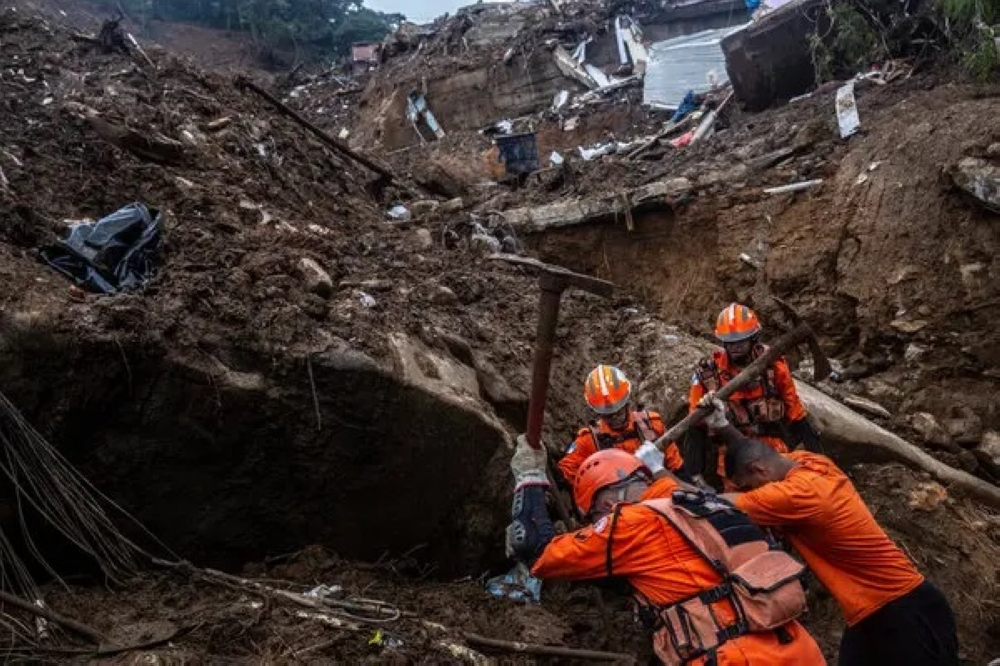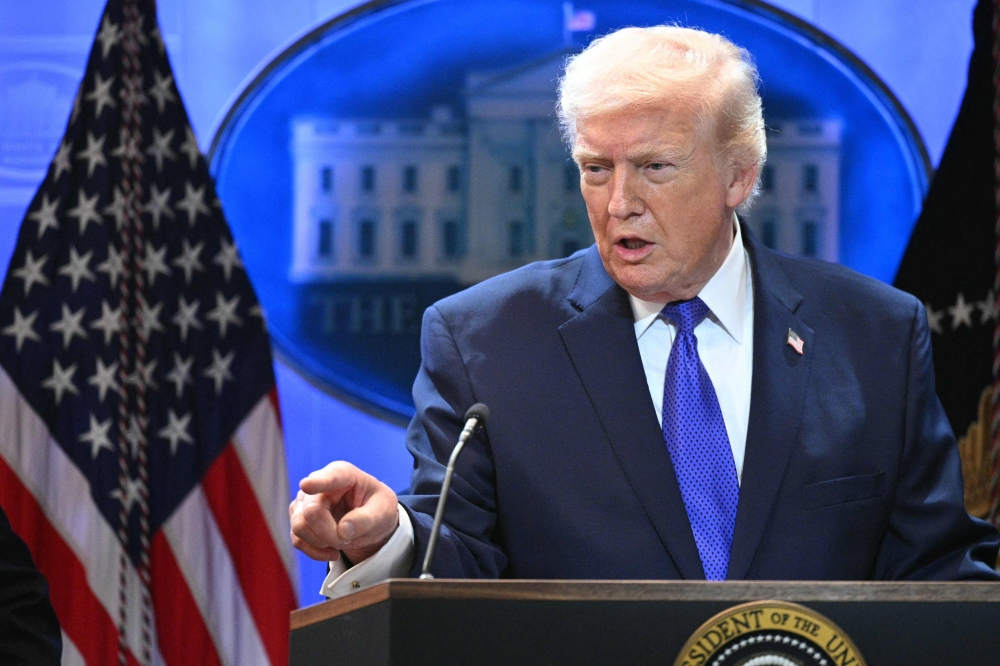
In striking remarks reflecting escalating tensions on the international stage, US President Donald Trump stated that an attack on Iran could take up to five weeks, indicating that Washington has multiple options for dealing with the leadership in Tehran. These statements highlight a potential US strategy that may rely on intensified military pressure alongside diplomatic and economic measures.
Details of the American plan and the call to surrender weapons
The New York Times quoted President Trump as saying that the United States has three "very good" options regarding the future leadership in Iran. In an unprecedented move, Trump directly called on the Iranian military and the Revolutionary Guard to surrender their weapons, asserting that the American military arsenal, including missiles, troops, and bombs, is ready to support any military action. Trump explained that the economic collapse and political changes in Venezuela could be the "perfect scenario" for a political transition in Iran, leaving the door open for the Iranian people to take steps toward changing the current government.
The Venezuela scenario and the future of an attack on Iran
The US president directly linked the situation in Tehran to that in Caracas, suggesting that maximum pressure could lead to results similar to those in Venezuela. Trump displayed conditional flexibility toward Tehran, affirming his openness to lifting the harsh economic sanctions imposed on the country, provided that a "new, pragmatic leadership" emerges that engages realistically with the international community and abandons hostile policies. This connection indicates Washington's desire to bring about structural change in the Iranian regime through a combination of military force and internal economic pressure.
Background to the escalation and history of strained relations
an attack on Iran cannot be separated from the long history of strained relations between Washington and Tehran. Since the United States withdrew from the nuclear agreement in 2018, the US administration has adopted a policy of "maximum pressure" aimed at crippling the Iranian economy and diminishing Tehran's regional influence. The past few years have witnessed dangerous escalations, from attacks on oil tankers in the Gulf to the assassinations of prominent military leaders, leaving the region in a state of constant anticipation of an open military confrontation that could redraw the geopolitical map.
Potential regional and international repercussions
The threat of continued military operations for five weeks carries serious implications both regionally and internationally. Regionally, any large-scale conflict could destabilize the Middle East and threaten vital international shipping lanes in the Strait of Hormuz, directly impacting global energy markets and oil prices. Internationally, the major powers are closely watching the outcome of this escalation. Washington seeks to impose a new equation that neutralizes Iranian military capabilities, while Tehran attempts to maneuver to preserve its strategic gains and maintain domestic cohesion in the face of these existential threats.