In a significant development on the international political stage, US President Donald Trump stated that the Iranian leadership has begun to acknowledge defeat under sustained pressure, indicating that Tehran is desperately seeking and pleading for a deal with Iran to end the current conflict. These remarks come at a time of unprecedented escalation in the region, with Trump asserting that operations against Tehran are progressing much faster than planned.
The roots of the conflict and the history of tensions between Washington and Tehran
To understand the current situation, it is necessary to consider the broader context and historical background of US-Iranian relations, which have been characterized by hostility and tension for decades. This discord deepened significantly during President Trump's first term when the United States unilaterally withdrew from the nuclear agreement in 2018 and began implementing a "maximum pressure" strategy. This strategy relied on imposing crippling economic sanctions targeting Iran's oil and banking sectors, leading to a sharp decline in the Iranian economy. Current actions are an extension of those hardline policies aimed at curbing Tehran's regional influence and preventing it from developing military capabilities that threaten Washington's allies and strategic interests.
Details of Trump's statements regarding the agreement with Iran
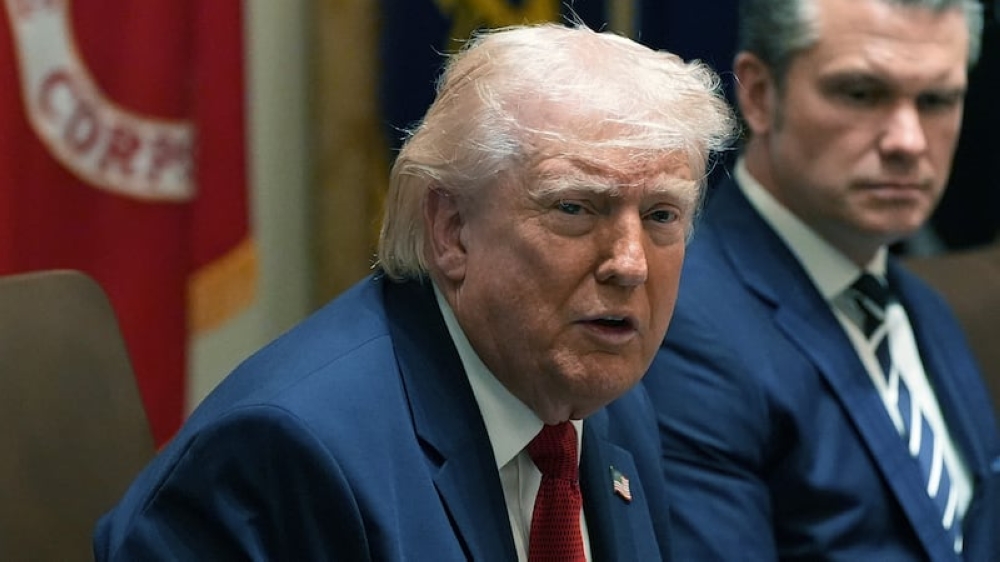
During a high-level meeting at the White House, attended by senior administration officials including Secretary of State Marco Rubio and Secretary of Defense Pete Hegseth, Trump explained that the Iranians are “bad fighters, but great negotiators.” He confidently added that his administration had estimated the mission would take four to six weeks, emphasizing that after 26 days, U.S. forces appeared to be well ahead of schedule. The U.S. president stressed that the Iranian regime was beginning to fully realize it had suffered a decisive defeat, making it more willing to make concessions and come to the negotiating table.
Harsh criticism of NATO and securing the Strait of Hormuz
Trump's remarks were not limited to the Iranian issue; they extended to sharp criticism of US allies in NATO. He expressed his deep frustration with the alliance's stance, accusing it of failing to provide sufficient support in the face of Iranian threats. Trump specifically criticized Britain, deeming its offer to send aircraft carriers belated and describing its ships as "toys" compared to US naval capabilities. These criticisms come against the backdrop of the allies' refusal to send naval vessels to secure the Strait of Hormuz, one of the world's most strategically important waterways, through which approximately one-fifth of the world's oil supply passes. Iran has repeatedly threatened to close the strait in response to US and Israeli military actions, thus jeopardizing global energy security.
Regional and international repercussions of US actions
This event is of paramount importance and is expected to have repercussions extending from the local to the regional and international levels. In an attempt to open a diplomatic channel amidst the escalating tensions, US envoy Steve Wittkopf revealed that Washington had sent Tehran a list of 15 demands via Pakistan, which is acting as an intermediary. Wittkopf, who led previous unsuccessful negotiations before the strikes began, indicated strong signs that Tehran was prepared to accept a settlement to avert further death and destruction.
Reaching a settlement or continuing the escalation will determine the shape of the security balance in the Middle East. Regionally, any Iranian retreat will affect Tehran's network of influence in the region, potentially bolstering the stability of neighboring states and reducing tensions. Internationally, securing shipping lanes and ensuring the flow of oil will avert devastating crises for the global economy. The coming days will be crucial in determining whether Tehran will yield to pressure and move toward a comprehensive agreement, or whether the region will witness new chapters of military escalation.