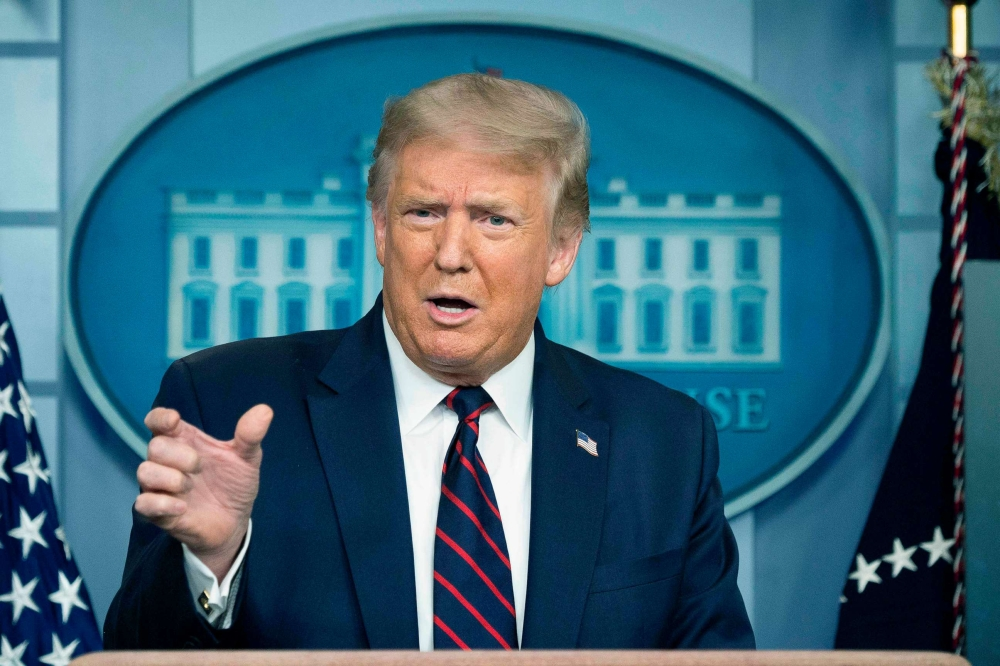
US House Speaker Mike Johnson officially announced that President Donald Trump has been invited to deliver his first State of the Union address of his second presidential term on Tuesday, February 24, 2026. This announcement comes at a crucial political juncture, as the United States prepares for a year full of legislative and electoral challenges.
Official invitation and strategic timing
In an official letter to the White House, Johnson expressed his eagerness to move forward with the 2026 political agenda, stating, “We look forward to serving the American people and defending freedom.” Johnson specifically designated the House chamber as the venue for the joint session of Congress that would witness this significant constitutional event. In his letter, Johnson praised the achievements of 2025, describing the United States as having become “stronger, freer, and more prosperous” under Trump’s leadership.
The difference between a joint session address and a State of the Union address
From a protocol and historical perspective, this speech is Trump's first official "State of the Union" address in his second term. Although the president addressed a joint session of Congress in March of last year (2025), American political convention does not classify the first-year address of a new (or re-elected) president as the State of the Union address, but rather as a speech outlining priorities and the national budget. Therefore, the February 2026 address carries greater constitutional weight, as the president is expected to provide an account of his first year and his vision for the second.
Internal challenges and midterm elections
The speech comes amid a tense political climate, with the president facing mounting domestic pressure related to the rising cost of living that plagues American citizens, as well as the ongoing controversy surrounding his strict immigration policies. These issues are doubly important given that 2026 is a midterm election year. Republicans fear that this pressure could lead to the loss of the House majority to the Democrats, which would significantly curtail Trump's powers and transform the remainder of his term into a period of legislative gridlock.
Foreign policy and international relations
Internationally, the picture is no less complex. The speech comes amid mixed international reactions to what has been described as an increasingly “aggressive” US foreign policy. These policies have caused confusion among the United States’ neighbors and some traditional allies in Europe, particularly regarding trade agreements and shared security commitments. Trump is expected to use this platform to justify his foreign policy decisions, emphasize his “America First” principle, and attempt to reassure allies or send warning messages to international rivals.