A presidential address with an election feel: Trump puts domestic issues first
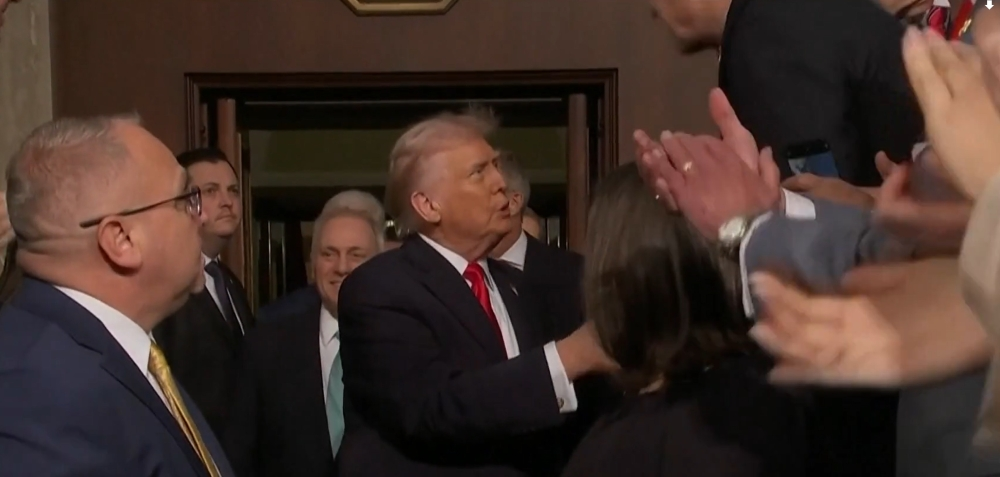
In his State of the Union address, one of the most prominent annual political events in the United States, former President Donald Trump chose to begin by focusing on issues that directly affect the lives of ordinary Americans. Illegal immigration, inflation rates, and fuel and real estate prices topped the list of priorities in his speech, in a clear strategy aimed at bolstering his image as a leader who successfully achieved economic and security stability for the country.
The historical context of the State of the Union address
The State of the Union address is a long-standing political tradition in the United States, based on a constitutional mandate requiring the president to provide a periodic report to Congress on the state of the nation. Over time, this address has transformed from a mere administrative report into a massive political and media platform, used by presidents to outline their legislative agenda, rally public support for their policies, and shape their presidential legacy. For Trump, the address was an ideal opportunity to speak directly to his electoral base and reinforce his “America First” narrative by showcasing what he considered tangible achievements.
Economy and immigration: pillars of Trump's rhetoric
During his presidency, Trump built much of his political rhetoric on economic and security promises. In his speeches, he consistently emphasized that his administration had achieved an “unprecedented economic boom.” Trump cited figures to support his narrative, pointing to inflation at its lowest levels in years, rising wages, and falling gasoline prices. He attributed these achievements to his policies, which included sweeping tax cuts and the repeal of numerous regulations he considered to be hindering business growth.
On the security front, immigration was a cornerstone of Trump's policies. He emphasized in his speeches that his borders were "secure" thanks to his strict policies, which included building the border wall and implementing stringent measures against illegal immigration. His claims that the number of illegal immigrants had reached "zero" at certain times, while politically exaggerated, were intended to send a decisive message to his voters: that his administration was in complete control of the borders and protecting national security.
Importance and expected impact
Trump’s focus on these domestic issues was not accidental. Domestically, issues such as inflation, fuel prices, and immigration touch voters’ daily lives and are key drivers of their voting decisions. By presenting himself as the president who solved these problems, Trump sought to bolster his political standing and portray any subsequent administration as less effective. Internationally, his immigration and border policies have had a direct impact on US relations with its neighbors, particularly Mexico and Central America, and his protectionist economic policies have affected the course of global trade.