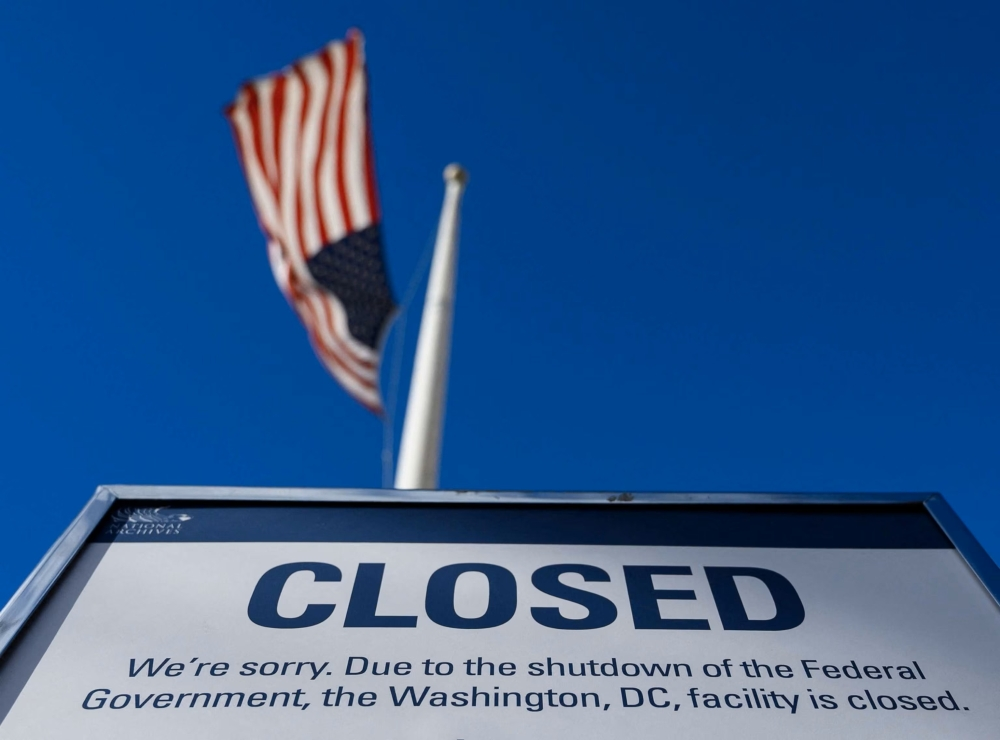
US President Donald Trump officially ended the three-day partial government shutdown after signing a temporary funding bill passed by Congress. This development followed a bitter political standoff between Republicans and Democrats, with the latter using the shutdown as leverage to push for protections for young immigrants known as "Dreamers.".
Background to the crisis: the government shutdown and the immigration issue
A government shutdown in the United States occurs when Congress fails to pass spending bills necessary to fund government operations. In this case, which began in January 2018, the core of the dispute was the Democrats' linking their approval of government funding to the passage of legislation protecting approximately 700,000 young immigrants brought to the United States illegally as children, who were protected from deportation under the Deferred Action for Childhood Arrivals (DACA) program established by the Obama administration. President Trump had previously announced his intention to end this program, leaving the future of these young people uncertain.
In contrast, Republicans and President Trump insisted that any immigration deal must include funding for a wall on the border with Mexico and stricter border security measures, refusing to discuss the issue of “Dreamers” under the pressure of the shutdown.
Details of the agreement and the congressional vote
After three days of gridlock and the shutdown of many non-essential government services, leaders from both parties in the Senate reached a compromise. Democrats agreed to vote for a bill to fund the government for three weeks in exchange for a pledge from Senate Majority Leader Mitch McConnell to allow open debate and a vote on a bill concerning immigration and the "Dreamers" issue before the temporary funding period expired. This pledge was enough to persuade a number of moderate Democrats to end the shutdown. The Senate voted first, followed by the House of Representatives, to approve the measure, paving the way for Trump to sign it into law.
Political effects and repercussions
Domestically, the shutdown furloughed hundreds of thousands of federal employees, closed national parks and museums, and disrupted some government services. While its relatively short duration limited the economic damage, it highlighted the deep political polarization in Washington. Republicans hailed the end of the shutdown as a victory, having reopened the government without making immediate concessions on immigration. Democrats, on the other hand, faced criticism from their progressive base for “capitulating,” but their leaders defended the move as a necessary tactic to ensure a serious discussion about the fate of “Dreamers.” Internationally, the crisis raised questions about the stability of the American political process and the administration’s ability to govern effectively.