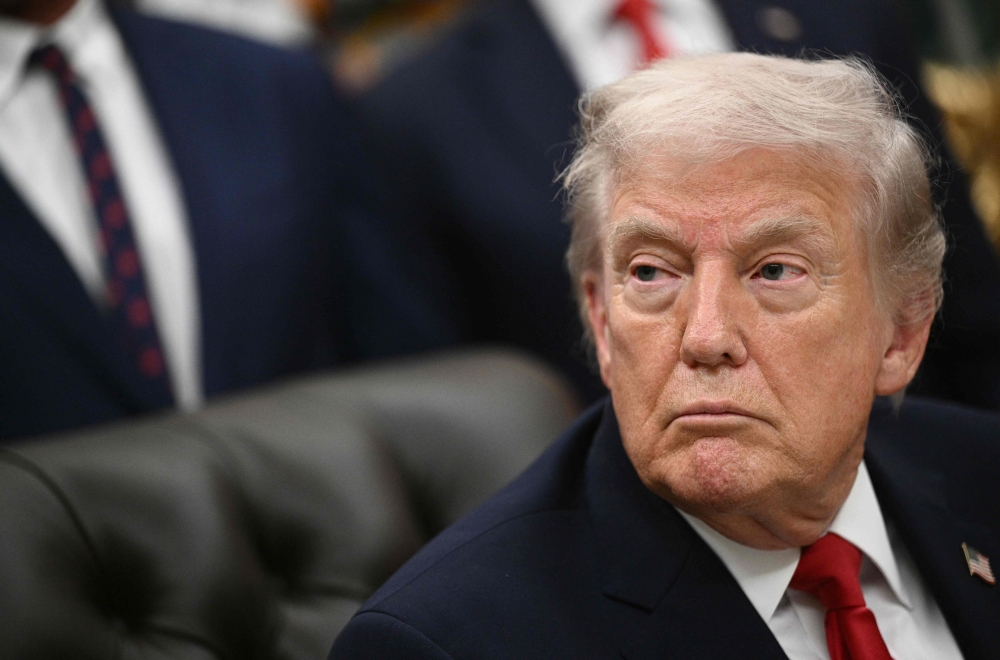
أكد الرئيس الأمريكي السابق دونالد ترامب، في تصريح يعكس الطبيعة المزدوجة لسياسته الخارجية، إرسال مجموعة سفن حربية أمريكية قبالة السواحل الإيرانية، معربًا في الوقت ذاته عن أمله في تجنب المواجهة العسكرية وإمكانية العودة إلى طاولة المفاوضات مع طهران بشأن برنامجها النووي.
وقال ترامب للصحافيين: “لدينا مجموعة (سفن حربية) متجهة إلى مكان يدعى إيران، وآمل ألا نضطر إلى استخدامها”. وأضاف، مشيرًا إلى استعداده للحوار: “فعلت ذلك سابقًا وأخطط لذلك. نعم، لدينا الكثير من السفن الكبيرة جدًا والقوية جدًا التي تبحر نحو إيران الآن، وسيكون من الرائع لو لم نضطر إلى استخدامها”.
خلفية التوتر وسياق الأحداث
تأتي هذه التصريحات في ذروة التوتر بين واشنطن وطهران، والذي بدأ يتصاعد بشكل كبير بعد قرار إدارة ترامب في مايو 2018 بالانسحاب أحادي الجانب من الاتفاق النووي الإيراني (خطة العمل الشاملة المشتركة – JCPOA) الذي تم توقيعه في عام 2015. عقب الانسحاب، أعادت الولايات المتحدة فرض عقوبات اقتصادية قاسية على إيران ضمن ما عُرف بسياسة “الضغط الأقصى”، بهدف إجبار طهران على التفاوض على اتفاق جديد أكثر شمولاً يغطي برنامجها الصاروخي الباليستي ونفوذها الإقليمي.
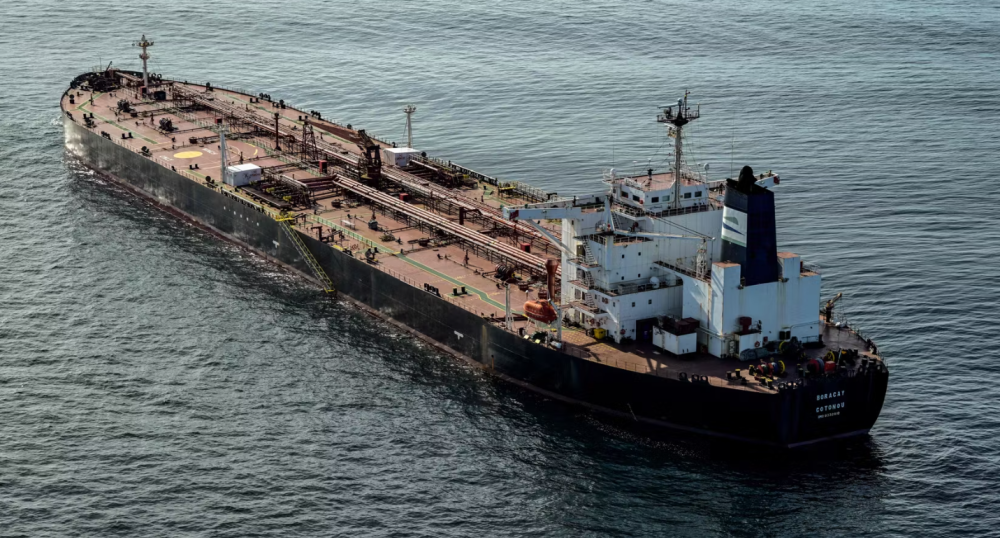
رداً على ذلك، بدأت إيران في التراجع تدريجياً عن بعض التزاماتها بموجب الاتفاق النووي، مما زاد من قلق القوى الدولية. وشهدت منطقة الخليج العربي سلسلة من الحوادث المقلقة، بما في ذلك هجمات على ناقلات نفط في مياه الخليج، وإسقاط طائرة استطلاع أمريكية بدون طيار من قبل الحرس الثوري الإيراني، مما دفع بالبلدين إلى حافة مواجهة عسكرية مباشرة.
أهمية التحرك العسكري وتأثيره المتوقع
يمثل إرسال حاملة الطائرات “يو إس إس أبراهام لنكولن” ومجموعة قاذفات قنابل استراتيجية من طراز B-52 إلى المنطقة رسالة ردع واضحة من واشنطن. يهدف هذا التحرك إلى إظهار القوة والاستعداد للرد على أي تهديدات محتملة للمصالح الأمريكية أو حلفائها في الشرق الأوسط. وعلى الصعيد الإقليمي، لقي هذا الإجراء ترحيبًا من بعض حلفاء الولايات المتحدة مثل المملكة العربية السعودية وإسرائيل، اللذين يشاركان واشنطن مخاوفها بشأن سياسات إيران.
وعلى المستوى الدولي، أثار هذا التصعيد العسكري قلقًا واسعًا، خاصة بين الشركاء الأوروبيين الذين حاولوا الحفاظ على الاتفاق النووي. وحذرت العديد من الدول من مخاطر سوء التقدير الذي قد يؤدي إلى اندلاع صراع واسع النطاق في منطقة استراتيجية وحيوية لإمدادات الطاقة العالمية، حيث يمر عبر مضيق هرمز حوالي خُمس استهلاك النفط العالمي. إن أي اضطراب في هذا الممر المائي الحيوي يمكن أن يؤدي إلى ارتفاع حاد في أسعار النفط العالمية ويؤثر سلبًا على الاقتصاد العالمي.