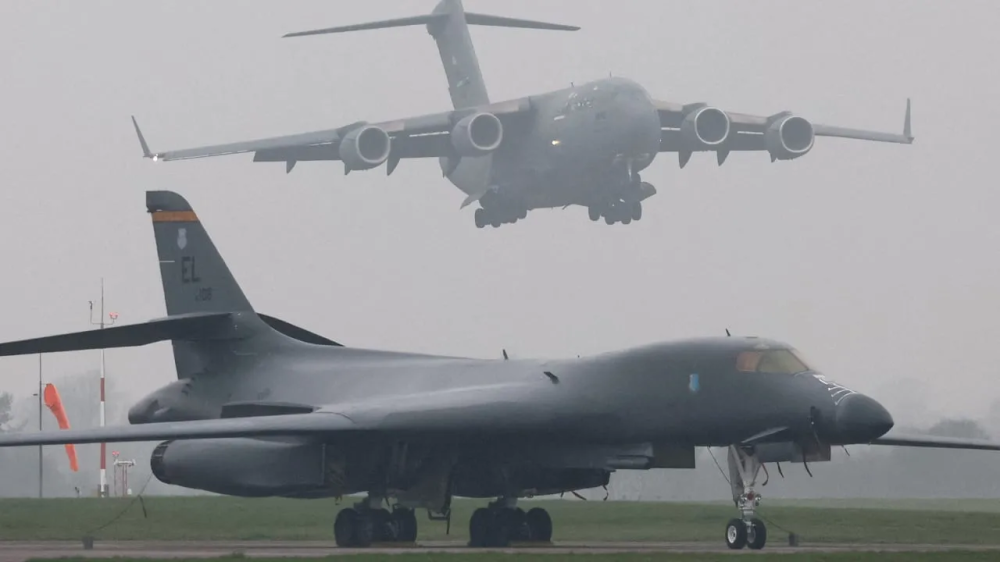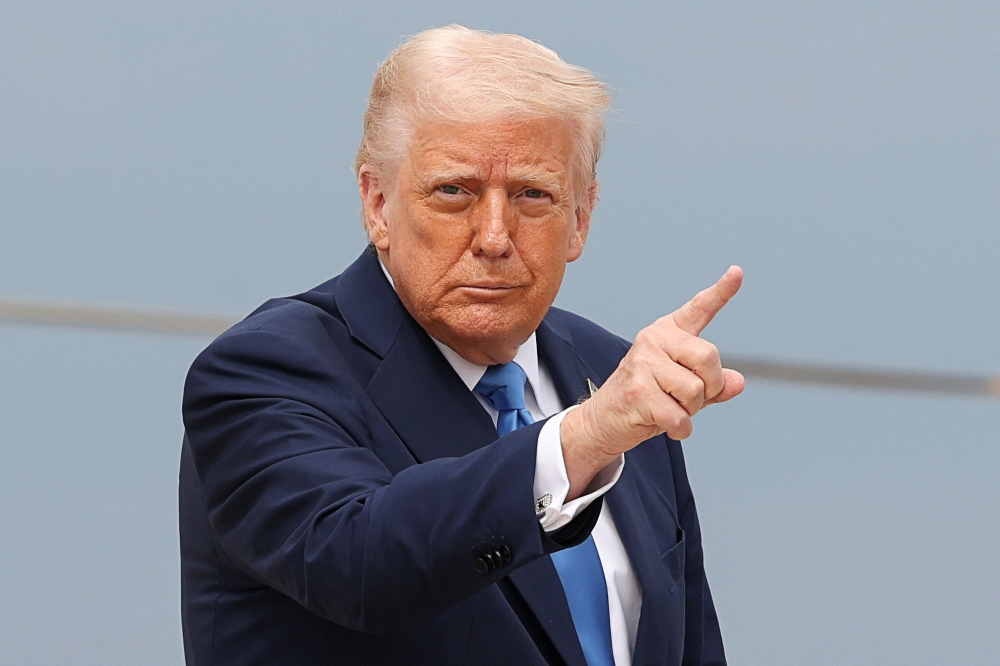
In a significant development in the political and military landscape of the Middle East, US President Donald Trump announced that his administration is seriously considering a plan to gradually reduce operations against Iran. This unexpected announcement came just hours after his earlier statements indicating his unwillingness to reach a ceasefire, reflecting a strategic shift in dealing with the Iranian issue. On Friday, Trump posted a clear message on his social media platform, Truth Social, asserting that the United States is nearing its desired objectives and indicating that Washington is considering scaling back its extensive military efforts against the Iranian regime in the region.
The historical context behind the consideration of reducing operations against Iran
To understand the true motivations behind the move to reduce operations against Iran, it is necessary to consider the broader context and historical background of US-Iranian tensions. For decades, the United States has maintained a substantial military presence in the Persian Gulf and the wider Middle East to deter Iranian influence and protect US interests and those of its allies. Recent years have witnessed a significant escalation, particularly with Washington's adoption of a "maximum pressure" policy that included harsh economic sanctions and targeted military operations. However, successive US administrations, including the Trump administration, have consistently expressed a desire to end "endless wars" and reduce the exorbitant financial and human costs of US military deployments abroad, focusing instead on other strategic threats on the global stage.
Securing the Strait of Hormuz: A shift in global maritime strategy
In addition to discussing the reduction of the military presence, the US president addressed a crucial point concerning maritime security. Trump explained that other countries dependent on the Strait of Hormuz would have to assume responsibility for securing and monitoring it themselves if necessary, indicating that the United States no longer has a pressing need to use it. The Strait of Hormuz is one of the world's most important strategic waterways, through which approximately one-fifth of the world's crude oil supply passes. Historically, the US Navy has borne the brunt of protecting this vital waterway to ensure the flow of global energy supplies. However, the rise in US shale oil production and the achievement of a high level of US energy independence have led the US administration to believe that protecting the strait should be the responsibility of the countries that directly benefit from it, such as Asian and European nations.
Strategic importance and expected impact of the decision
This strategic shift carries significant weight and far-reaching implications at the local, regional, and international levels. Regionally, this decision may prompt countries in the region to reassess their security arrangements and rely more heavily on building local and regional alliances to ensure their stability and protect their territorial waters, moving away from the traditional US security umbrella. Internationally, the withdrawal or reduction of the US role in protecting shipping lanes will compel major global powers, particularly those heavily dependent on Gulf oil, to bolster their naval presence in the region and forge new international alliances to guarantee the security of energy supplies. Ultimately, this announcement represents a turning point that could reshape the geopolitical and security landscape of the Middle East for years to come.