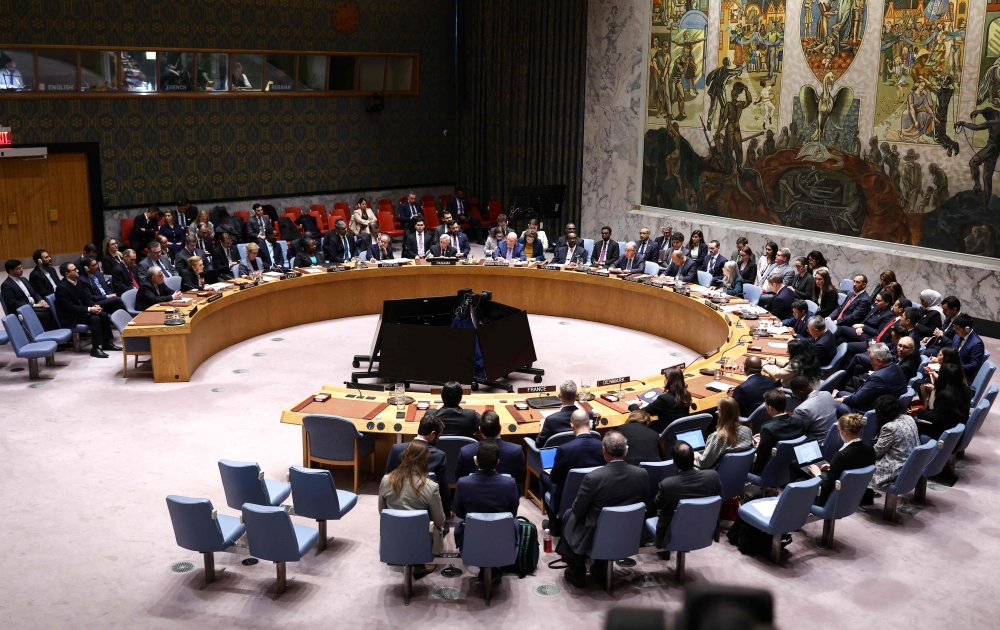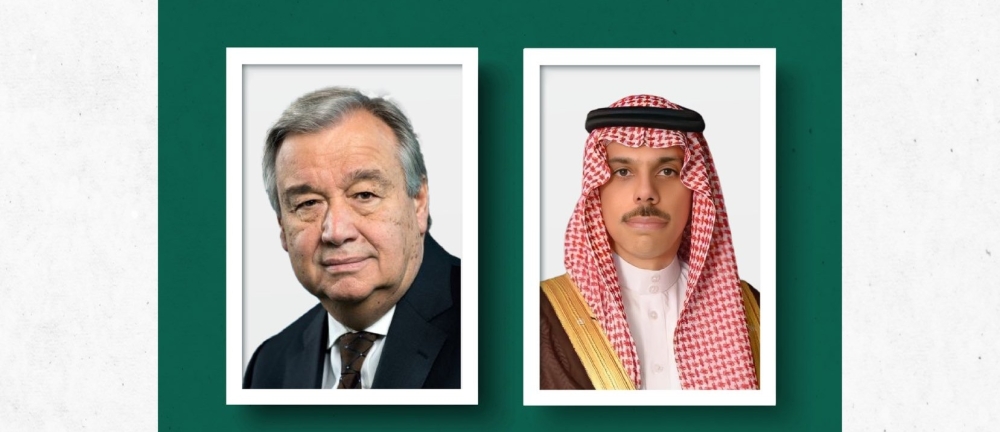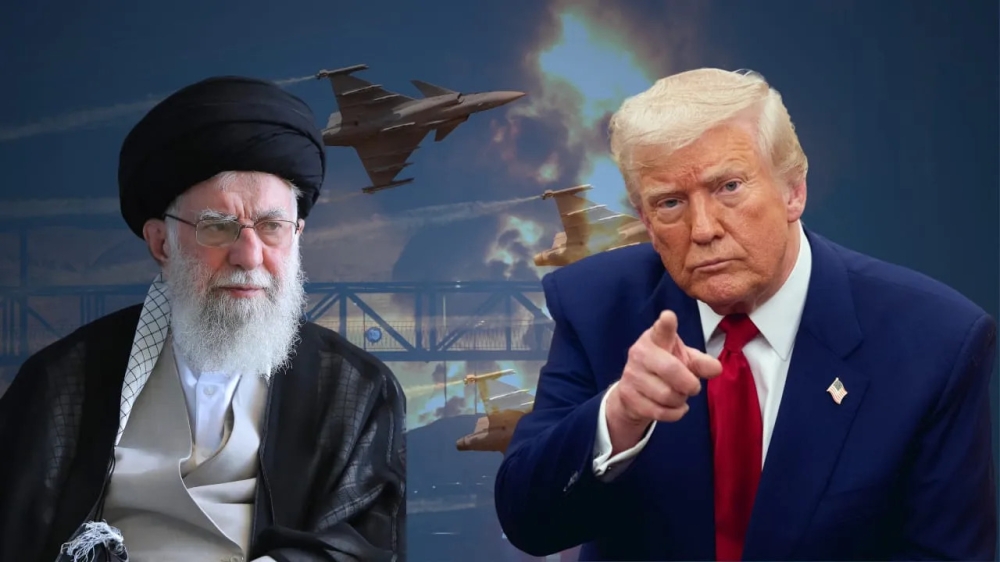
أعلن الرئيس الأمريكي السابق دونالد ترامب عن وجود اتصالات مع إيران، في تصريح يعكس الطبيعة المزدوجة لسياسته التي جمعت بين التهديد العسكري والدعوة للحوار. جاءت تصريحات ترامب في وقت كانت فيه التوترات بين واشنطن وطهران تصل إلى ذروتها، مشيراً إلى أن “إيران تتحدث إلينا”، بالتزامن مع تأكيده على القوة العسكرية الأمريكية بقوله: “لدينا أسطول كبير يتجه إلى هناك”.
خلفية التوتر: الانسحاب من الاتفاق النووي
تعود جذور هذا التصعيد إلى قرار إدارة ترامب في مايو 2018 بالانسحاب من جانب واحد من الاتفاق النووي الإيراني (خطة العمل الشاملة المشتركة)، الذي تم توقيعه في عام 2015 بين إيران والقوى العالمية. بعد الانسحاب، أعادت واشنطن فرض عقوبات اقتصادية قاسية على طهران ضمن حملة أطلقت عليها اسم “الضغط الأقصى”، بهدف إجبار إيران على إعادة التفاوض على اتفاق جديد يشمل برنامجها الصاروخي وسياساتها الإقليمية.
تصعيد عسكري ودبلوماسية القنوات الخلفية
رداً على ما وصفته واشنطن بـ”مؤشرات وتحذيرات مقلقة” من إيران، قامت الولايات المتحدة بتعزيز وجودها العسكري في منطقة الشرق الأوسط. شمل هذا التعزيز إرسال حاملة الطائرات “يو إس إس أبراهام لنكولن” ومجموعة قاذفات قنابل استراتيجية إلى الخليج، في رسالة ردع واضحة. تصريحات ترامب حول “الأسطول الكبير” كانت إشارة مباشرة إلى هذه التحركات العسكرية التي أثارت قلقاً دولياً من اندلاع مواجهة عسكرية غير محسوبة.
على الرغم من الخطاب العدائي، كانت هناك جهود دبلوماسية مكثفة خلف الكواليس. عملت عدة دول، بما في ذلك سويسرا (التي ترعى المصالح الأمريكية في إيران)، وسلطنة عمان، واليابان، كوسيط لنقل الرسائل بين الطرفين ومحاولة نزع فتيل الأزمة. إشارة ترامب إلى أن إيران “تتحدث إلينا” كانت على الأرجح تلميحاً إلى هذه القنوات غير المباشرة، والتي سعت من خلالها واشنطن إلى فتح باب للتفاوض المباشر، وهو ما كانت ترفضه طهران في ظل العقوبات.
الأهمية والتأثير الإقليمي والدولي
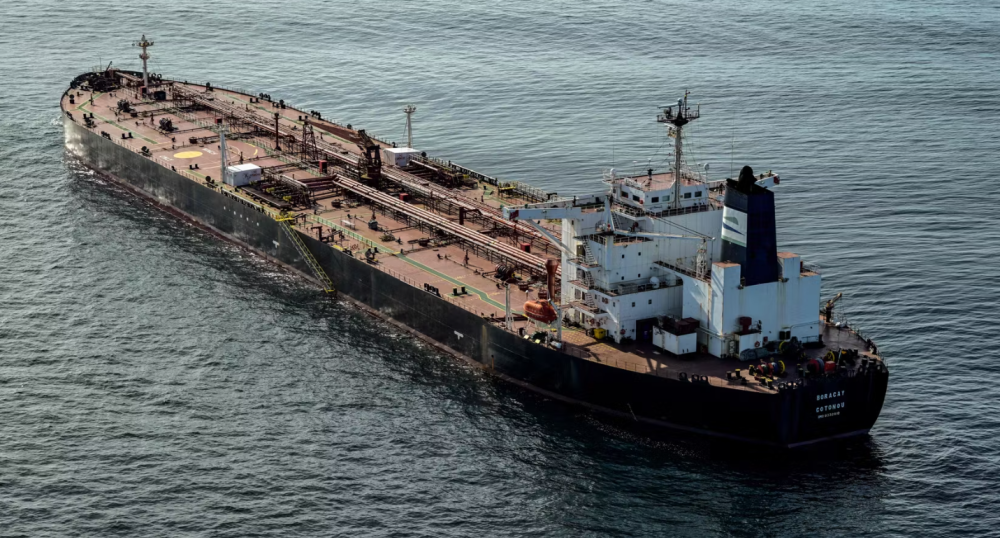
يحمل التوتر بين الولايات المتحدة وإيران تداعيات تتجاوز حدودهما. فمنطقة الخليج العربي، وخاصة مضيق هرمز، تعد ممراً حيوياً لأكثر من خُمس إمدادات النفط العالمية. أي مواجهة عسكرية في هذه المنطقة من شأنها أن تهدد استقرار أسواق الطاقة العالمية وتؤدي إلى ارتفاع هائل في أسعار النفط، مما يؤثر سلباً على الاقتصاد العالمي. كما أن دول المنطقة، وخاصة حلفاء الولايات المتحدة مثل المملكة العربية السعودية والإمارات العربية المتحدة، كانت تتابع التطورات بقلق بالغ، خشية أن تتحول أراضيها إلى ساحة للصراع. لذلك، شكلت هذه الأزمة اختباراً حقيقياً للدبلوماسية الدولية وقدرتها على منع نشوب حرب إقليمية مدمرة.