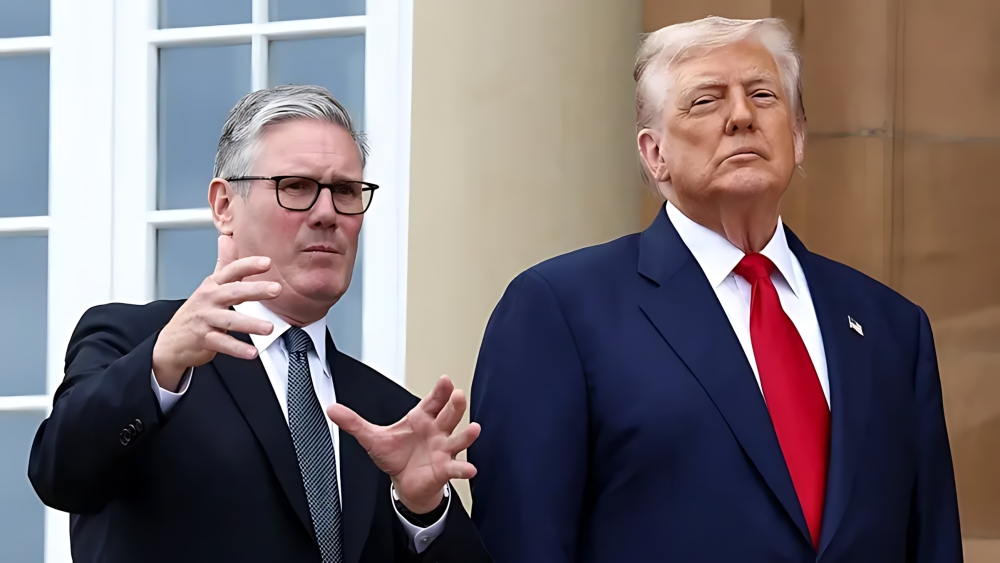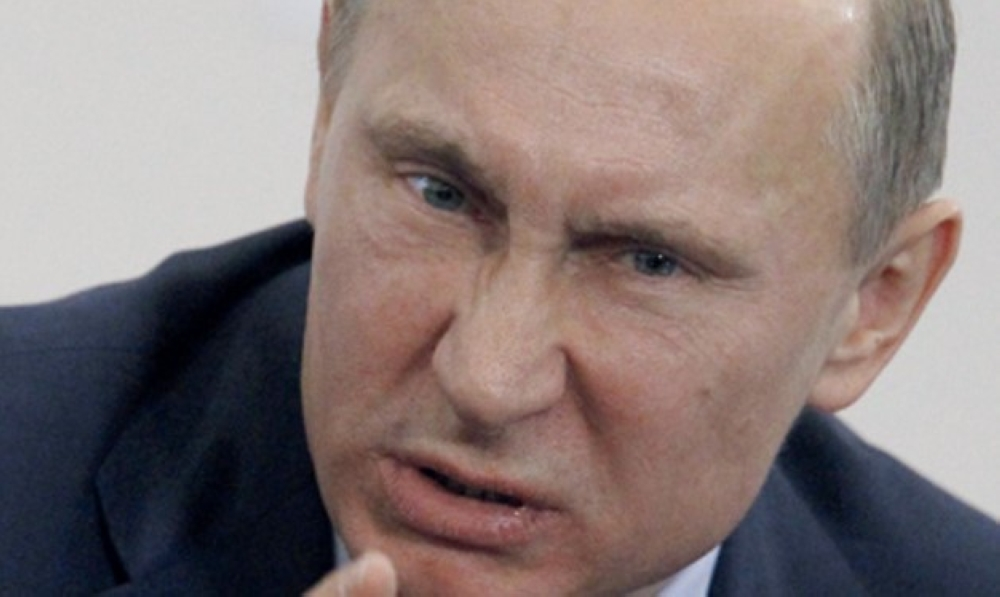
In a significant development that casts a shadow over the ongoing negotiations to end the conflict in Eastern Europe, US President-elect Donald Trump sharply criticized the attack on Russian President Vladimir Putin's residence, which Moscow has blamed on Kyiv. These remarks come at a highly sensitive time, as diplomatic efforts are intertwined with escalating violence on the ground, putting prospects for a peaceful resolution to a difficult test.
Details of the call and the Kremlin's anger
Speaking to reporters from his Mar-a-Lago residence in Florida, Donald Trump revealed that he had been in direct contact with the Russian president following the attack. Trump explained that Putin had personally informed him of the attack early that morning, describing the Russian president as "very angry." Trump emphasized that the timing of the attack was "completely inappropriate," especially given the ongoing efforts to end the Russian invasion of Ukraine. He pointed out that targeting high-ranking officials is fundamentally different from military operations on the front lines and constitutes a crossing of lines that could complicate the political landscape.
The security context and the risks of escalation
This incident gains significance from its occurrence at the height of diplomatic activity. Historically, attempts to target heads of state or their official residences in conventional warfare are considered a major escalation that could lead to unpredictable retaliatory actions. Observers believe that such attacks—which Kyiv officially denies responsibility for—could give Moscow a pretext to escalate its military operations or harden its negotiating stance, which explains Trump's concern about the incident's impact on the "sensitive period" of the talks.
The dilemma of security guarantees: 15 years or 50?
On the other side of the diplomatic equation, Ukrainian President Volodymyr Zelensky revealed details of the American offer presented to his country as a temporary or permanent alternative to immediate NATO membership. According to Zelensky, Washington proposed providing “robust” security guarantees for 15 years, renewable. However, the Ukrainian president, seeking to secure his country’s future against any future Russian threats, demanded a much longer period.
Following his meeting with Trump on Sunday, Zelensky stated, “I really want these guarantees to be longer-term. I raised the possibility of 30, 40, or even 50 years.” These guarantees are a cornerstone of any potential peace agreement, intended to reassure Kyiv that it will not be left alone in the event of renewed aggression—a model somewhat similar to the security arrangements between the United States and countries like Israel or South Korea.
Expected impact on the peace process
These rapid developments indicate that the path to ending the war remains fraught with obstacles. While Trump seeks a swift settlement, on-the-ground challenges (such as the attack on Putin's residence) and disagreements over the terms of the agreement (the duration of security guarantees) are emerging as key factors that will shape the region for decades to come. Washington's success in bridging the gap between Kyiv's security demands and Moscow's current anger will constitute a crucial turning point for global security.