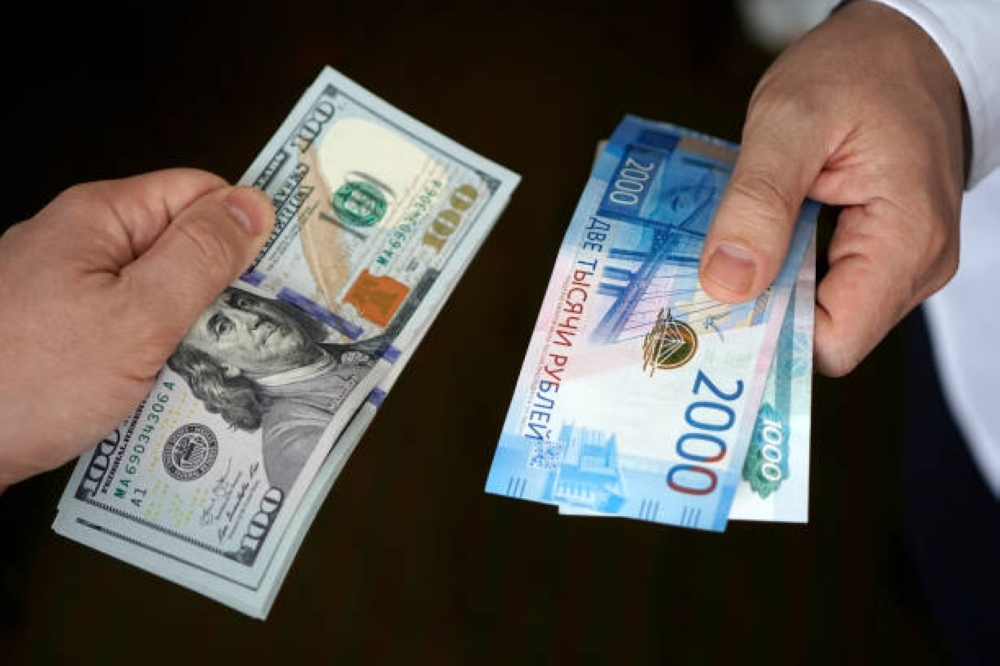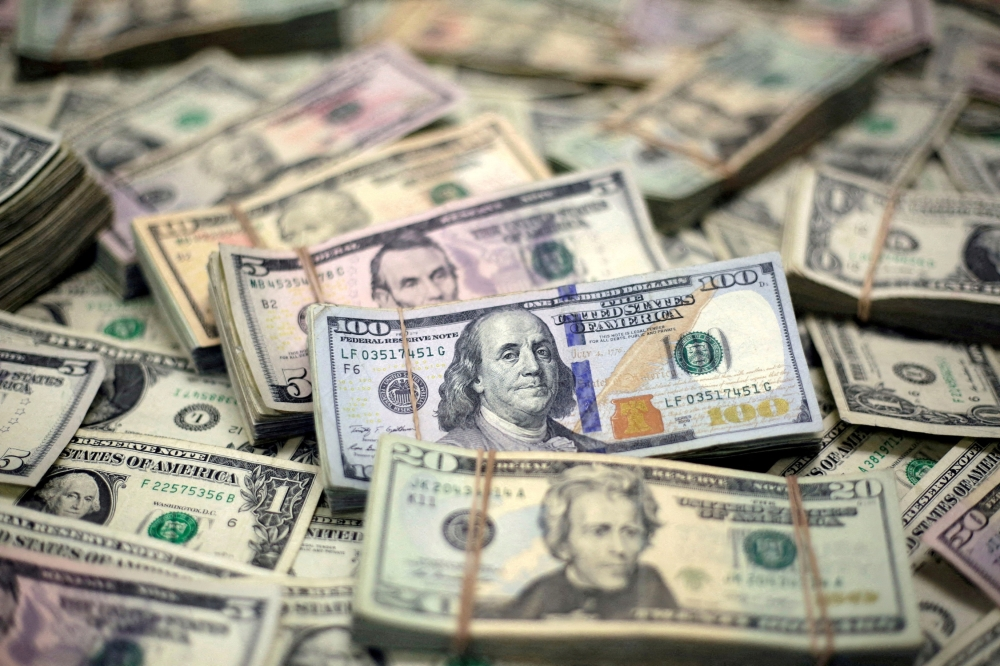
The US dollar experienced a sharp decline in global currency markets, suffering significant losses after comments by US President Donald Trump indicating he was not bothered by the greenback's weakness. These remarks triggered a widespread sell-off, pushing the dollar index to its lowest level in several years and boosting other major currencies and dollar-denominated commodities.
As a result of this decline, the euro managed to break through the $1.20 mark, a key psychological level reflecting a shift in market confidence. The Australian dollar also saw a significant rise, surpassing 70 US cents to reach its highest level in three years. Gold prices, which have an inverse relationship with the dollar, benefited from this weakness, rising sharply as investors sought the precious metal as a safe haven during times of economic and political uncertainty.
General context and “America First” policy
These developments come in the context of the Trump administration’s “America First” policy, which aims to reduce the US trade deficit. Trump has long argued that a strong dollar hurts US exports, making them more expensive in global markets and giving a competitive advantage to countries like China and Germany. By indicating his willingness to accept a weaker dollar, the president is signaling to markets that he may not intervene to support the currency, which is fueling the sell-off. This approach represents a departure from traditional US policy, which has always favored a strong dollar as a symbol of the strength of the American economy.
The importance of the event and its expected impact
The impact of a weaker dollar extends far beyond the currency markets. Domestically, a weaker dollar can boost the competitiveness of U.S. exporters, potentially supporting economic growth and job creation. However, it also increases the cost of imports, which U.S. consumers may feel through higher prices for imported goods and potentially lead to inflationary pressures.
Internationally, the decline in the dollar's value significantly impacts global economies, given its status as the world's primary reserve currency. Countries holding substantial dollar reserves will experience a decrease in the value of these assets. Furthermore, a weaker dollar makes it easier for borrowing countries and companies to repay dollar-denominated debts. Conversely, this situation may prompt some central banks worldwide to reassess their monetary policies to prevent their currencies from appreciating excessively against the dollar, potentially leading to what are known as "currency wars.".
Await the Federal Reserve meeting
Investors are now focused on the Federal Reserve meeting. While expectations point to interest rates remaining unchanged, markets will be closely watching the tone of the Fed's statement and how Chairman Jerome Powell handles mounting political pressure. Any indication from the Fed regarding the future course of monetary policy, or any comment on its independence, will have a direct impact on the dollar and financial markets in the coming period.