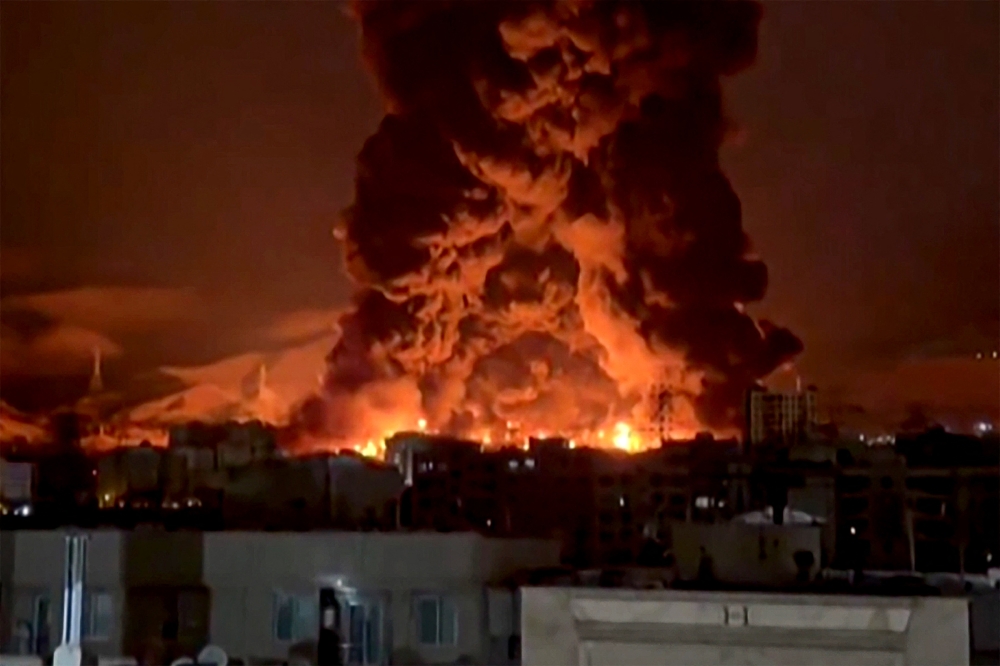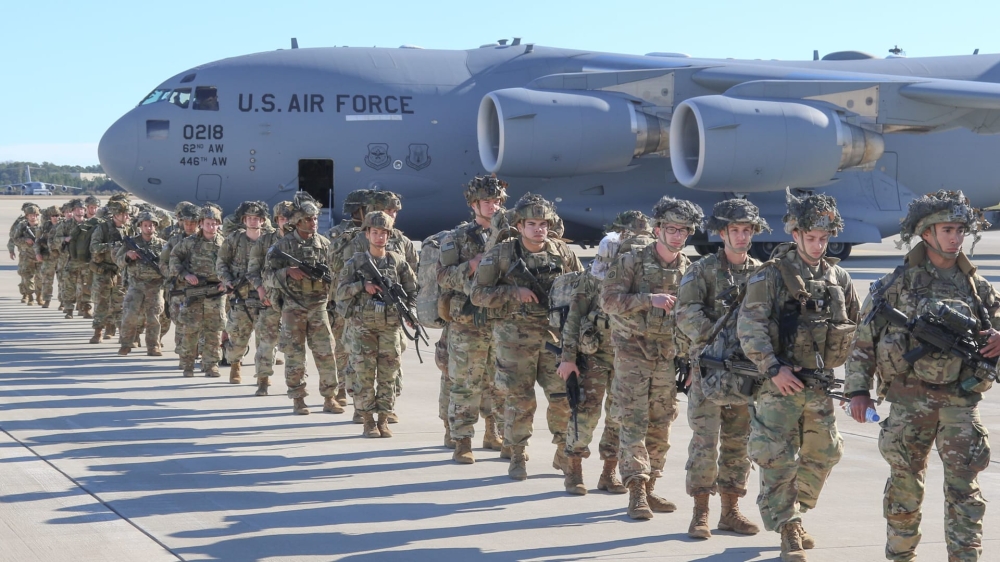
In recent remarks, US President Donald Trump asserted that regime change in Iran is already underway, issuing a stark warning to Tehran that military strikes could resume if ongoing talks between the two sides fail. These statements come at a time of unprecedented tension in US-Iranian relations, placing the entire region on a knife's edge.
Roots of tension: A long history of escalation between Washington and Tehran
To understand the current situation, one must consider the historical context of relations between the two countries, which have been characterized by hostility for decades. In recent years, the US withdrawal from the nuclear agreement in 2018 marked a pivotal turning point, as Washington reinstated crippling economic sanctions as part of its “maximum pressure” strategy. This strategy aims to compel Tehran to return to the negotiating table to forge a new and more comprehensive agreement that addresses not only the nuclear program but also Iran’s ballistic missile program and regional influence in the Middle East.
Conditions for negotiation and efforts to change the regime in Iran
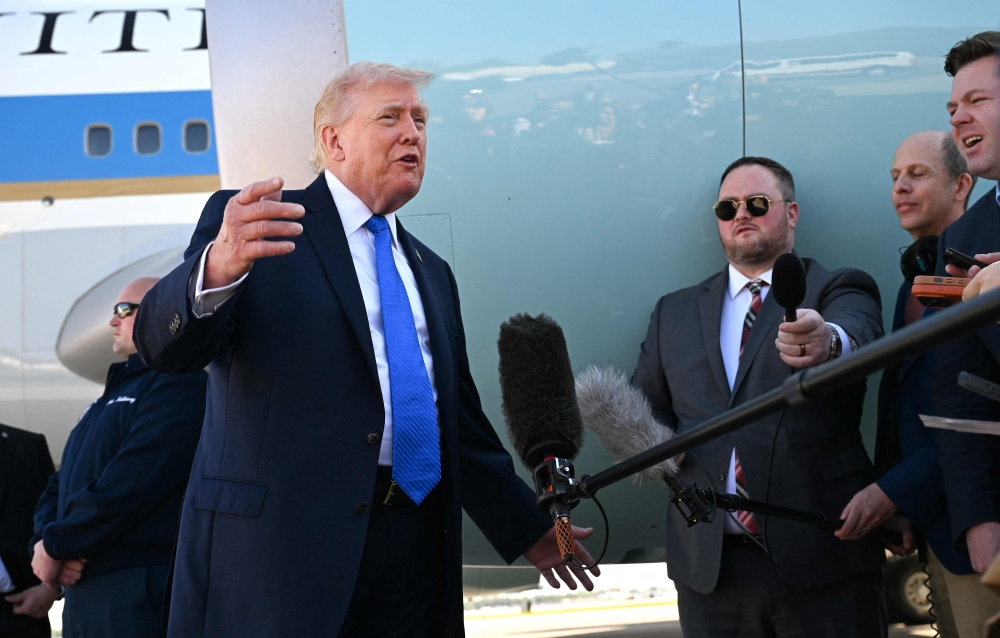
Speaking to reporters in Florida before boarding his plane to Memphis, Tennessee, Trump added that there were “key points of agreement” in the talks he announced between the United States and Iran. The US president stressed that Tehran must completely abandon its nuclear ambitions and surrender its stockpile of enriched uranium.
In discussing regime change in Iran , Trump indicated that talks—which Iranian state media denied were taking place—were being held with an unnamed “senior official,” clarifying that this was not the new Supreme Leader, Ayatollah Mojtaba Khamenei. “We are dealing with the man I think is the most respected leader” in Iran, Trump said, adding explicitly, “We want to stop the uranium enrichment, but we also want the enriched uranium,” a direct reference to the need to seize or neutralize Tehran’s current stockpile.
Regional and international repercussions of the complex Iranian landscape
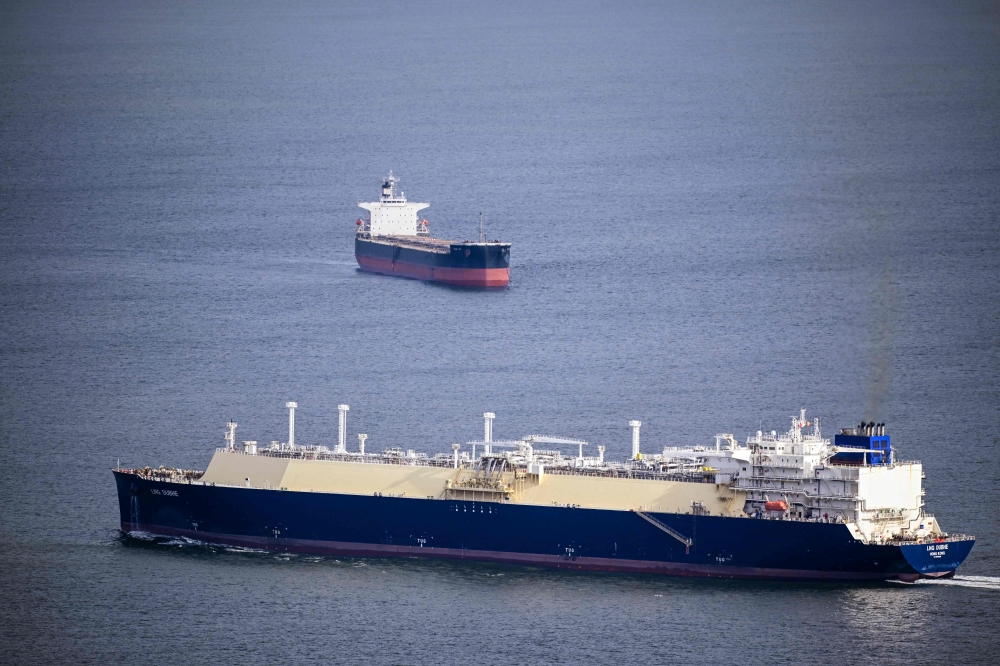
These developments and the firm stance of the United States have far-reaching implications at both the regional and international levels. Regionally, Washington's allies in the Middle East are closely monitoring these developments, as Iranian policies and interventions in neighboring countries are a constant source of concern for Arab national security. Any political shift or military escalation will directly affect the security of navigation in the Strait of Hormuz, through which a significant portion of the world's oil supply passes, potentially leading to sharp fluctuations in energy markets.
On the international stage, major powers are watching the situation very closely. European countries typically seek diplomatic solutions to avoid a full-blown conflict in the Middle East that could trigger global economic crises. The threat of military force as an alternative to failed diplomacy presents the international community with extremely complex security and political challenges, making the current negotiation process crucial for determining the future stability of the region.