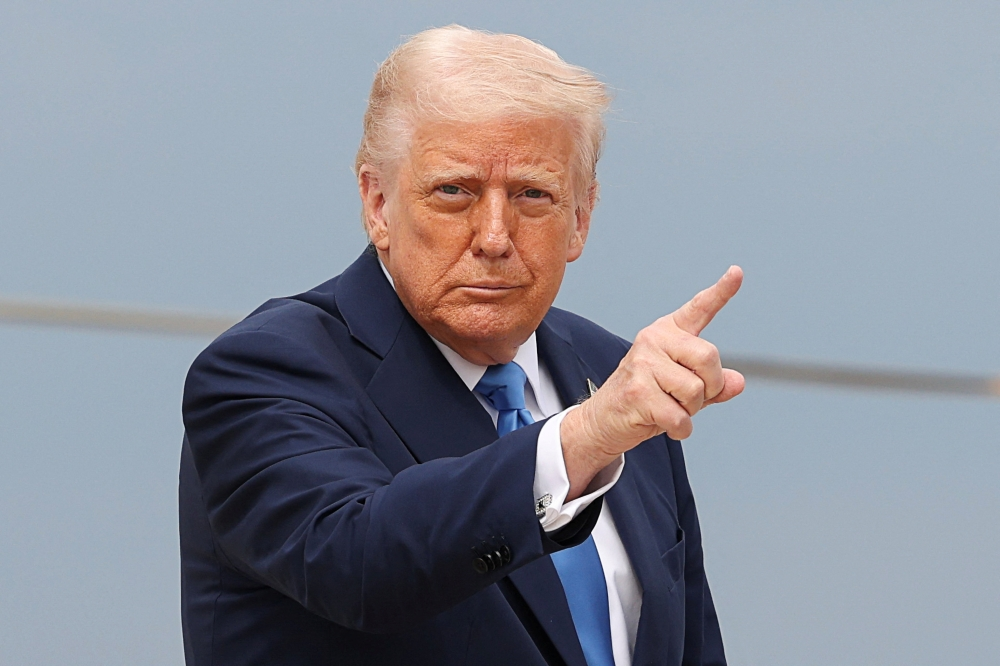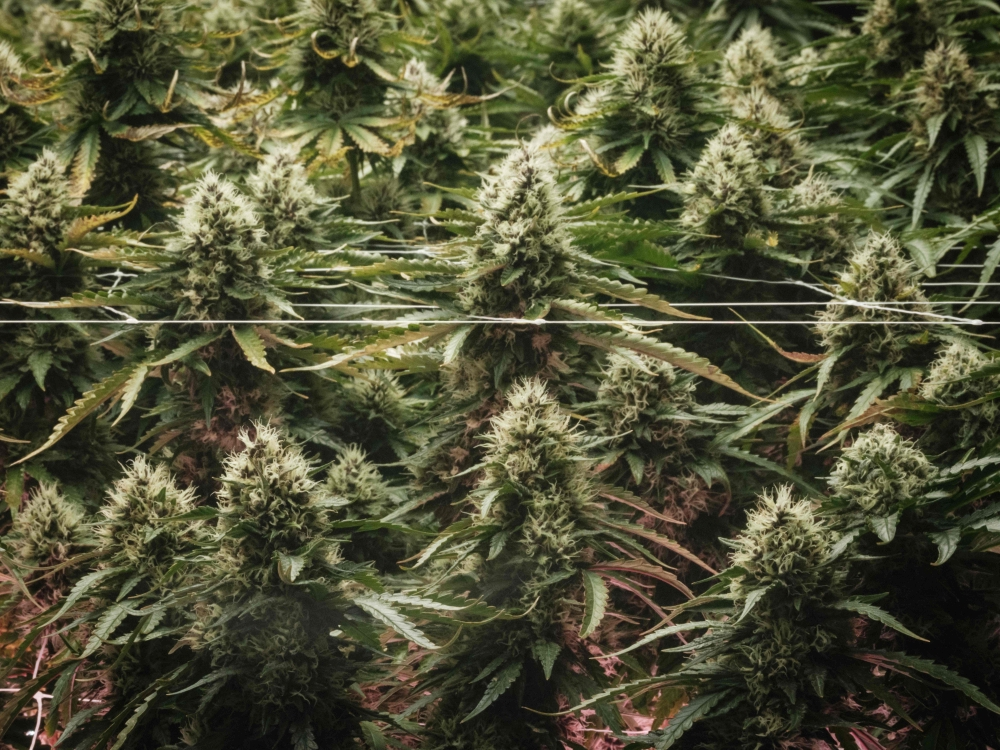
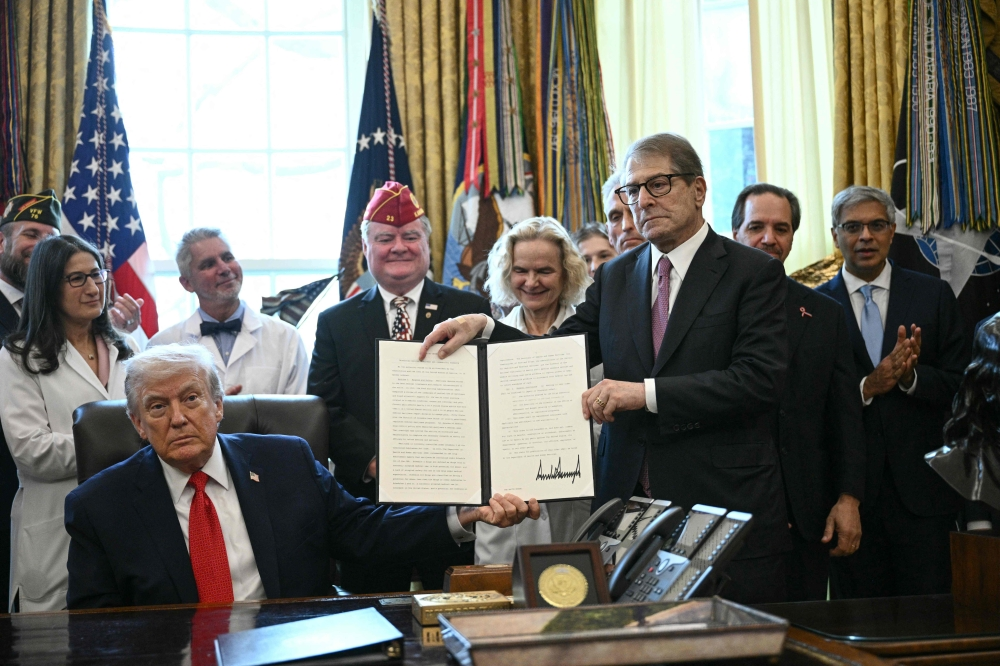
In a move representing a radical shift in US policy toward controlled substances, President Donald Trump announced on Thursday an executive order reclassifying marijuana (cannabis) as a "less dangerous" narcotic. This landmark decision primarily aims to remove bureaucratic obstacles for the scientific community, paving the way for advanced medical research into the therapeutic uses of cannabis products—a long-awaited demand from health and research institutions across the United States.
Under this presidential directive, marijuana will be removed from Schedule I of the Controlled Substances Act, the category that includes the most dangerous drugs with no recognized medical value, such as heroin and LSD. Instead, it will be moved to a less restrictive category (Schedule III), placing it alongside drugs and substances like ketamine, certain codeine-containing painkillers, and anabolic steroids, which are recognized for their medical benefits and have a lower potential for addiction than Schedule I substances.
Historical context and the end of a long-standing ban
This decision addresses a decades-long inconsistency in U.S. policy. Since the Controlled Substances Act of 1970, the federal government had classified marijuana in the same category as heroin, making federally approved clinical research virtually impossible due to stringent security and logistical restrictions. This outdated classification was increasingly at odds with reality, as dozens of U.S. states legalized marijuana for medical, and in some cases recreational, use, creating a significant legal gap between local and federal laws.
Focus on medical, not recreational use
In his remarks from the White House, President Trump was careful to clarify the limits of this decision, emphasizing that this step "does not in any way authorize the use of marijuana as a recreational drug at the federal level." He stressed that the ultimate goal is to make this substance more readily and safely available "for legitimate medical uses," especially for people suffering from serious illnesses such as cancer, epilepsy, and chronic pain, for whom preliminary studies have shown potential benefit from cannabis compounds.
Trump added, explaining the humanitarian aspect of the decision: "There are people begging me to do this. People who are in excruciating pain and aren't finding relief from their suffering with conventional medicine." This statement reflects growing pressure from patient and veterans' advocacy groups who have been calling for years for easier access to cannabis treatment.
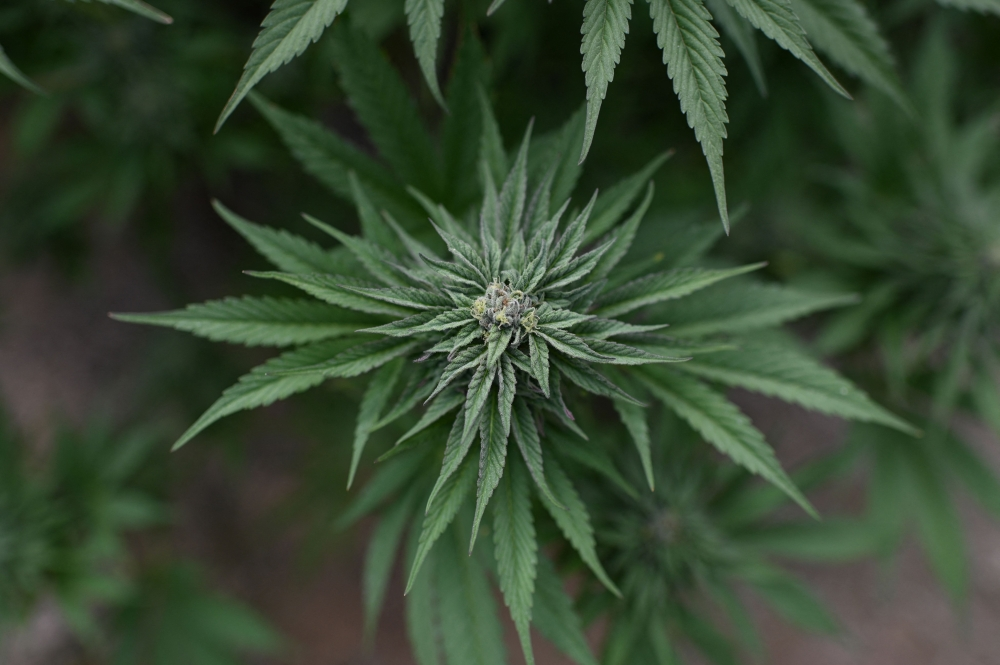
A strong boost to scientific research and the economy
The president noted that "this decision will greatly facilitate the resumption of medical research related to marijuana, allowing us to study its potential benefits, risks, and future treatments with scientific rigor. This will have a tremendous positive impact on public health." Moving marijuana to Schedule III will remove many of the barriers that have prevented universities and pharmaceutical companies from conducting large-scale clinical trials, as obtaining licenses for clinical studies on Schedule I substances requires complex approvals from the Drug Enforcement Administration (DEA) and the Food and Drug Administration (FDA) that can take years.
Furthermore, this decision has significant economic implications; legal cannabis companies in states that have legalized it suffer from substantial tax burdens under federal law (Title 280E of the Internal Revenue Code), which prohibits companies dealing in Schedule I and II substances from deducting ordinary business expenses. Reclassification to Schedule III could alleviate these burdens, thereby boosting investment in the cannabis-derived pharmaceutical sector.
Compliance with local laws
It is worth noting that the United States is undergoing significant demographic and legislative changes in this area. Dozens of states have legal programs for medical marijuana, and many, including major states like California and Colorado, have also approved its recreational use. Trump's move is seen as an attempt to bridge the gap between state legislation and the previously strict federal stance, paving the way for greater legal harmonization and the development of new treatments that could transform the lives of millions.