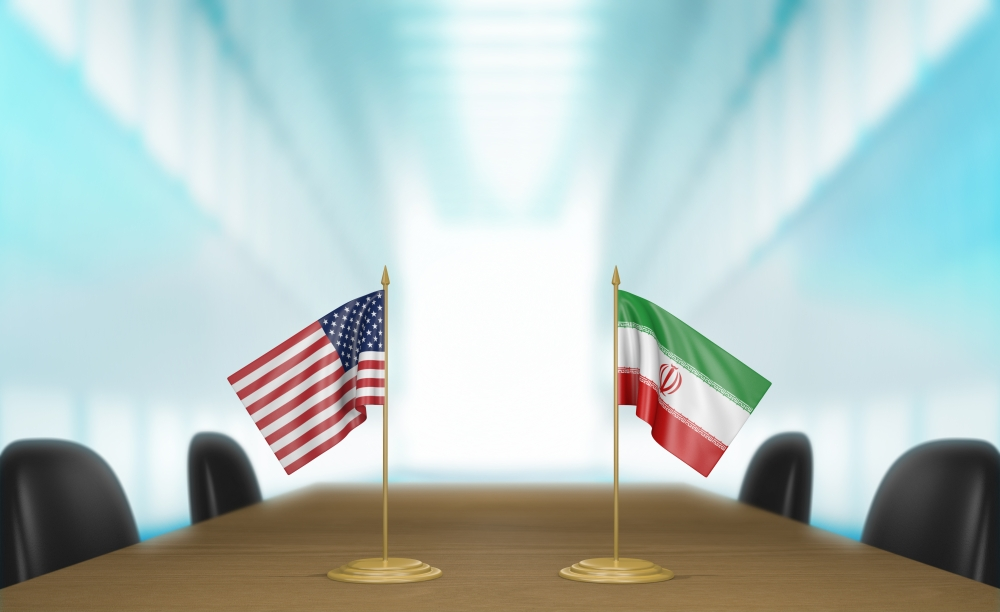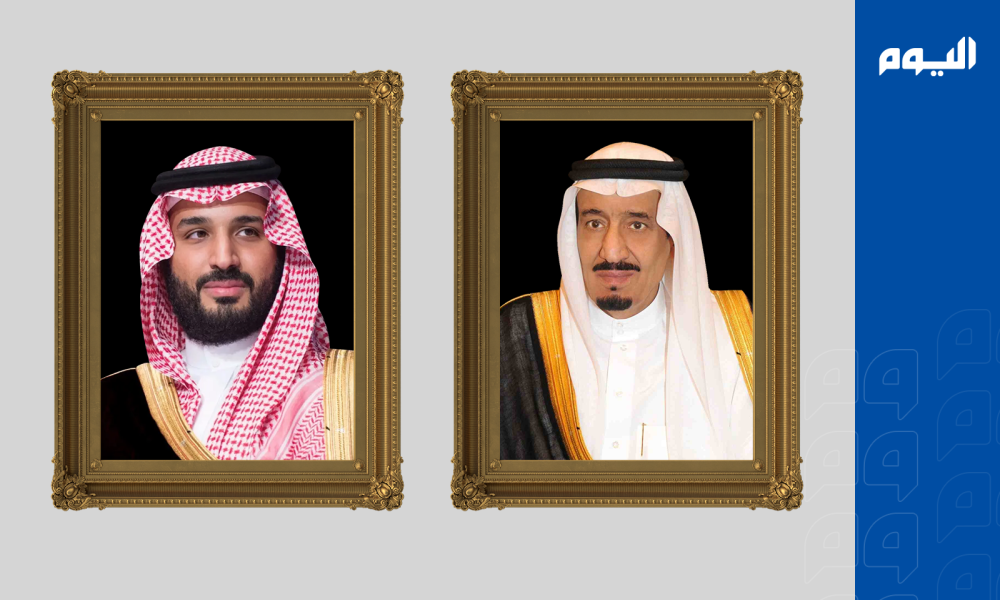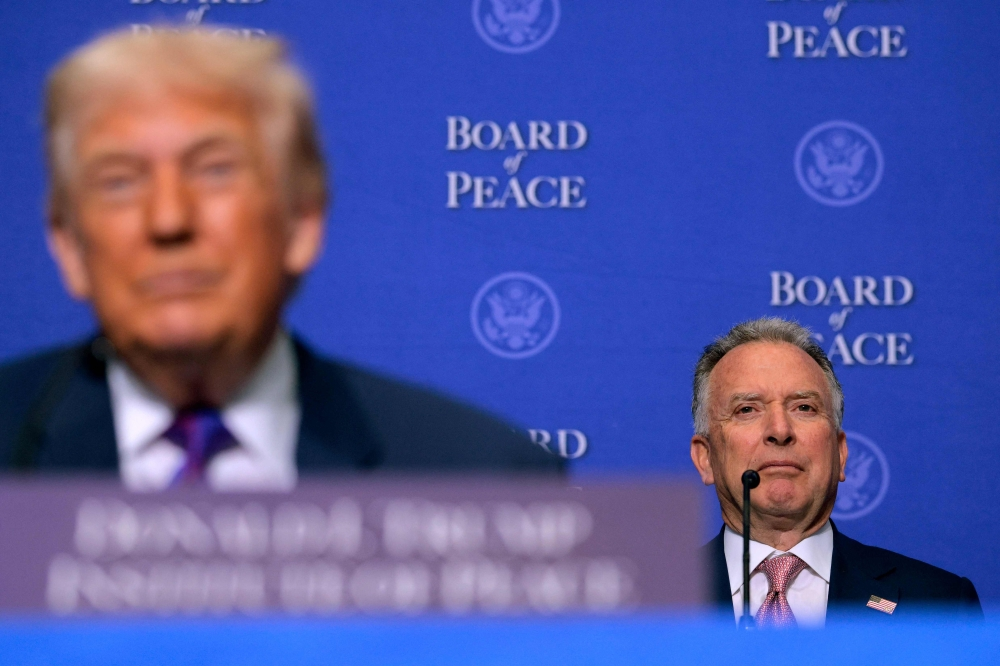
Businessman Steve Witkoff, a close associate of former US President Donald Trump, relayed the latter's surprise at Iran's refusal to "succumb" to the "maximum pressure" campaign imposed by his administration. In an interview with Lara Trump on Fox News, Witkoff explained that the president wondered why Tehran hadn't come to the negotiating table on American terms, despite the military buildup and unprecedented economic sanctions.
Context of the crisis: Withdrawal from the nuclear agreement
The roots of this tension go back to May 2018, when President Trump announced the United States' withdrawal from the Joint Comprehensive Plan of Action (JCPOA), commonly known as the Iran nuclear deal, which was signed in 2015 between Iran and the P5+1 group. The Trump administration described the agreement as "disastrous," arguing that it failed to address Iran's ballistic missile program or its regional influence. Subsequently, Washington reinstated harsh economic sanctions that had been lifted under the agreement, targeting vital sectors such as oil and banking, in a strategy dubbed the "maximum pressure campaign" aimed at forcing Iran to negotiate a new, more comprehensive agreement.
Tensions escalate in the Gulf
The maximum pressure campaign did not bring Iran back to the negotiating table immediately; instead, it was met with a policy of “maximum resistance” from Tehran. The region witnessed a dangerous escalation, with Washington deploying the aircraft carrier USS Abraham Lincoln and its strike group to the Middle East. A series of incidents followed, including attacks on oil tankers in the Gulf of Oman and Iran’s downing of a US drone over the Strait of Hormuz in June 2019, which prompted Trump to order a military strike against Iran before calling it off at the last minute. These developments brought the region to the brink of direct military confrontation, sparking widespread international concern.
Regional and international importance and impacts
Trump’s pronouncements and strategy had profound repercussions on multiple levels. Domestically , the sanctions led to a collapse in the value of the Iranian currency and soaring inflation and unemployment rates, exacerbating the suffering of the Iranian people and sparking internal protests. Regionally , the escalation heightened instability in the Middle East, with Washington’s Gulf allies feeling directly threatened, while Iran intensified its support for its proxies in the region. The crisis also threatened the security of navigation in the Strait of Hormuz, through which a fifth of the world’s oil supply passes. Internationally , the American move created a rift with European allies (France, Germany, and Britain) who had tried to salvage the nuclear agreement, weakening the unified international front against Iran.
Amid this escalation, there were tentative diplomatic efforts, such as mediation led by the Sultanate of Oman and indirect talks held in Geneva, but these failed to achieve any significant breakthrough. Witkoff's statements reveal the mindset of the Trump administration, which believed that economic and military pressure would be sufficient to bring Tehran to its knees, ignoring Iran's internal political calculations and its doctrine of resistance to external pressure. This explains the president's surprise at the failure to achieve the desired "surrender.".