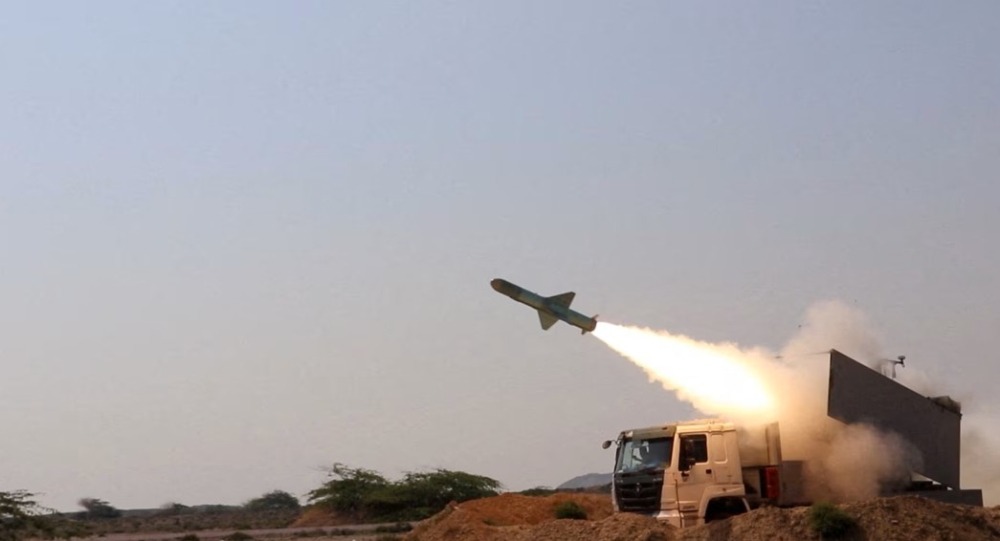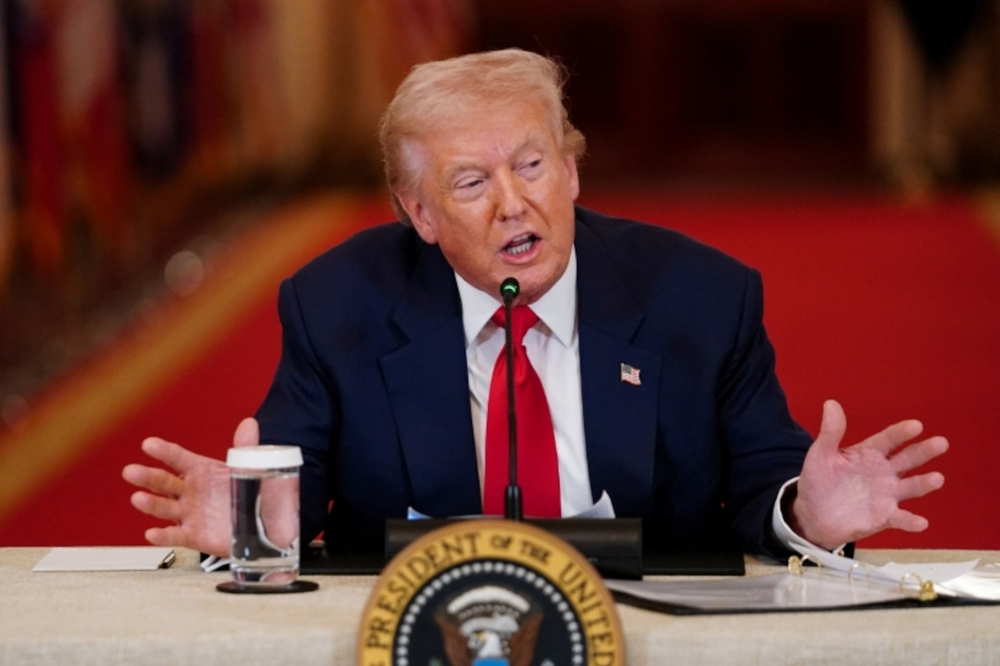
US President Donald Trump announced a surprise decision regarding the US diplomatic agenda, confirming that he had requested a postponement of his official visit to China for approximately one month. This important visit had been scheduled to take place from March 31st to April 2nd. Speaking to reporters on Monday from the Oval Office, Trump explained that the primary reason for the postponement was the urgent need to remain in Washington to monitor the rapidly evolving military situation and the ongoing war in the Middle East. He emphasized, however, that bilateral relations with Beijing remained "very good."
The strategic motives behind postponing Trump's visit to China
to postpone Trump's visit to China was not made in a vacuum, but rather in response to the complexities of the global political and military landscape. Historically, the Trump administration has been characterized by escalating tensions in the Middle East, particularly with Washington's adoption of a "maximum pressure" policy toward Tehran. This period has witnessed a significant escalation, including persistent threats to maritime traffic in the strategic Strait of Hormuz, a vital artery for global energy supplies. The president's presence in Washington allows him to make swift and decisive decisions in coordination with military leaders, especially given reports indicating an escalation in clashes and their impact on US forces in the region. This makes managing this crisis a top priority, currently superseding any other diplomatic commitments.
The repercussions of military escalation on regional balances
This postponement carries profound implications both domestically and regionally. Domestically, Trump is sending a reassuring message to the American public that the administration prioritizes the security of US forces and national interests abroad, particularly given reports of casualties among American military personnel resulting from ongoing military operations. Regionally, the US administration's focus on the Middle East sends a firm message to both allies and adversaries, underscoring Washington's commitment to protecting the security of the Arabian Gulf and ensuring the stability of maritime navigation. This intensified focus could lead to a reshaping of strategic alliances in the region and may pave the way for new military or diplomatic measures aimed at containing the escalation and preventing the region from sliding into a full-blown war.
Economic and political impacts on the international stage
At the international level, the potential repercussions of postponing the US-China summit cannot be ignored. The world is constantly monitoring the trajectory of relations between the world's two largest economies, and any delay in face-to-face meetings between the two countries' leaders could unsettle global financial markets, which are highly sensitive to trade and tariff issues. Nevertheless, Trump was careful to emphasize that relations with Beijing are "very good," a statement clearly intended to mitigate any potential economic shocks and reassure investors that the postponement stems from urgent security concerns rather than a deterioration in bilateral relations. This complex interplay between managing a protracted military crisis in the Middle East and maintaining a delicate balance in diplomatic and trade relations with China reflects the magnitude of the challenges facing US policymakers in balancing national security and strategic economic interests on the international stage.