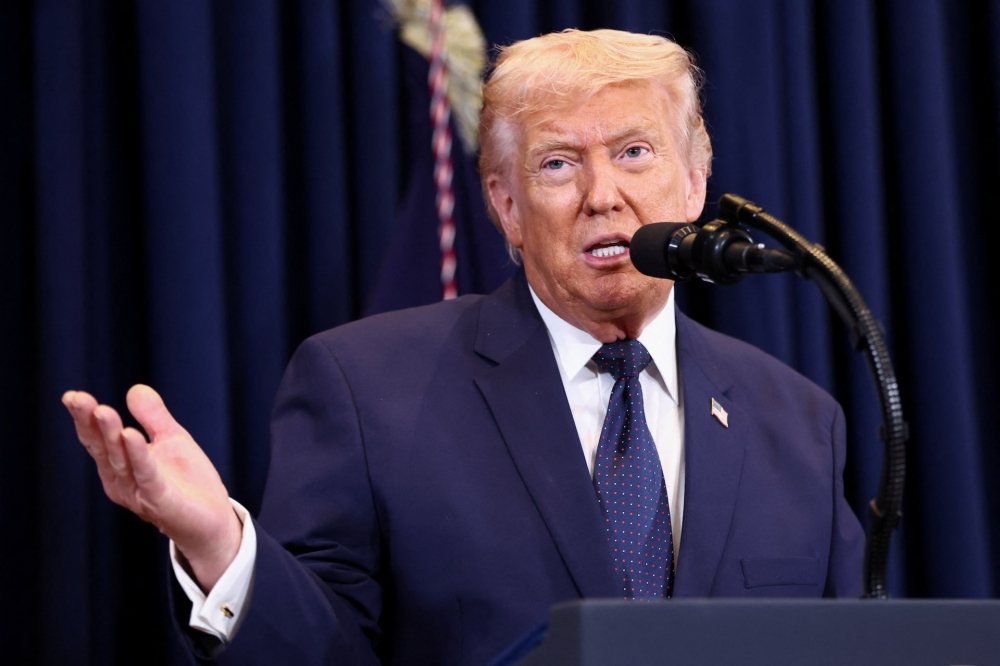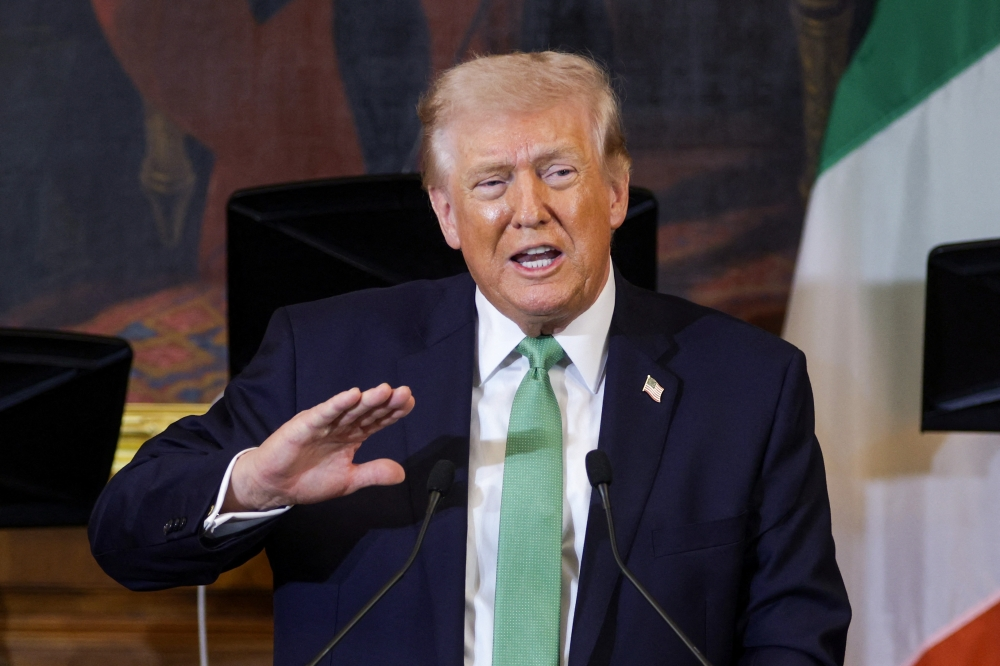
US President Donald Trump launched a scathing attack on Washington's allies, describing the refusal of several NATO countries to help the United States secure the Strait of Hormuz as a "stupid mistake." These remarks come amid threats to close the vital waterway due to Iranian attacks and escalating tensions, coinciding with intensifying military and political conflicts in the Middle East, particularly in light of military operations involving the United States and Israel.
The strategic and historical importance of the Strait of Hormuz
The Strait of Hormuz is one of the world's most strategically important waterways, connecting the Persian Gulf, the Gulf of Oman, and the Arabian Sea. Historically, this strait has played a pivotal role in global trade, particularly in the transport of energy supplies. Approximately one-fifth of the world's daily oil consumption passes through this narrow strait, making it a vital artery for the global economy. Any threat to or closure of this waterway would have immediate repercussions on global energy markets, leading to sharp fluctuations in oil prices and negative impacts on major economies dependent on these supplies.
For decades, the United States and its Western allies have borne the responsibility of protecting freedom of navigation in this waterway to prevent international economic crises. However, shifts in international politics and changes in strategic alliances have made securing this passage a point of contention among major powers, as clearly demonstrated by Trump's recent criticism of his NATO allies.
The repercussions of regional tensions on international alliances
In a related development, Trump stated from the Oval Office, “I think NATO is making a really stupid mistake.” These remarks followed his assertion on his social media platform, Truth Social, that the United States no longer urgently needs allies’ assistance to secure this strategic corridor for the global economy, indicating Washington’s ability to handle threats independently.
Trump's criticism wasn't limited to NATO as a whole; it extended to specific leaders. He asserted that British Prime Minister Keir Starmer had made the "wrong choice" by not providing sufficient support to Washington amidst the ongoing conflicts in the Middle East. Trump elaborated, saying, "He hasn't been supportive, and I think that's a big mistake. I'm not happy with Keir. I like him, and I think he's a nice guy, but I'm not happy with his recent stance." This divergence in positions reflects the profound regional and international impact of current events, where national interests intersect with alliance commitments.
Internal disagreements over the security of the Strait of Hormuz and foreign policy
Domestically, these tensions have cast a shadow over security and political institutions. The US president addressed the resignation of the director of the National Counterterrorism Center, Joseph Kent, which came in protest against policies pursued in the conflict with Iran. Trump considered this resignation a "good thing" for the US administration.
Trump told reporters at the White House, commenting on the resignation, “I always thought he was weak on security, very weak.” He added that upon reading the resignation statement, he immediately realized that leaving his post was in the best interest of national security. These developments highlight the extent of the divisions regarding how to address the threats facing the Strait of Hormuz and the Middle East, and underscore that the repercussions of this crisis extend beyond regional boundaries, impacting the stability of international alliances and the structure of security decision-making in the United States.