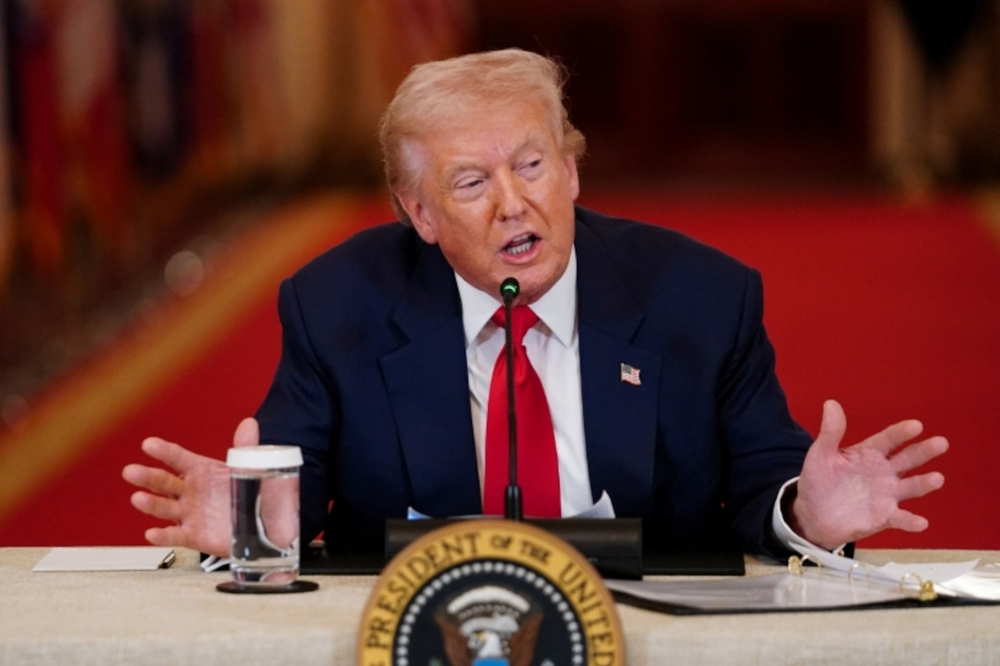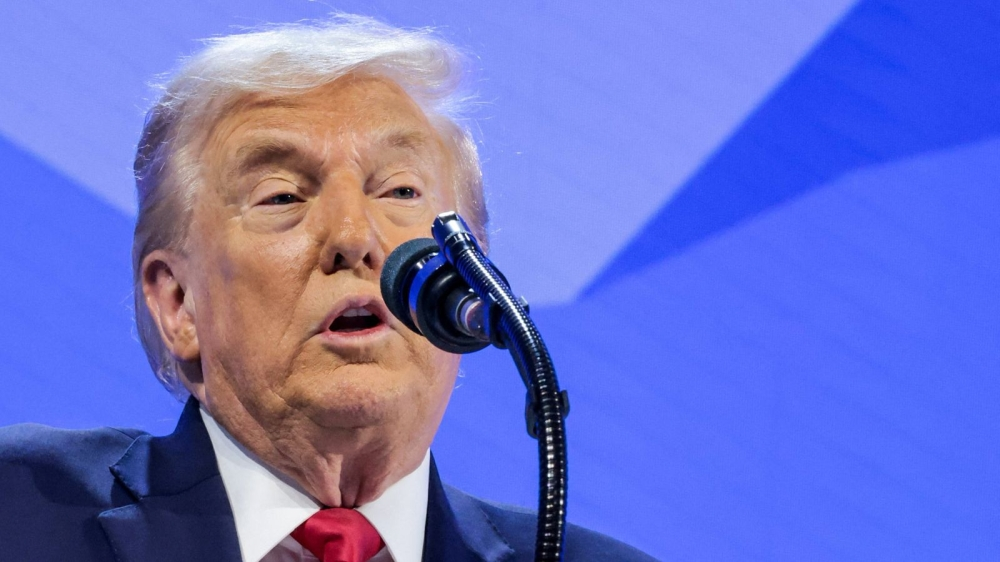
In controversial remarks reflecting his "America First" approach, US President Donald Trump renewed his call for European countries and NATO to take full responsibility for the Ukrainian issue, arguing that the United States is bearing pointless burdens in a conflict thousands of miles away.
During his address to political and economic elites at the Davos Economic Forum, Trump questioned the benefit Washington derives from its involvement in the conflict, asking rhetorically, "What does the United States gain from all this work, from all this money, except death, destruction, and enormous sums of money?" The US president indicated that these resources are going to parties that do not appreciate American efforts, adding bluntly, "I'm talking about NATO, I'm talking about Europe. They should be handling Ukraine, not us.".
Geographical distance and the policy of isolation
Trump based his argument on geographical distance as a key factor in disengaging from the issue, pointing to the "large ocean" separating the United States from the conflict zone, which, in his view, makes the matter a purely European affair. These statements are consistent with the general context of Trump's foreign policy, which has long criticized what he calls the "free-riding" of European allies at the expense of American taxpayers, and his persistent demands for NATO members to increase their defense spending to 2% of GDP.
Conflicting reports about Zelensky's meeting
On the sidelines of the forum, some confusion surrounded the schedule for the anticipated meeting between Trump and his Ukrainian counterpart, Volodymyr Zelensky. After initially indicating the meeting would take place on Wednesday, Trump later corrected himself in front of reporters, suggesting it would be held on Thursday. Meanwhile, the Ukrainian presidency added to the confusion by stating that Zelensky was "in Kyiv," not Switzerland, raising questions about protocol coordination between the two sides.
Ukrainian fears of declining international interest
In a related context, the Ukrainian side does not conceal its concern about the diversion of international attention. President Zelenskyy expressed his apprehension that the media and political controversy sparked by Trump's desire to "buy Greenland" would overshadow the Ukrainian issue. Observers consider these concerns legitimate, as Ukraine is facing a large-scale war that requires sustained international support, and officials in Kyiv fear that their country will become a bargaining chip or a secondary issue amidst the internal political wrangling in Washington and the shifting agendas of the White House.
These statements demonstrate the continuing gap in visions between Washington and its European allies regarding the concept of collective security, and present the Old Continent with real challenges to strengthening its strategic independence should the United States decide to reduce its traditional role as protector of European security.