في خطوة أثارت الكثير من التساؤلات في الأوساط السياسية الدولية، أكد الرئيس الأمريكي السابق دونالد ترامب إجرائه مكالمة هاتفية مع الرئيس الفنزويلي نيكولاس مادورو. وجاءت هذه المكالمة في ذروة التوتر بين واشنطن وكاراكاس، حيث اتهم مادورو الإدارة الأمريكية باستغلال عمليات مكافحة تهريب المخدرات كذريعة لنشر قوات عسكرية في البحر الكاريبي بهدف الإطاحة بحكومته. وعندما سُئل ترامب عن تفاصيل المحادثة، التي كشفت عنها صحيفة “نيويورك تايمز” لأول مرة، اكتفى بتعليق غامض قائلاً: “لا أستطيع أن أقول إن سارت بشكل جيد أو سيئ، لقد كانت مكالمة هاتفية”.
سياق متوتر وخلفية تاريخية
لم تكن هذه المكالمة حدثاً معزولاً، بل جاءت ضمن سياق سياسة “الضغط الأقصى” التي انتهجتها إدارة ترامب تجاه فنزويلا. فمنذ عام 2019، لم تعترف الولايات المتحدة بشرعية مادورو كرئيس بعد الانتخابات الرئاسية التي اعتبرتها مزورة، وبدلاً من ذلك، اعترفت بزعيم المعارضة خوان غوايدو رئيساً مؤقتاً للبلاد. وقد فرضت واشنطن سلسلة من العقوبات الاقتصادية الشديدة على فنزويلا، استهدفت قطاع النفط الحيوي ومسؤولين حكوميين، بهدف شل قدرة نظام مادورو على الحكم وإجباره على التنحي.
تصعيد في الكاريبي وردود فعل إقليمية
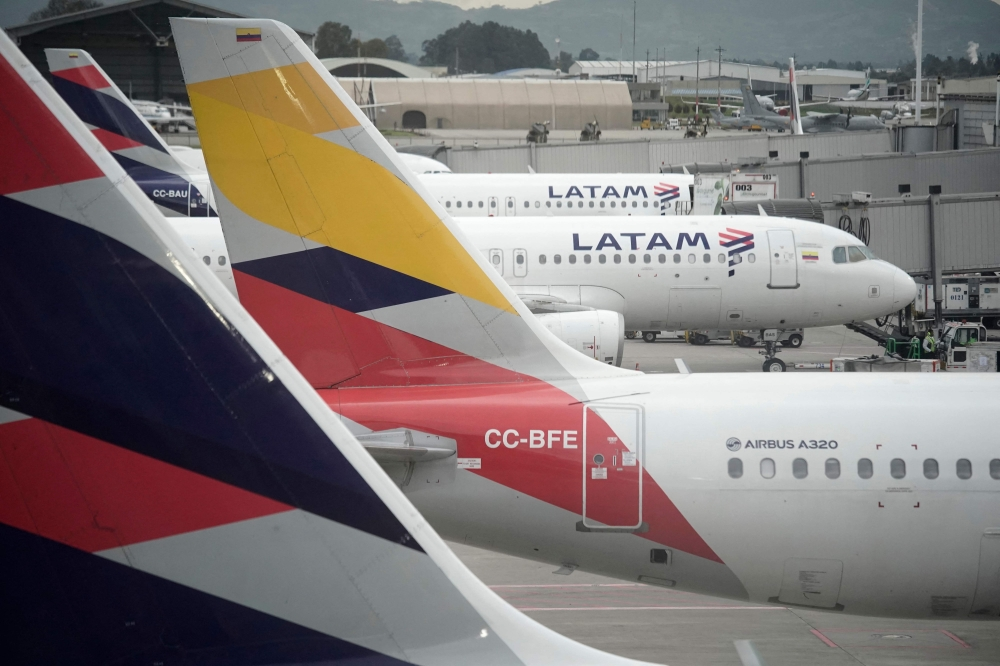
تزامن هذا الاتصال مع تصعيد لافت تمثل في إعلان ترامب أن المجال الجوي لفنزويلا يجب اعتباره “مغلقاً بالكامل”، وهو ما تزامن مع تكثيف الوجود العسكري الأمريكي في منطقة البحر الكاريبي. وقد أثار هذا الإعلان ردود فعل غاضبة، حيث وصفته حكومة كاراكاس بأنه “تهديد استعماري” يمس سيادة البلاد بشكل مباشر. وعلى الصعيد الإقليمي، انتقد الرئيس الكولومبي آنذاك، جوستافو بيترو، هذا الموقف بشدة، متسائلاً عن الأساس القانوني الذي يتيح لرئيس دولة إغلاق المجال الجوي لدولة أخرى ذات سيادة. وقال بيترو، دون أن يذكر ترامب بالاسم: “أود أن أعرف بموجب أي قاعدة من قواعد القانون الدولي يُمكن لرئيس دولة ما إغلاق المجال الجوي لدولة أخرى؟”، مما يعكس قلق دول الجوار من تداعيات أي تدخل عسكري محتمل.
الأهمية والتأثيرات المحتملة
تكمن أهمية هذه المكالمة في أنها شكلت قناة اتصال مباشرة ونادرة بين خصمين لدودين. على المستوى المحلي في فنزويلا، ربما استغلها نظام مادورو لإظهار قدرته على التحاور مع واشنطن رغم العداء المعلن، بينما أثارت قلق المعارضة من احتمالية عقد صفقة تتجاوزها. دولياً، أظهرت المكالمة الطبيعة غير التقليدية لدبلوماسية ترامب، التي كانت تميل إلى التواصل المباشر حتى مع الخصوم. ورغم أن المكالمة لم تسفر عن نتائج ملموسة، إلا أنها بقيت فصلاً غامضاً في تاريخ العلاقات الأمريكية الفنزويلية المتأزمة، وتذكيراً بأن قنوات الاتصال الخلفية قد تظل مفتوحة حتى في أشد أوقات الخصومة.