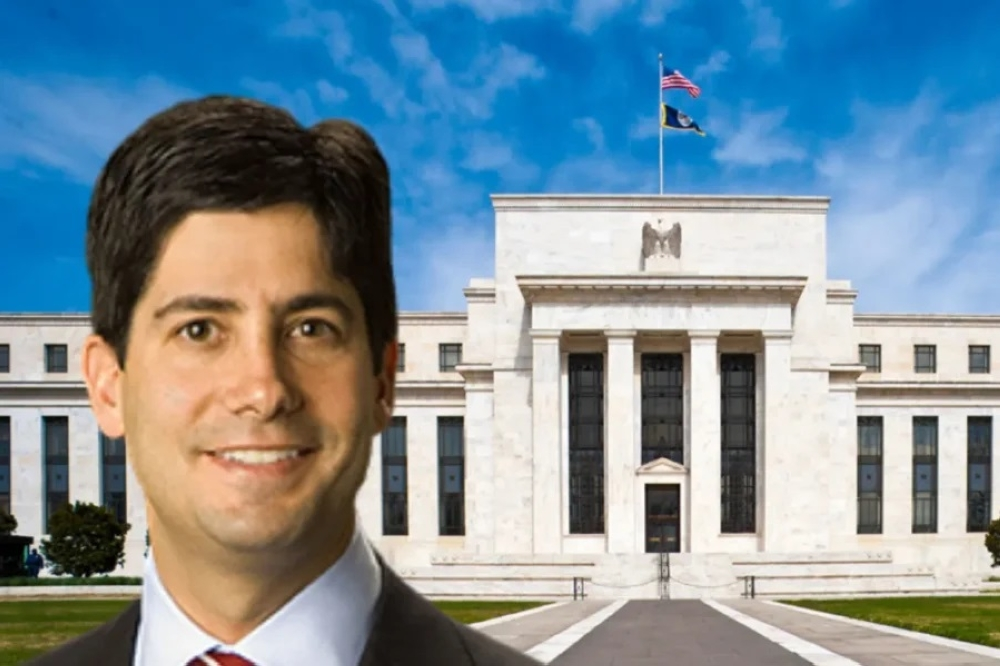
Former US President Donald Trump has confirmed that his expected choice of Kevin Warsh to head the US Federal Reserve is contingent on the latter adopting a monetary policy that supports lowering interest rates, in a statement that again reflects his direct interference in the central bank's policies, which are supposed to be independent.
In a recent interview with NBC News, Trump stated unequivocally that he would not have chosen Warsh for this sensitive position had he not been aligned with his economic vision. He added, "Warsh understands my desire to lower interest rates, but I think he wants that anyway." Trump described current interest rates as "too high," emphasizing that any candidate seeking to raise them would not have his support.
Background to the conflict between the presidency and federal independence
Historically, the Federal Reserve (Fed) a cornerstone of U.S. economic stability, operating under a dual mandate: maximizing employment and maintaining price stability. To achieve these goals, it has been granted complete independence from direct political pressure from the White House and Congress. This principle aims to ensure that monetary decisions are based on objective economic data and not on short-term political gains.
However, Trump's presidency saw a departure from this tradition, as he repeatedly and publicly criticized the current Federal Reserve chairman, Jerome Powell, whom he himself appointed, for not cutting interest rates as quickly and forcefully as he would have liked to boost economic growth.
The importance of interest rates and their global impact
Interest rate decisions made by the US Federal Reserve are among the most important economic indicators globally, not just domestically. Domestically, lowering interest rates reduces borrowing costs for businesses and consumers, encouraging investment and spending and supporting stock markets. Conversely, raising interest rates aims to curb inflation and cool an overheated economy.
Internationally, the Federal Reserve's policies directly impact the value of the US dollar, the world's primary reserve currency. Interest rate cuts can weaken the dollar, making US exports cheaper and more competitive, while also affecting global capital flows and dollar-denominated debt in developing countries. For this reason, global markets closely monitor Washington's monetary decisions.
Appointment challenges and political concerns
The Federal Reserve cut interest rates three times last year to counter slowing growth, but paused in January to assess the economic situation, attempting to balance the risks of inflation and the labor market. In this context, Warsh's nomination, if confirmed, could face significant challenges in the Senate. Trump's persistent attempts to pressure members of the Federal Reserve Board of Governors, such as Lisa Cook, and his investigation of Powell, have raised serious bipartisan concerns about the erosion of the independence of this vital institution.
Some senators, such as Republican Thom Tillis, have pledged to oppose any new Senate nominee until the ongoing investigations are concluded, casting doubt on any future appointment and deepening the uncertainty surrounding U.S. monetary policy.