Strategic summit in Miami to strengthen relations
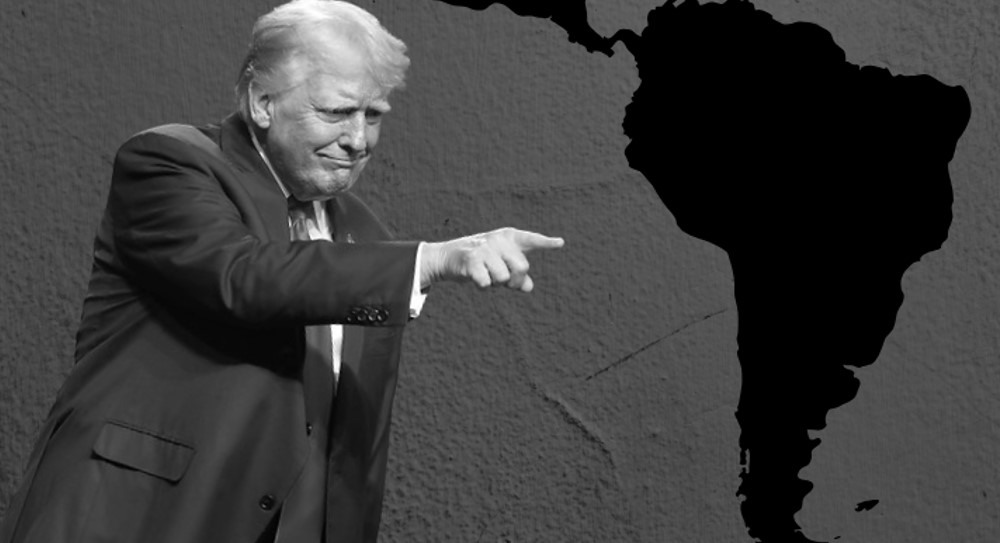
The White House announced a forthcoming summit in Miami that will bring together former US President Donald Trump and several Latin American leaders. This meeting comes as the Trump administration seeks to strengthen its alliances in the Western Hemisphere and focus on what it considers strategic challenges to its national security, primarily the political and economic crisis in Venezuela and China's growing influence in the region.
Although the White House has not officially released the full list of attendees, expectations point to the participation of heads of state with close ties to the Trump administration, such as those from Argentina, Paraguay, Bolivia, El Salvador, Ecuador, and Honduras. The meeting aims to coordinate positions and unify efforts to address shared challenges, reflecting a shift in US foreign policy priorities toward its immediate regional sphere.
Historical background: The “America First” policy and its regional impact
This summit falls within the framework of the “America First” policy adopted by the Trump administration, which has reshaped relations with Latin America. Historically, relations between the United States and its southern neighbors have been marked by periods of both cooperation and tension. However, under Trump, the policy has focused heavily on three main axes: illegal immigration, renegotiating trade agreements such as NAFTA (which became the USMCA), and exerting maximum pressure on regimes that Washington considers hostile, specifically the regime of Nicolás Maduro in Venezuela. This pressure campaign has included imposing harsh economic sanctions, supporting the political opposition led by Juan Guaidó, and bringing criminal charges against Maduro and senior officials in his government on terrorism and drug-related charges—steps that preceded this summit and underscored its significance.
Importance and expected impact: between regional security and international competition
The summit is of paramount importance on several levels. Regionally , Washington seeks to use it to build a united front of allies to further isolate the Maduro regime and coordinate efforts to combat organized crime and drug trafficking, which Washington considers a direct threat to its security. The meeting also presents an opportunity for these countries to strengthen their ties with the continent's largest economic and military power and to secure political and economic support.
On the international level , the most prominent message is directed at China. China’s economic expansion in Latin America through the Belt and Road Initiative and its massive investments in infrastructure and technology (such as 5G networks) are viewed in Washington as a long-term strategic threat. Consequently, the talks are expected to focus on offering American alternatives to Chinese investments and warning countries in the region about the dangers of what Washington describes as Beijing’s “debt-trap diplomacy.” Thus, the summit is not merely a regional event, but a new chapter in the global power struggle between the United States and China.