A renewed US stance towards Iran
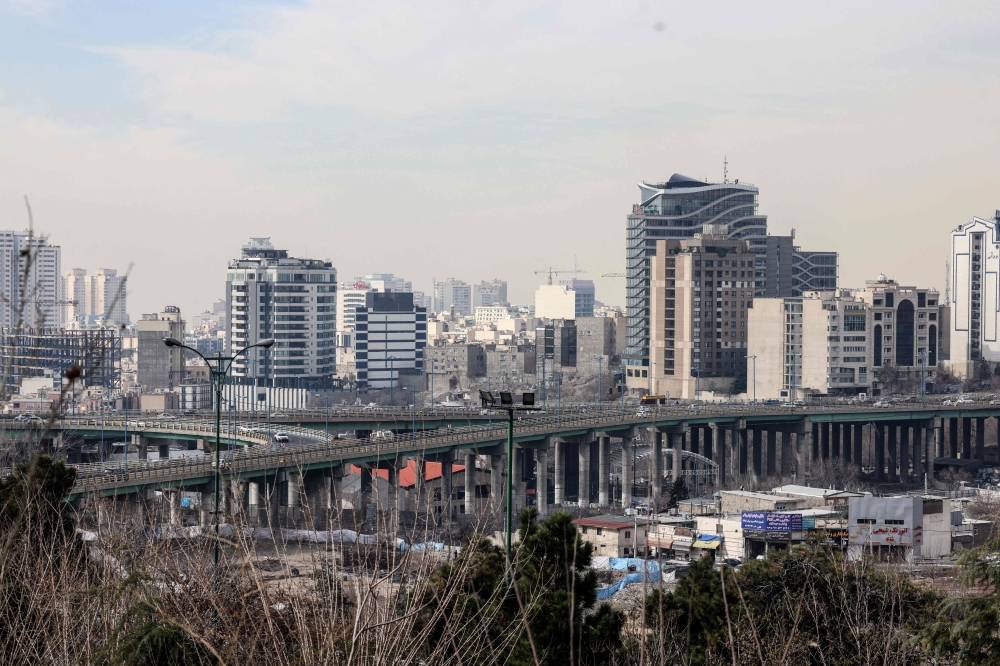
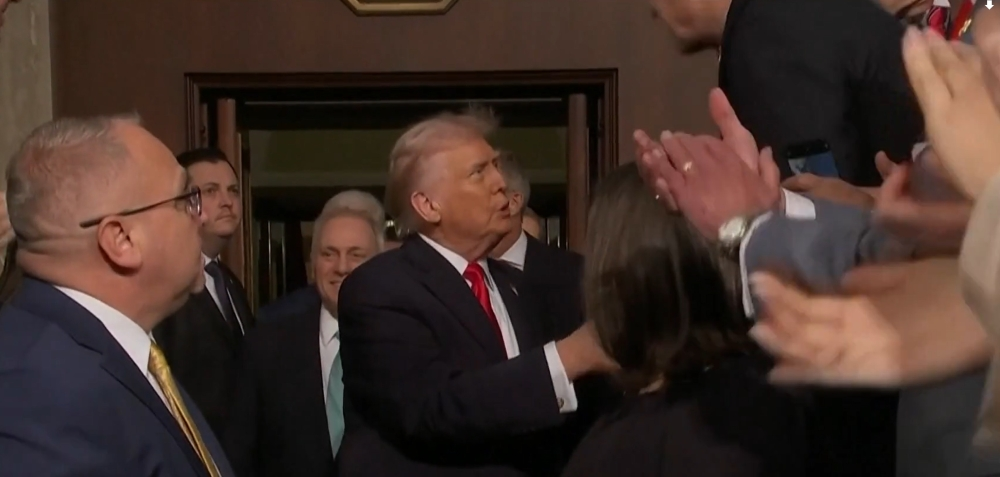
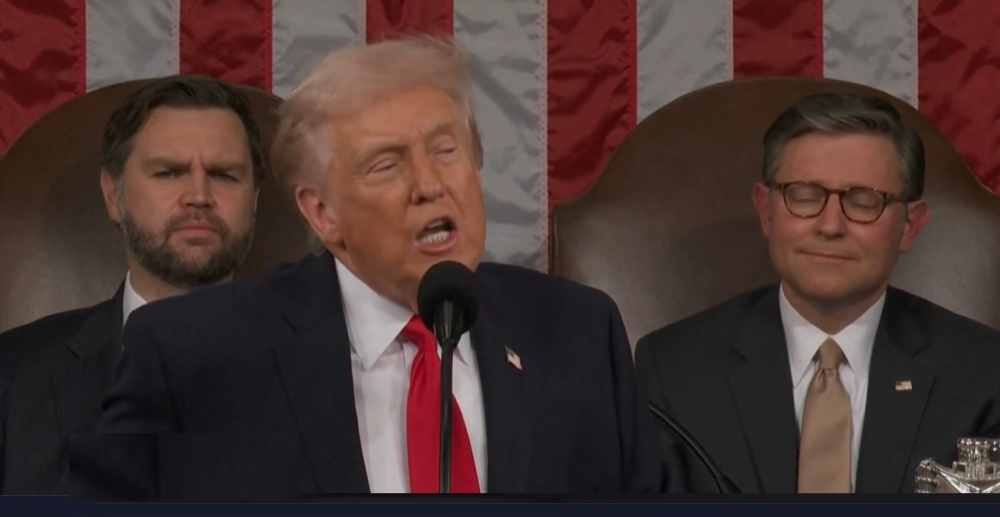
In a major speech outlining his foreign policy, former US President Donald Trump reiterated his dual stance on Iran, expressing his desire to reach a new agreement with Tehran while simultaneously drawing a clear red line: the absolute rejection of Iran possessing nuclear weapons. During his State of the Union address, Trump stated, “My preferred option is to resolve the nuclear issue with Iran through diplomacy. We have the strongest military in the world, but I hope we don’t have to use it.”.
Historical background of strained relations
This statement comes in the context of a complex relationship between the United States and Iran, which reached a peak of tension during Trump's presidency. In 2018, Trump made the historic decision to withdraw from the Joint Comprehensive Plan of Action (JCPOA), commonly known as the Iran nuclear deal, which the Obama administration had concluded in 2015 with Iran and the P5+1 group of nations. Trump justified his decision at the time by claiming the agreement was "flawed" and did not address Iran's ballistic missile program or its destabilizing activities in the region. Following the withdrawal, his administration imposed a policy of "maximum pressure" by reimposing crippling economic sanctions aimed at forcing Tehran back to the negotiating table to reach a "better" and more comprehensive agreement.
Strategic importance and regional influence
Trump's statements carry significant weight both regionally and internationally. Preventing Iran from developing nuclear weapons capabilities is a strategic priority for the United States and its allies in the Middle East, most notably Israel and Saudi Arabia. An Iranian nuclear weapon could trigger a dangerous arms race in the region, exacerbate existing tensions, and threaten the stability of global energy routes. Trump highlighted these risks, stating, "Iran is developing missiles capable of reaching the United States and threatening Europe and our bases." He also accused the Iranian regime of "killing and maiming thousands of Americans along with its proxies," referring to Iran's role in supporting armed groups in the region.
Trump's vision for foreign and domestic policy
Trump's speech was not limited to the Iranian issue; he addressed other matters reflecting his broader vision. Regarding the conflict in Gaza, he referred to his previous administration's efforts, which he said contributed to relative stability, likely referring to the Abraham Accords brokered by his administration to normalize relations between Israel and several Arab states. He also reiterated his pledge to work to end the war in Ukraine quickly if he returns to the White House. Domestically, Trump focused on issues of illegal immigration and the economy, criticizing current policies and promising to secure the borders and reduce inflation and energy prices, citing what he described as his administration's achievements in increasing oil and gas production and achieving economic stability.