In a move reflecting a new approach to shaping the post-war future of the Gaza Strip, prominent Canadian figure Mark Carney has received a formal invitation from US President Donald Trump to join the proposed “Peace Council.” This council aims to oversee the administration and reconstruction of the Strip after the end of military operations, according to one of Carney’s senior advisors, who confirmed to AFP that Carney intends to accept the role.
Expanding the circle of the international coalition
The invitations weren't limited to Canada; they also extended to Latin America. Argentine President Javier Aleix Mele, known for his support of Trump's policies and economic approach, announced that he had received a similar invitation to become a founding member of the council. Mele expressed his enthusiasm for this step on his official X account, posting a picture of the invitation letter and considering his participation in this council, chaired by Trump, a "great honor." This reflects a growing political convergence between Buenos Aires and Washington on complex international issues.
The context of the "day after" war in Gaza
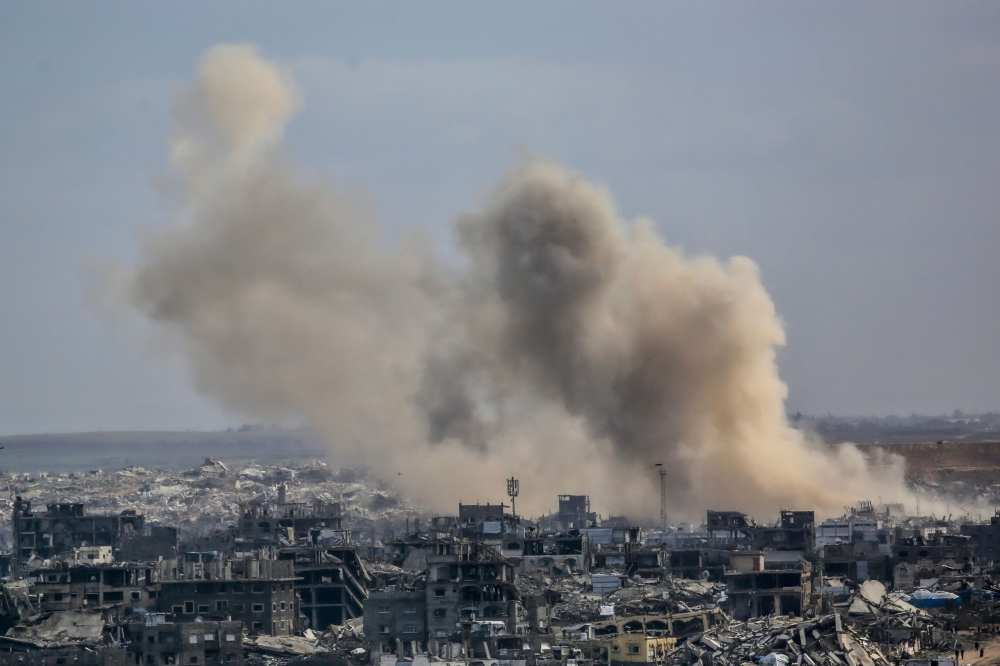
These moves come at a highly sensitive time, as the international community grapples with the dilemma of what is known as the “day after” the war in Gaza. Following the massive destruction of infrastructure and the near-total collapse of basic services, there is an urgent need to establish an international body capable of managing the Gaza Strip and ensuring security, independent of armed factions and without a prolonged direct Israeli occupation. Historically, crisis management in the Middle East has required broad regional and international consensus, but the Trump initiative appears to be seeking to forge a unique coalition of individuals with specific economic and political backgrounds to guarantee the implementation of a practical vision for reconstruction.
Strategic and economic importance
The formation of this council carries profound implications that extend beyond mere political coordination. The invitation extended to figures like Mark Carney, with his extensive economic experience as a former central bank governor, suggests that economic development and reconstruction will be prioritized in the proposed US strategy. Furthermore, Argentina's inclusion lends the council a broader international dimension, attempting to move it beyond the traditional Middle Eastern conflict and incorporate new allies who share similar views on market mechanisms and governance. This council is expected to face significant challenges, most notably securing the necessary funding for reconstruction, gaining the trust of local populations, and addressing the complex security challenges that will inevitably arise from the war.