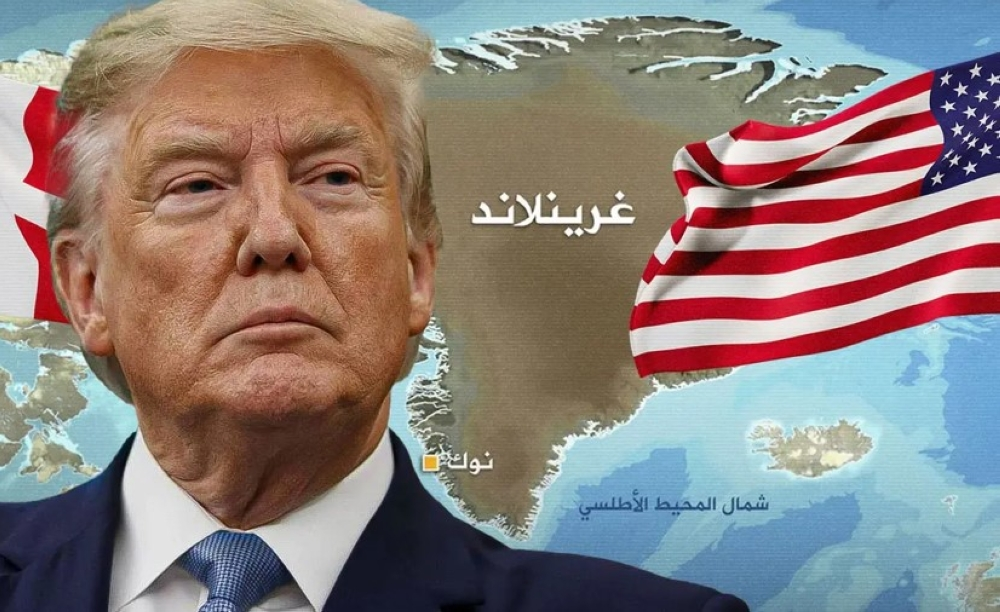
في تصعيد جديد للجدل الدائر حول طموحات الولايات المتحدة في القطب الشمالي، أكد الرئيس الأمريكي دونالد ترامب عزمه المضي قدماً في خطة الاستحواذ على جزيرة غرينلاند، مشدداً على أن هذا الأمر سيتحقق سواء “باللين أو بالشدة”. تأتي هذه التصريحات النارية لتعمق الفجوة الدبلوماسية مع الدنمارك، التي أكدت مراراً عبر مسؤوليها في كوبنهاغن أن الإقليم المتمتع بالحكم الذاتي ليس معروضاً للبيع.
وخلال حديثه للصحفيين في البيت الأبيض، حاول ترامب تخفيف حدة التوتر في البداية بالإشارة إلى إعجابه بالدنمارك وشعبها، قائلاً: “أنا معجب بالدنمارك أيضاً، ويجب أن أخبركم أنهم كانوا لطفاء جداً معي”. إلا أن النبرة تغيرت سريعاً عندما تطرق إلى مسألة السيادة، حيث شكك في أحقية الدنمارك المطلقة بالإقليم بناءً على التاريخ الاستعماري، مضيفاً: “وصولهم إلى هناك بسفينة قبل 500 عام لا يعني أنهم يملكون الإقليم”.
الأمن القومي ومواجهة القوى العظمى
يربط الرئيس الأمريكي رغبته الملحة في السيطرة على غرينلاند بمخاوف تتعلق بالأمن القومي والمنافسة الجيوسياسية مع القوى العظمى. وقد صرح ترامب بوضوح يوم الجمعة قائلاً: “لا يمكننا السماح لروسيا أو الصين باحتلال غرينلاند. هذا ما سيفعلانه إذا لم نفعل نحن ذلك”.
وتشير التقارير إلى أن البيت الأبيض يدرس خيارات متعددة، بما في ذلك الخيار العسكري الذي لم يتم استبعاده كلياً، لضمان عدم وقوع الجزيرة الاستراتيجية تحت نفوذ بكين أو موسكو. وتنظر واشنطن بقلق إلى التحركات الصينية في القطب الشمالي، حيث تسعى بكين لإنشاء “طريق حرير قطبي”، بالإضافة إلى التواجد العسكري الروسي المتزايد في المنطقة.
الأهمية الاستراتيجية والتاريخية لغرينلاند
لا تعد رغبة واشنطن في شراء غرينلاند وليدة اللحظة أو فكرة حصرية لإدارة ترامب؛ ففي عام 1946، عرض الرئيس الأمريكي هاري ترومان على الدنمارك مبلغ 100 مليون دولار من الذهب لشراء الجزيرة، نظراً لموقعها الحيوي. وتستضيف غرينلاند حالياً قاعدة “ثول” الجوية (Thule Air Base)، وهي أقصى قاعدة عسكرية أمريكية في الشمال، وتلعب دوراً محورياً في نظام الإنذار المبكر بالصواريخ الباليستية ومراقبة الفضاء، مما يجعلها ركيزة أساسية للدفاع عن أمريكا الشمالية.
علاوة على الجانب العسكري، تكتسب الجزيرة أهمية اقتصادية متزايدة مع ذوبان الجليد الذي يفتح ممرات ملاحية جديدة ويسهل الوصول إلى ثروات طبيعية هائلة، تشمل معادن أرضية نادرة، والنفط، والغاز، واليورانيوم، وهي موارد تسعى القوى العالمية للسيطرة عليها.
اختبار لتماسك حلف الناتو
أثارت تصريحات ترامب مخاوف جدية داخل أروقة حلف شمال الأطلسي (الناتو). وقد أقر الرئيس الأمريكي في مقابلة مع صحيفة “نيويورك تايمز” بأنه قد يوضع أمام خيار صعب بين الحفاظ على وحدة الحلف أو السيطرة على الإقليم الدنماركي.
من جانبها، ردت رئيسة الوزراء الدنماركية ميته فريدريكسن بحزم، مذكرة بأن بلادها عضو مؤسس وفاعل في الناتو، ومحذرة من أن أي تحرك عدائي أمريكي ضد عضو في الحلف سيفعل المادة الخامسة للدفاع المشترك، مما قد يؤدي إلى “إنهاء كل شيء” وتقويض التحالف الغربي الذي استمر لعقود.