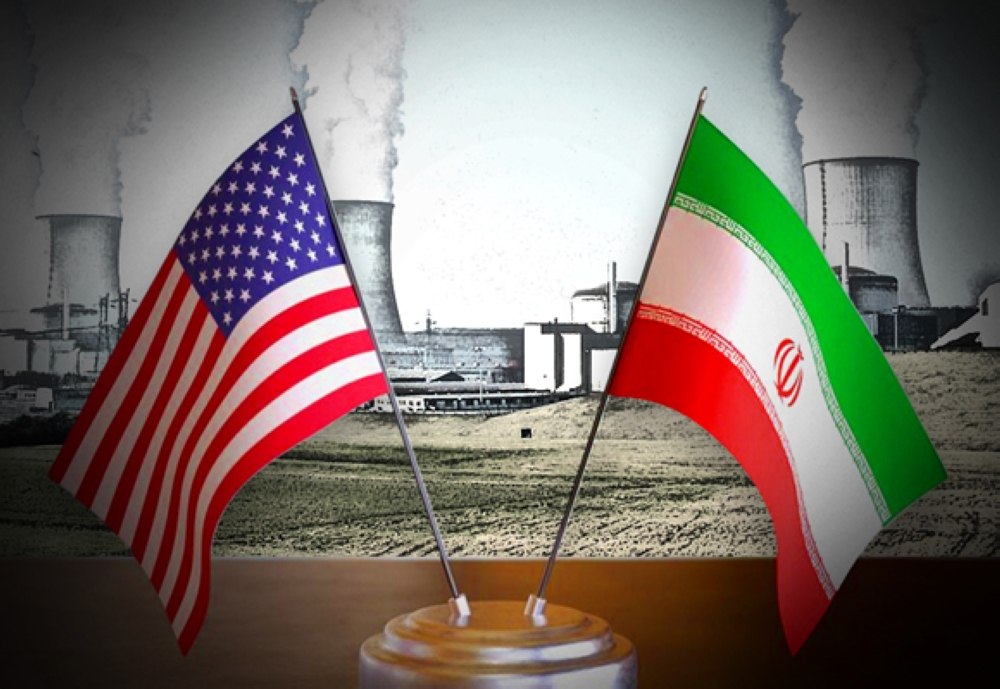
In a new escalation of tensions between Washington and Tehran, US President Donald Trump gave Iran a 15-day deadline to reach a "viable deal" on its nuclear program, threatening that if it failed to comply, the country would face "bad consequences." This sharp statement, made during the inaugural meeting of the "Peace Council" in Washington, reflects the extent of the pressure the US administration is exerting to bring Iran to the negotiating table on new terms.
Trump said, “It has been proven over the years that it is not easy to reach a viable deal with Iran. We have to reach a viable deal, or bad things will happen.” He later clarified to reporters that the timeframe he was referring to was between “10 and 15 days,” emphasizing that the world would soon see what would happen.
Background to the tension and the collapsed nuclear agreement
The roots of the current crisis lie in President Trump's decision in May 2018 to unilaterally withdraw from the Joint Comprehensive Plan of Action (JCPOA), commonly known as the Iran nuclear deal, which was signed in 2015 between Iran and the P5+1 group of nations. The agreement aimed to restrict Iran's nuclear activities in exchange for lifting international economic sanctions. However, the Trump administration deemed the agreement "disastrous," arguing that it failed to address Iran's ballistic missile program or its regional role. This led to the "maximum pressure" campaign, which reinstated harsh economic sanctions designed to cripple the Iranian economy and force it to negotiate a new agreement.
Parallel paths: diplomacy and military mobilization
Despite the escalating rhetoric, diplomatic efforts continue behind the scenes. The United States and Iran have resumed indirect talks mediated by Oman, with rounds of discussions held in Muscat and Geneva. Tehran is working on a draft framework to advance these negotiations. Meanwhile, Washington continues to bolster its military presence in the Middle East, deploying aircraft carriers, fighter squadrons, and thousands of troops to regional bases, sending a clear message that the military option remains on the table.
Iran's position and its regional and international influence
For its part, Iran insists on its right to develop a peaceful nuclear program, including uranium enrichment, a point reiterated by the head of the Atomic Energy Organization of Iran, Mohammad Eslami, who emphasized that these activities are conducted in accordance with the standards of the International Atomic Energy Agency. In response to US sanctions, Iran has gradually reduced its commitments under the nuclear agreement. This escalation not only affects Washington and Tehran but also casts a shadow over the stability of the entire Middle East region, raising concerns among US allies such as Saudi Arabia and Israel, and threatening the security of navigation in the Strait of Hormuz, vital to global oil supplies. Internationally, the US stance has led to disagreements with European allies who have tried to salvage the agreement, while Russia and China continue their diplomatic and economic support for Iran, further complicating the global geopolitical landscape.