قرار مفاجئ بتعليق قرارات اللجوء
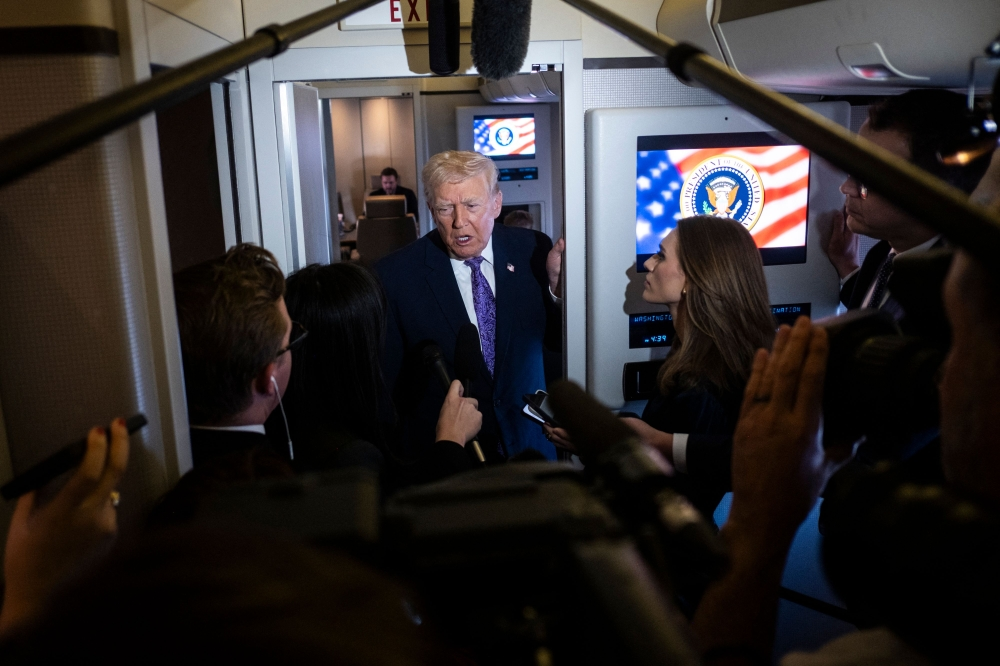
أعلن الرئيس الأمريكي دونالد ترامب، يوم الأحد، أن إدارته تعتزم الإبقاء على تعليق مؤقت لقرارات اللجوء “لفترة طويلة”، وذلك في خطوة تأتي كرد فعل مباشر على حادثة إطلاق نار نفذها مواطن أفغاني قرب البيت الأبيض وأسفرت عن مقتل عنصر من الحرس الوطني. وعندما سُئل ترامب عن وجود إطار زمني محدد لهذا الإجراء، أكد أنه لم يضع “حدًا زمنيًا”، مشيرًا إلى أن القرار يهدف إلى حماية الأمن القومي الأمريكي. وأضاف ترامب في تصريحاته: “لا نريد هؤلاء الأشخاص. هل تعلمون لماذا لا نريدهم؟ لأن الكثير منهم لم يكونوا صالحين، وما كان ينبغي لهم أن يكونوا في بلدنا”.
خلفية تاريخية لسياسات الهجرة في عهد ترامب
يعكس هذا القرار النهج المتشدد الذي تبناه دونالد ترامب تجاه قضايا الهجرة واللجوء منذ فترة رئاسته الأولى. فخلال إدارته السابقة، أطلق ترامب سياسات أثارت جدلاً واسعاً، أبرزها الأمر التنفيذي المعروف بـ”حظر السفر” الذي استهدف مواطني عدة دول ذات أغلبية مسلمة، بالإضافة إلى سياسة “البقاء في المكسيك” التي أجبرت طالبي اللجوء على انتظار قراراتهم خارج الأراضي الأمريكية. لطالما ربط ترامب بين الهجرة ومخاطر الأمن القومي، مستخدماً لغة حادة لوصف التحديات على الحدود، وهو ما يجعل قراره الأخير متسقاً مع خطابه وسجل سياساته السابقة التي ركزت على تقييد الوصول إلى نظام اللجوء الأمريكي.
تفاصيل الحادثة التي أشعلت الأزمة
جاء هذا التعليق الصارم في أعقاب حادثة إطلاق النار التي وقعت في واشنطن بتاريخ 26 نوفمبر، حيث أطلق مواطن أفغاني يدعى رحمن الله لاكانوال (29 عامًا) النار على عنصرين من الحرس الوطني. أسفر الهجوم عن مقتل سارة بيكستروم، البالغة من العمر 20 عامًا، وإصابة زميل لها بجروح خطيرة. وكشفت التحقيقات أن لاكانوال كان جزءًا من “قوة شريكة” مدعومة من وكالة الاستخبارات المركزية الأمريكية (CIA) في أفغانستان لمحاربة طالبان، ودخل الولايات المتحدة ضمن برنامج إعادة التوطين بعد الانسحاب العسكري الأمريكي عام 2021. ورغم أن لاكانوال حصل على حق اللجوء في أبريل 2025 في ظل إدارة ترامب الحالية، ألقى مسؤولو الإدارة باللوم على إجراءات التدقيق التي وصفوها بالمتراخية خلال إدارة الرئيس السابق جو بايدن.
الأبعاد والتأثيرات المحتملة للقرار
من المتوقع أن يكون لهذا القرار تداعيات واسعة على المستويات المحلية والدولية. محليًا، سيؤثر القرار بشكل مباشر على آلاف طالبي اللجوء الذين ينتظرون البت في قضاياهم، وقد يواجه تحديات قانونية كبيرة من قبل منظمات حقوق الإنسان والحريات المدنية التي تعتبره انتهاكًا للقانون الدولي والإنساني. أما على الصعيد الدولي، فإن هذا الإجراء قد يزيد من توتر علاقات الولايات المتحدة مع حلفائها ومع المنظمات الدولية مثل الأمم المتحدة. وأشارت وزارة الأمن الداخلي إلى أن القرار مرتبط بقائمة تضم 19 دولة، من بينها أفغانستان وكوبا وهايتي وإيران، والتي يواجه مواطنوها بالفعل قيودًا على السفر، مما يضع ضغوطًا إضافية على هذه الدول ويزيد من تعقيد الأزمات الإنسانية الإقليمية.