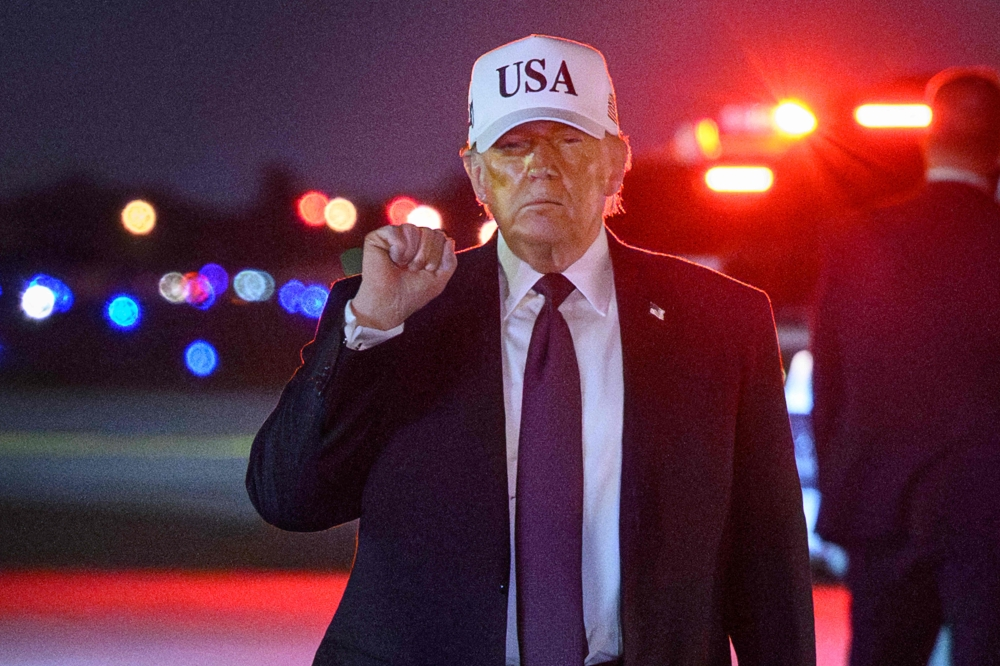
Former US President Donald Trump sparked widespread controversy with his recent statements asserting that the United States had completely destroyed Iran's military capabilities . Speaking about the ongoing tensions in the Middle East, Trump pledged that his administration would work to reopen the strategic Strait of Hormuz as soon as possible, emphasizing that the vital waterway would be safe and free for international navigation, either through decisive action or other means, the details of which he did not disclose.
The historical context of the development of Iran's military capabilities and maritime tensions
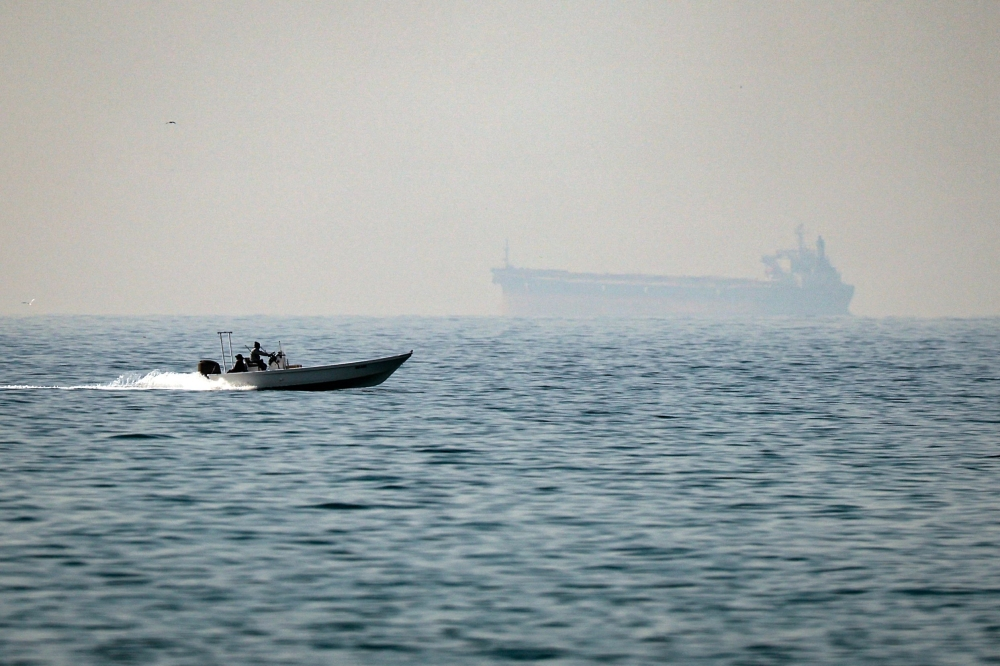
To understand the implications of these statements, one must consider the historical context of tensions between Washington and Tehran. Over the past decades, Tehran has sought to bolster Iran’s military capabilities, particularly in the naval and missile domains, as part of its strategy to project power in the Persian Gulf. The Strait of Hormuz, through which roughly one-fifth of the world’s oil supply passes, has witnessed frequent incidents involving the seizure of commercial vessels and oil tankers, making it a constant flashpoint between Iranian forces and the U.S. Fifth Fleet stationed in the region. These tensions are not a recent development but rather an extension of a long-standing conflict that escalated significantly after the United States withdrew from the Iran nuclear deal in 2018 and subsequently imposed crippling economic sanctions on Tehran.
Call for an international coalition to secure the Strait of Hormuz
In a post on his social media platform Truth Social, Trump outlined his vision for addressing threats in the waterways. He expressed hope that major world powers, such as China, France, Japan, South Korea, and the United Kingdom, would send warships to the Strait of Hormuz to protect it from any potential threats from Iran. He added that many countries would participate in this naval effort to keep this vital economic artery open and secure for global trade, emphasizing that relying on an international coalition is the best way to deter any attempts to disrupt navigation.
The expected impact of the American escalation on the regional and international arenas
These statements carry significant implications and are expected to have repercussions on several levels. Locally and regionally, the threat of excessive force, such as heavily bombing Iranian coastlines and continuously firing on Iranian boats and ships as Trump has stated, could lead to increased military alert in the Gulf states, impacting global energy markets, which are highly sensitive to any tension in this volatile region. Internationally, the formation of a new maritime coalition could redraw the map of security alliances and place additional pressure on oil-importing countries to contribute to the cost of securing their supplies.
Challenges of asymmetric warfare
Despite his emphasis on destroying key Iranian military infrastructure, Trump did not neglect to mention Tehran’s alternative tactics. He acknowledged that it remains “easy” for Iranian forces to employ asymmetric warfare weapons, such as drones, sea mines, and short-range missiles. These weapons, while relatively inexpensive compared to conventional arsenals, have proven capable of inflicting significant damage and disrupting navigation, posing complex security challenges to any naval power seeking to fully secure the waters of the Persian Gulf and the Strait of Hormuz.