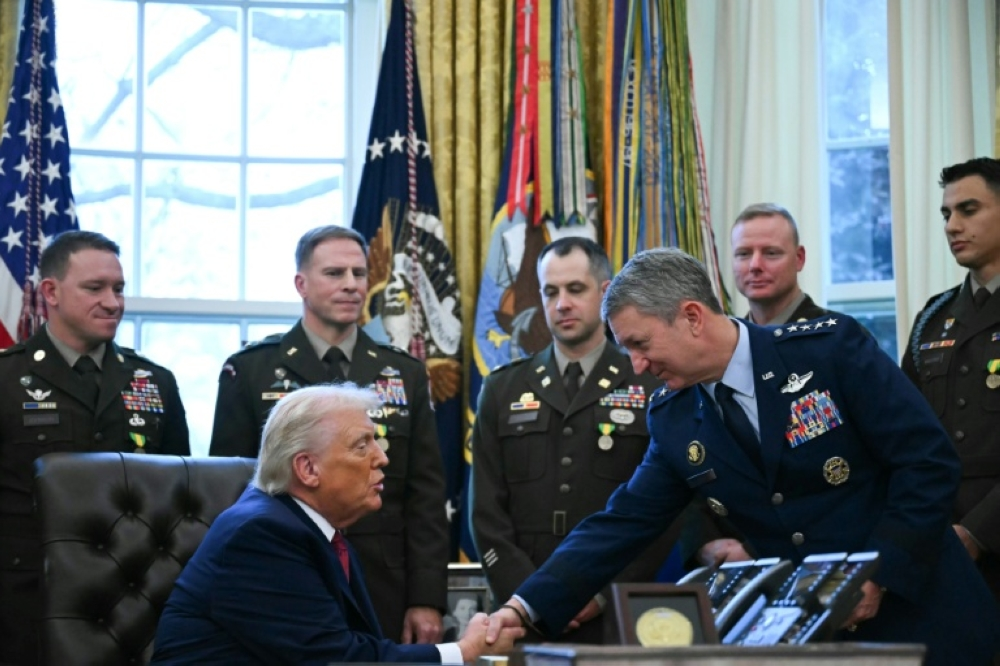
Former US President Donald Trump vehemently denied media reports that his top military commanders had warned him against launching a large-scale military operation against Iran. In a series of statements, Trump asserted his absolute confidence in the US armed forces' ability to achieve a swift and decisive victory in any potential confrontation with Tehran, dismissing what he called "fake news" intended to portray a division within his administration.
Context of tension: From the nuclear agreement to the policy of maximum pressure
These statements come at the height of a period of intense tension between the United States and Iran, which began with the US withdrawal from the Iran nuclear deal (the Joint Comprehensive Plan of Action) in 2018. Following this decision, the Trump administration adopted a “maximum pressure” strategy, which included imposing unprecedented economic sanctions aimed at crippling the Iranian economy and forcing Tehran back to the negotiating table on US terms. This policy led to a dangerous escalation in the Gulf region, including attacks on oil tankers and Iran’s downing of a US drone in June 2019, an incident that nearly triggered a direct military confrontation after Trump ordered a retaliatory strike and then called it off at the last minute.
A firm denial and an affirmation of strength
In a post on his social media platform, Trump described reports claiming that then-Chairman of the Joint Chiefs of Staff, General Joseph Dunford, had warned him that any war with Iran would be long and costly as “100 percent false.” Trump added, “General Cain (likely referring to Dunford or another commander) and all of us don’t want war, but if the decision is made to take military action against Iran, in his opinion, it’s something that can be easily won.” He emphasized that his military leaders know only how to win and would execute the mission efficiently if ordered to do so.
The importance and potential effects of escalation
Trump’s rhetoric and repeated pronouncements about the ease of defeating Iran had profound effects at the domestic, regional, and international levels. Domestically, this tone sparked debate about the relationship between the political leadership and the military establishment, with senior Pentagon leaders believed to be more cautious about engaging in a new conflict in the Middle East. Regionally, this brinkmanship exacerbated instability in the Gulf region and impacted global energy markets and maritime security. Internationally, the hardline US stance deepened the rift with European allies who were striving to preserve the nuclear agreement, while powers like Russia and China watched the escalation with concern, given its implications for the global balance of power.
In the end, Trump accused the American media of deliberately trying to undermine his foreign policy by publishing “false” reports, asserting that he was the ultimate decision-maker. He explained that he preferred a diplomatic agreement, but warned that if negotiations failed, Iran would face “a very bad day.”.