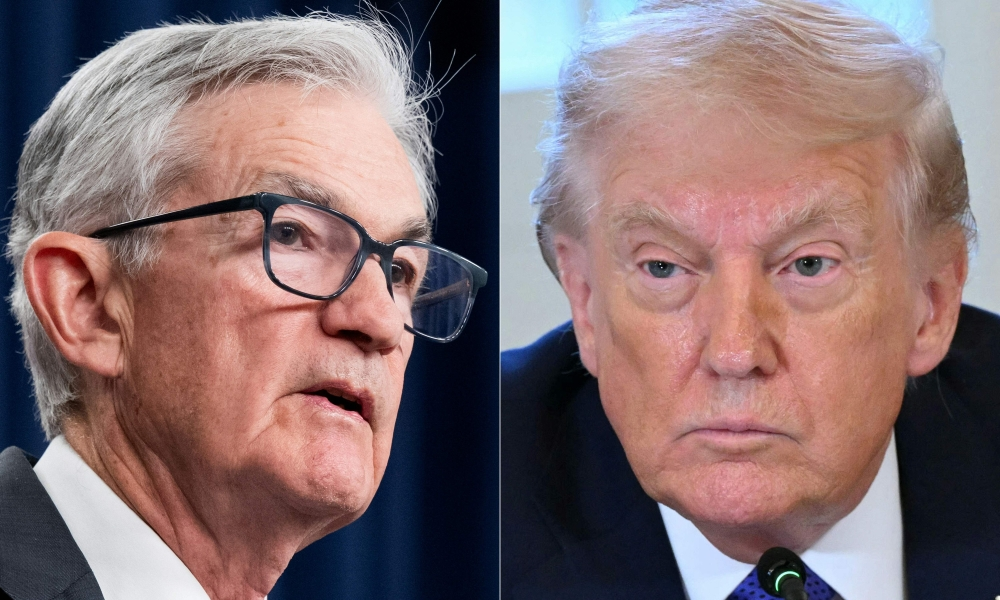
Former US President Donald Trump urged Federal Reserve Chairman Jerome Powell to cut interest rates immediately, sharply criticizing the delay in taking this crucial step until the next monetary policy meeting. These remarks come at a time of extreme volatility in global financial markets, placing the central bank under increasing political and economic pressure.
A history of tensions between Trump and the Federal Reserve
To understand the broader context of this attack, one must go back to the Trump presidency, as this was not the first time he had sharply criticized Jerome Powell. Although Trump nominated Powell to head the Federal Reserve in 2017, their relationship quickly soured. Trump consistently argued that tight monetary policy was hindering US economic growth and repeatedly pushed for more accommodative monetary policies. This long history of disagreements reflects a fundamental divergence between policymakers' desire to stimulate rapid economic growth and central banks' commitment to maintaining price stability and controlling inflation over the long term.
Why is Trump so insistent on an immediate interest rate cut?
In his latest attack on his social media platform, Truth Social, Trump sharply questioned the whereabouts of Jerome Powell, claiming he was “too late” and should have implemented an interest rate cut immediately instead of waiting for the scheduled Federal Open Market Committee meeting. These demands reflect growing concern about the slowdown in some US economic indicators. Trump’s economic team believes that keeping borrowing costs high for too long could push the economy into recession, especially given the signs of a slowdown in the labor market and a decline in some manufacturing sectors.
The Federalist approach to dealing with political pressures
In contrast, Jerome Powell and the Federal Reserve maintain a cautious and independent stance. Powell has repeatedly emphasized that the central bank's decisions are not influenced by political pressure but are based strictly on incoming economic data. Fed officials closely monitor inflation to ensure it remains close to the target of 2%, in addition to assessing labor market conditions and financial stability risks. These crucial decisions are typically made during regular meetings of the Federal Open Market Committee to ensure all variables are considered and to avoid creating unnecessary market shocks.
Expected impact of US monetary policy decisions
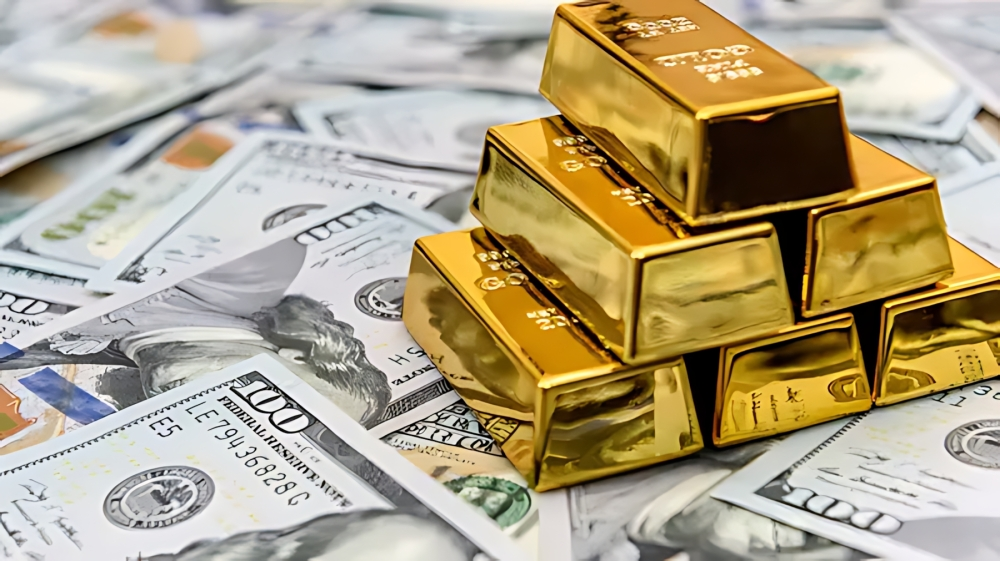
The Federal Reserve's decisions are not only important within the United States, but their repercussions extend to the entire global economy. Domestically, any monetary easing will reduce the cost of mortgage and commercial loans, thus stimulating consumption and investment. Regionally and internationally, US interest rates play a crucial role in determining the strength of the dollar. Lower interest rates can lead to a decline in the dollar's value, easing the burden on emerging market countries burdened with dollar-denominated debt and encouraging investment flows to emerging markets in search of higher returns. Furthermore, global stock markets and commodities, such as gold and oil, are directly affected by the direction of US monetary policy, making the timing and magnitude of any potential rate cut a matter of great interest to investors worldwide.