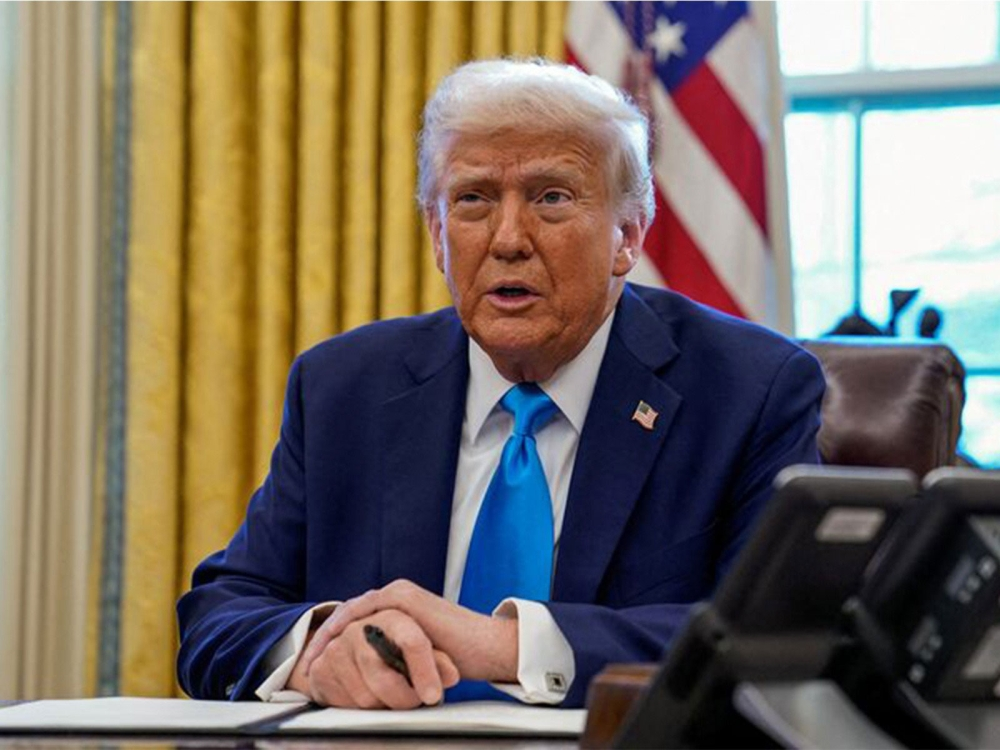
US President Donald Trump confirmed that the high-level delegation he sent to Moscow held what he described as a "very good" meeting with Russian President Vladimir Putin, as part of efforts to end the ongoing war in Ukraine. These remarks highlight the intense diplomatic activity taking place behind the scenes to try to find a way out of the crisis gripping Eastern Europe.
Details of the meeting at the Kremlin
Trump's envoy, Steve Wittkopf, and his son-in-law, Jared Kushner, left the Kremlin after a lengthy meeting that lasted several hours. While no major breakthrough or final peace agreement was immediately announced, Trump expressed optimism about the meeting. "They had a very good meeting yesterday with President Putin," Trump said, adding that his envoys' impression was that the Russian president genuinely wanted to end the war.
Background of the conflict and diplomatic moves
These talks are particularly significant given the timing of the conflict, as the war in Ukraine enters its third year, inflicting heavy military and economic losses on the warring parties and having repercussions for the global economy. Trump has consistently criticized the level of US military aid to Kyiv, pledging on several occasions that he could end the war quickly through direct negotiations. This explains why he dispatched a delegation of close associates (Kushner and Woitkov) to open direct channels of communication with the Russian leadership.
The Russian position: Cautious optimism and geographical obstacles
In contrast, the Russian position was characterized by political realism; the Kremlin announced on Tuesday evening that the talks were “very useful and constructive,” but stressed that no final settlement had yet been reached, particularly with regard to the issue of the territories controlled by Russian forces in eastern and southern Ukraine.
In response to press inquiries about the fate of Ukrainian territory, Yuri Ushakov, the Kremlin's diplomatic advisor, stated: "We haven't reached a settlement yet, but it's possible to discuss some American proposals." This statement indicates that the main obstacle in the negotiations lies in the significant gap between Kyiv's demand for the return of all its territory and Russia's insistence on recognizing the new reality on the ground.
The strategic importance of the talks
These meetings are a strong indicator of a potential shift in international dynamics regarding the war in Ukraine. The success of these negotiations could lead to a redrawing of the security map in Europe and a reduction in tensions between Moscow and the West. However, Trump himself cautioned that the outcome of the negotiations is uncertain, reflecting the complexity of the issues at hand, which include not only geographical boundaries but also security guarantees and the future of relations between Russia and NATO.
The world remains on tenterhooks to see what these open diplomatic channels will yield, and whether Putin’s desire to end the war – as conveyed by Trump’s delegation – will translate into tangible concessions at the negotiating table in the near future.