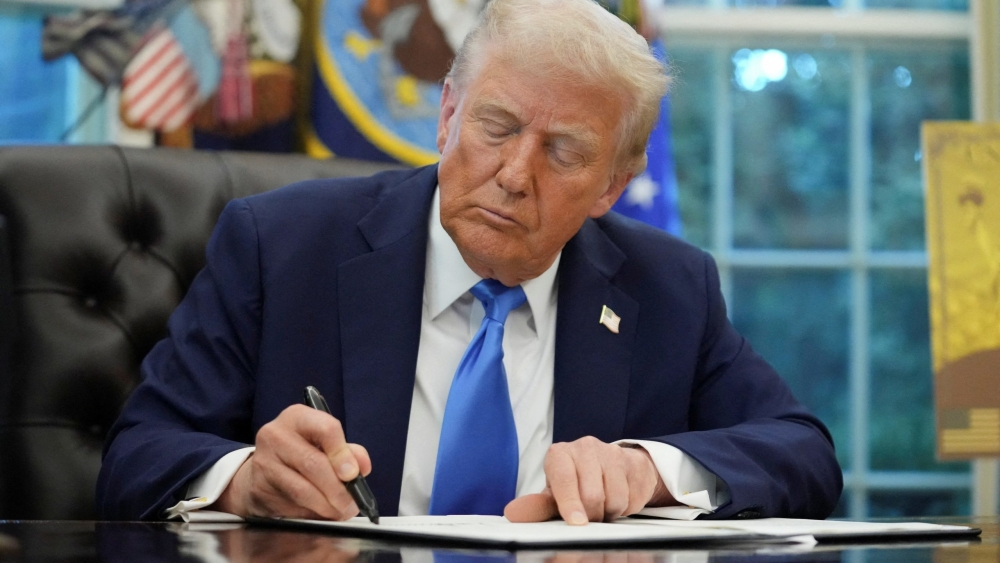
In a move aimed at easing the economic burden on American consumers, President Donald Trump issued a surprise decision Wednesday evening postponing the implementation of a package of hefty tariffs that were scheduled to be imposed on furniture and certain wood products. Under this decision, the tariffs have been delayed for a full year, taking effect on January 1, 2027, instead of the imminent date that had been set for Thursday.
Details of the decision and the postponed percentages
The US administration had planned to impose high tariffs of up to 30% on some types of upholstered furniture and 50% on imported kitchen cabinets and bathroom units. This postponement comes at a critical time, as markets were anticipating the implementation of these increases, which were part of broader protectionist policies that Trump began implementing after returning to the White House, and which included other vital sectors such as steel and automobiles, scheduled to take effect in 2025.
Economic reasons and ongoing negotiations
The White House explained in an official statement that this decision came "in light of the productive negotiations underway regarding imports of wood products," noting that the president aims, through this postponement, to allow for further diplomatic and trade discussions with exporting countries. This approach reflects the negotiating strategy adopted by the US administration, where tariffs are used as a tool to improve trade terms and protect domestic industry, while maintaining flexibility to prevent direct harm to consumers.
Easing the burdens of living and combating inflation
This decision comes at a sensitive economic juncture, as American families grapple with rising living costs and soaring inflation. Economic experts point out that imposing tariffs of up to 50% on essential goods like kitchen and bathroom furniture would inevitably lead to an immediate surge in retail prices, further increasing the costs of building and furnishing homes. Therefore, the postponement is interpreted as an attempt to strike a delicate balance between protecting domestic industry from foreign competition and maintaining price stability in the local market to prevent an erosion of citizens' purchasing power.
The general context of trade policies
This action is not an isolated event, but rather part of a broader series of trade moves. While further investigations are underway that could lead to new tariffs on other sectors, the postponement of the furniture tariffs demonstrates that the US administration is prepared to revise its timelines if it deems it strategically advantageous or if bilateral negotiations with partner countries achieve tangible progress that obviates the need for immediate tariff escalation.