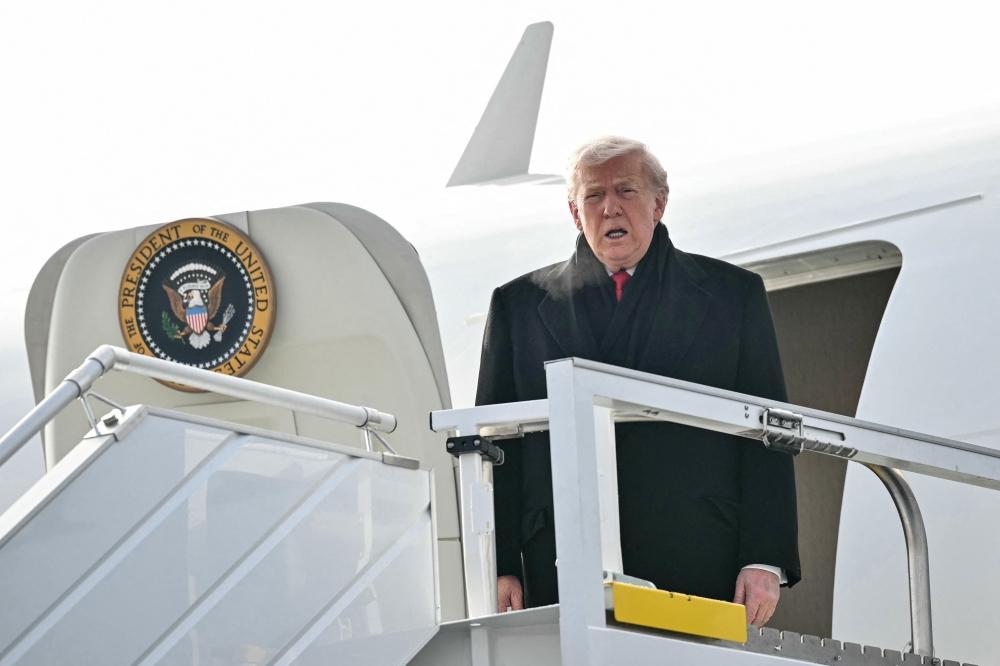
In a fiery opening address to the World Economic Forum, US President Donald Trump sharply criticized Europe, asserting that it was "not headed in the right direction." His remarks, delivered to the political and economic elite gathered in the Swiss resort of Davos, reinforce the president's "America First" policy and highlight the continuing divergence in economic and political visions across the Atlantic.
America is the engine of global growth
In his speech, the US president emphasized the pivotal role the United States plays in the stability and growth of global markets, describing his country as the true "engine" of the global economy. Trump confidently stated, "When America prospers, the world prospers; when America falters, everyone falters." This statement reflects the US administration's conviction that the protectionist policies, tax cuts, and deregulation pursued by Washington are the ideal model to emulate for achieving record growth rates, in contrast to the European model, which Trump views as burdened by bureaucracy.
Background to the tensions: Divergent economic visions
Trump's criticism of Europe is not without foundation; it stems from a long history of disagreements over trade policies and defense spending. The US president has consistently criticized the trade deficit with the European Union, threatening on numerous occasions to impose tariffs on European products, particularly automobiles. The US also believes that Europe suffers from structural economic stagnation due to its strict regulations, making it—in its view—a burden on the global economy rather than a partner in growth. In contrast, Europe defends its economic model, which balances growth, social welfare, and climate protection—issues that are often key points of contention with the US administration.
The geopolitical and economic importance of the event
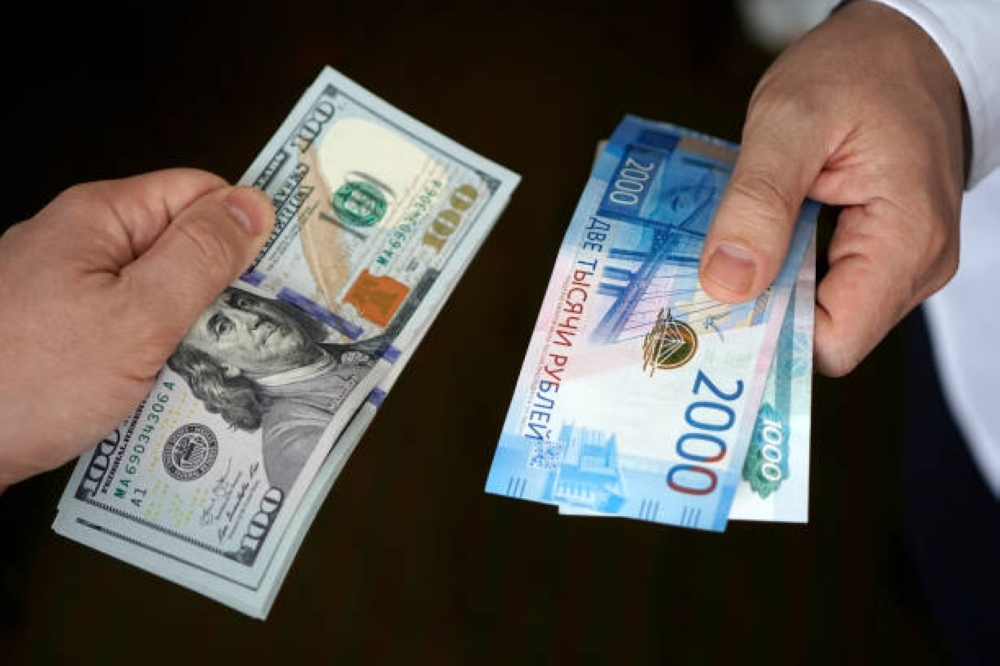
Trump's speech in Davos takes on particular significance given its timing and venue; the World Economic Forum is the premier platform that brings together world leaders and CEOs of major corporations. Trump's message here goes beyond mere criticism, constituting a clear invitation to global investors to bet on the American economy. His assertion that the United States is the "engine" of the global economy carries a veiled warning that any downturn in the American economy will trigger severe shocks in both emerging and developed markets, given the interconnectedness of global currencies and financial markets with the US dollar and the monetary policies of the Federal Reserve.
Expected impact on transatlantic relations
These statements are expected to elicit mixed reactions within European circles, potentially escalating diplomatic tensions and prompting European leaders to seek greater strategic independence from the American umbrella, both economically and in defense matters. Internationally, these statements present international institutions and trading partners with the reality of dealing with an American approach that links global prosperity to its alignment with direct US interests, thus reshaping the landscape of economic alliances in the coming years.