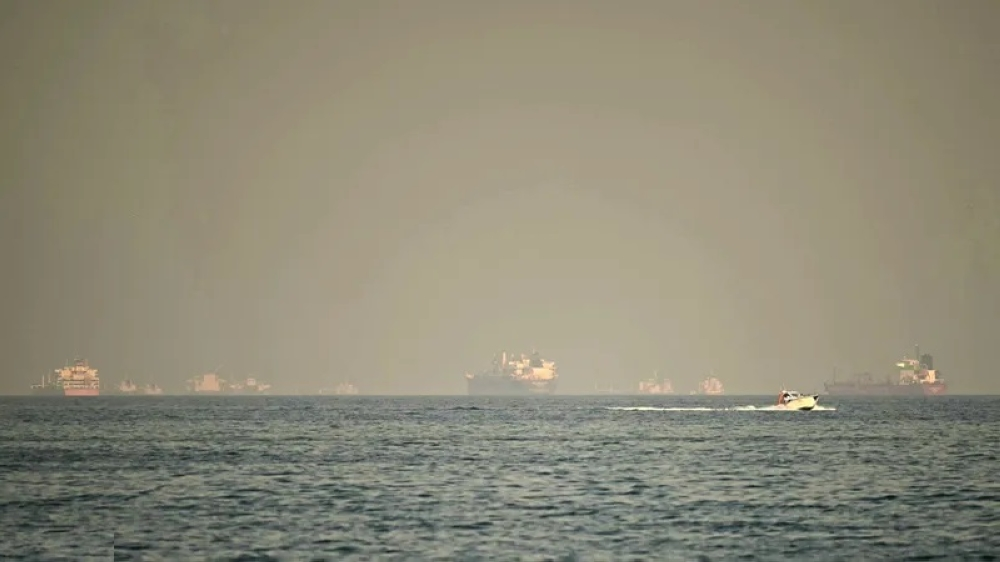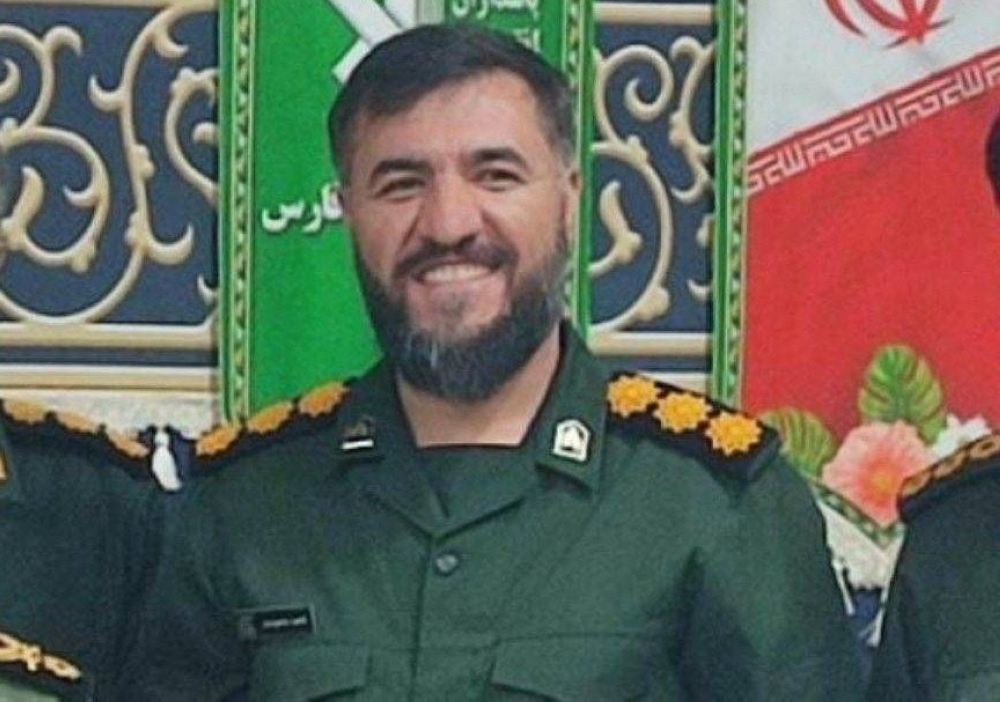
In a significant development that threatens a major escalation in the Middle East, US President Donald Trump announced that his administration is seriously considering decisive military options against the Iranian regime. This announcement comes amid international and human rights reports confirming the escalating violence and bloody repression perpetrated by Iranian authorities against protesters, resulting in hundreds of casualties across various Iranian cities.
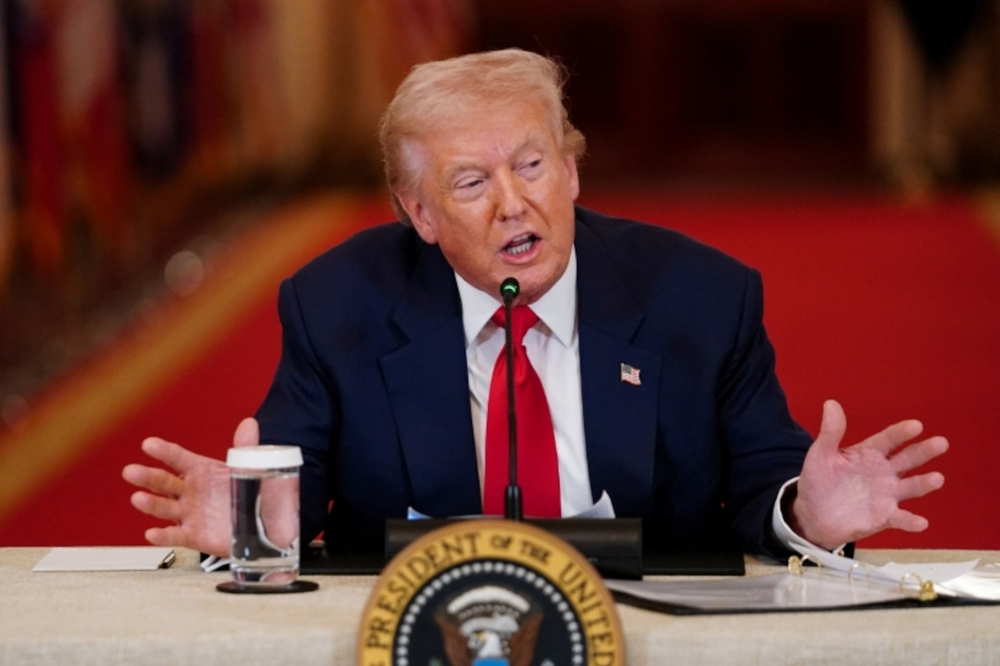
Speaking to reporters aboard Air Force One, Trump indicated that Tehran may have crossed the “red lines” previously drawn by Washington, namely targeting unarmed civilians and killing peaceful protesters. The US president stated firmly, “It appears they have already begun to do so… We are taking this very seriously, and the US military is monitoring the situation closely. We are currently considering some very strong options, and we will make a decision in due course.”.
Rising death toll and fears of massacres
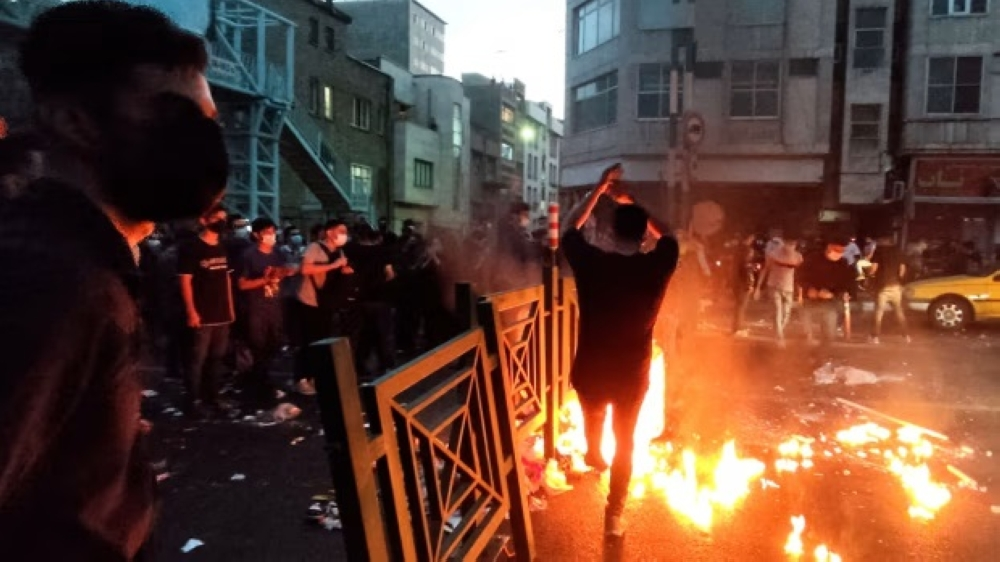
On the ground, international human rights organizations have revealed that the death toll from the protests that have been ongoing in Iran for two weeks has risen alarmingly, with at least 192 protesters documented as having been killed by security forces. Global warnings are mounting about the possibility of the Iranian regime committing a large-scale massacre in a desperate attempt to quell the popular movement, especially given the continued internet blackout and media blackout imposed on the country.
From economics to politics: A radical shift in demands
The spark for these protests was ignited on December 28th, when merchants in Tehran's bazaar staged a widespread strike to protest the devaluation of the local currency and the economic collapse. However, this movement quickly transcended mere demands for improved living conditions, transforming into a sweeping political uprising with slogans denouncing the pillars of the regime that has been in power since 1979. The participation of the traditional merchant class in the protests carries profound historical significance, as this class has historically been a cornerstone of support for the regime, indicating a major rift within the Iranian domestic front.
Regional context and implications of potential intervention
These developments are of particular strategic importance as they come in the wake of a period of regional instability, specifically following the 12-day war last June between Iran and Israel, which saw direct US intervention. Observers believe that Trump's threat of military action at this time places the region at a dangerous crossroads, as any US military action could lead to far-reaching geopolitical changes, especially given the challenges facing the Iranian leadership, represented by Supreme Leader Ali Khamenei.
Washington's consideration of "very strong" options reflects growing American impatience with Tehran's behavior, both in terms of suppressing freedoms domestically and destabilizing the region. The question remains: what will these options be? Will they be precise surgical strikes against command and control centers, or comprehensive military sanctions? The coming days will reveal the course of this renewed conflict.