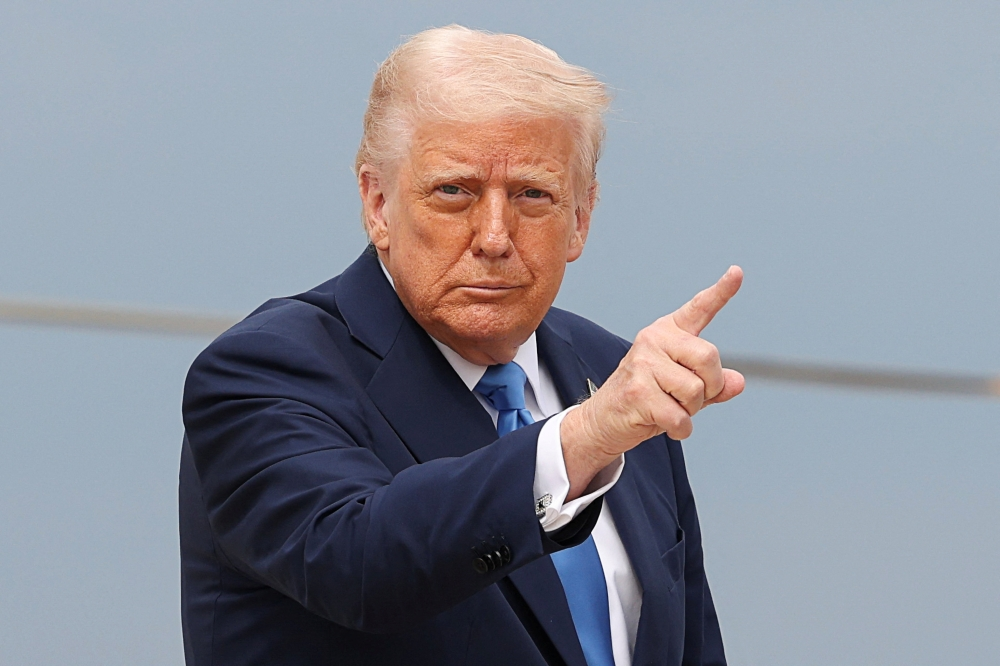
In a significant escalation that could alter the rules of engagement in Latin America, US President Donald Trump announced on Monday that the United States had conducted a targeted operation against and destroyed a naval base in Venezuela. According to his statements, this site was being used as a launching point for smuggling large quantities of drugs, a move that observers believe could constitute the first declared "ground strike" in the escalating US military campaign in the region.
Operation details and targeting
Trump told reporters from his Mar-a-Lago resort: “There was a big explosion at the marina where they load boats with drugs. We targeted all the boats, then we completely destroyed the site itself. It no longer exists.” He added, specifying the target's location: “The site was on the coast,” but declined to elaborate on operational details or confirm whether the strike was purely military or a covert intelligence operation.
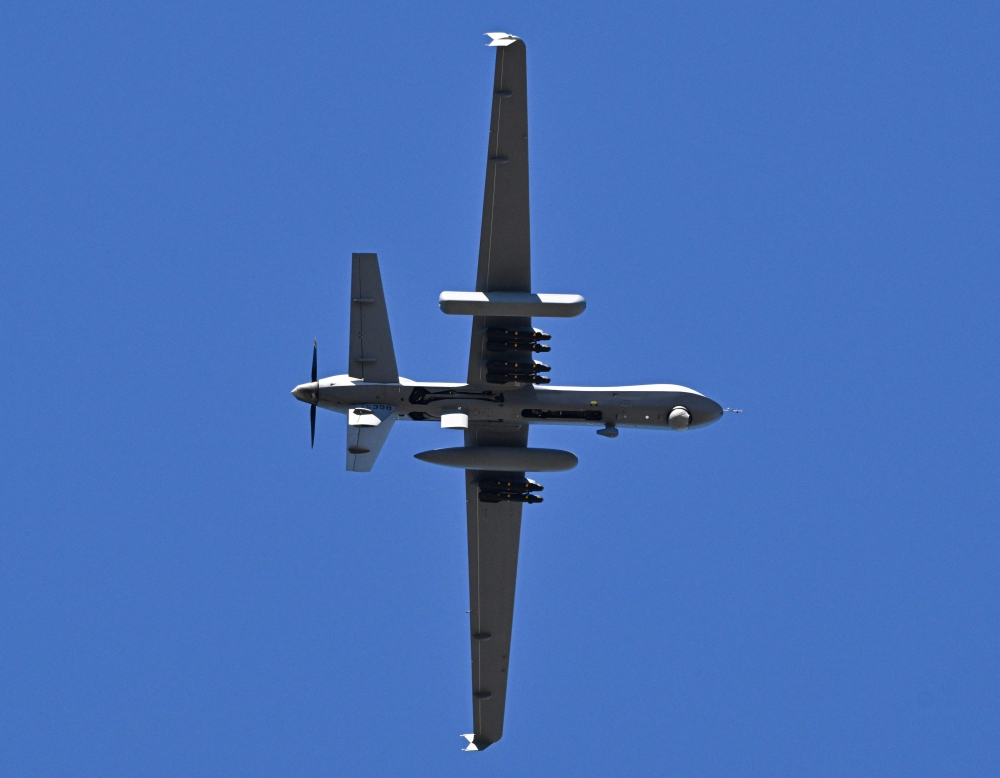
According to reports by CNN and The New York Times, the operation was carried out by a CIA drone and targeted an isolated landing pad used by the Tren de Aragua drug cartel to store narcotics. Sources confirmed there were no casualties, as the site was empty at the time of the strike.
Context of the tension: accusations of “drug terrorism”
This attack cannot be separated from the historically tense context between Washington and Caracas. For years, specifically since 2020, the US Department of Justice has formally charged Venezuelan President Nicolás Maduro and several of his top aides with “narco-terrorism,” accusing them of turning Venezuela into a state sponsor of cartels to finance their operations and flood the United States with cocaine. This strike comes as part of the “maximum pressure” strategy aimed at financially and militarily strangling the regime.
Who are the “Trin de Aragua” gang?
The targeting of the Tren de Aragua cartel specifically indicates a shift in the US target bank. This criminal organization is the largest in Venezuela, and its operations have expanded to several countries in South America, reaching as far as the US border. Washington accuses the Venezuelan regime of colluding with or turning a blind eye to these cartels, making the targeting a dual message to both organized crime and the Maduro regime.
Significance of strategic shift
This operation is significant because it represents a shift from maritime interdiction operations in international waters—where US forces have conducted some 30 such operations in the Caribbean and Pacific since September—to the direct targeting of infrastructure on Venezuelan soil. This shift could escalate regional tensions, as Caracas is expected to view this action as a blatant violation of its sovereignty, potentially prompting diplomatic or military responses and further complicating the geopolitical landscape in the Western Hemisphere.