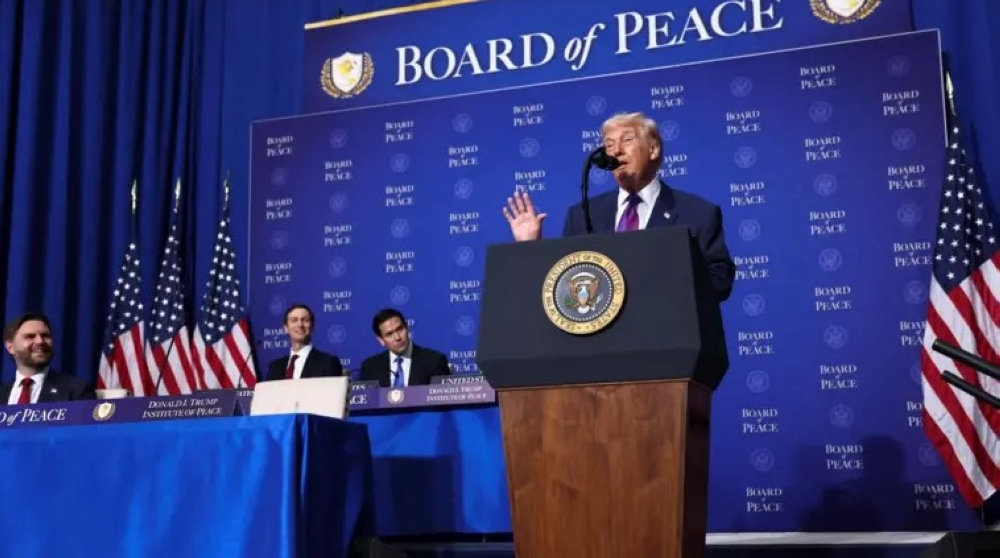
In a statement that sparked widespread controversy, former US President Donald Trump, during his presidency, called on Iran to reach a new deal regarding its nuclear program, warning that "bad things" would happen if an agreement was not reached. Trump added in a speech that the next ten days would reveal whether a deal could be reached, emphasizing that Tehran could not be allowed to possess a nuclear weapon.
The historical context of US-Iranian tensions
This call comes amid escalating tensions between Washington and Tehran, which reached a peak after the Trump administration’s May 2018 decision to unilaterally withdraw from the Iran nuclear deal, formally known as the Joint Comprehensive Plan of Action (JCPOA). This agreement, signed in 2015 between Iran and the P5+1 group of nations—the United States, Britain, France, Russia, China, and Germany—aimed to curb Iran’s nuclear program in exchange for lifting economic sanctions. Following the withdrawal, Washington reimposed harsh economic sanctions on Tehran as part of a policy it called “maximum pressure,” with the goal of forcing Iran back to the negotiating table to reach a new, more comprehensive agreement that would also address its ballistic missile program and its regional role.
The importance of the statements and their potential impact
The significance of Trump's statements lies in their combination of threats and calls for dialogue, a diplomatic style that has characterized his presidency. Regionally, these statements have sparked concern and anticipation in the Middle East, particularly among US allies such as Israel and Saudi Arabia, who view Iran as a direct threat to their security. Trump indicated that "we'll see where things go between Israel and Iran," confirming that "good" talks had taken place with the Iranian side, but adding that "an agreement with Iran is not easy, but we are working towards it.".
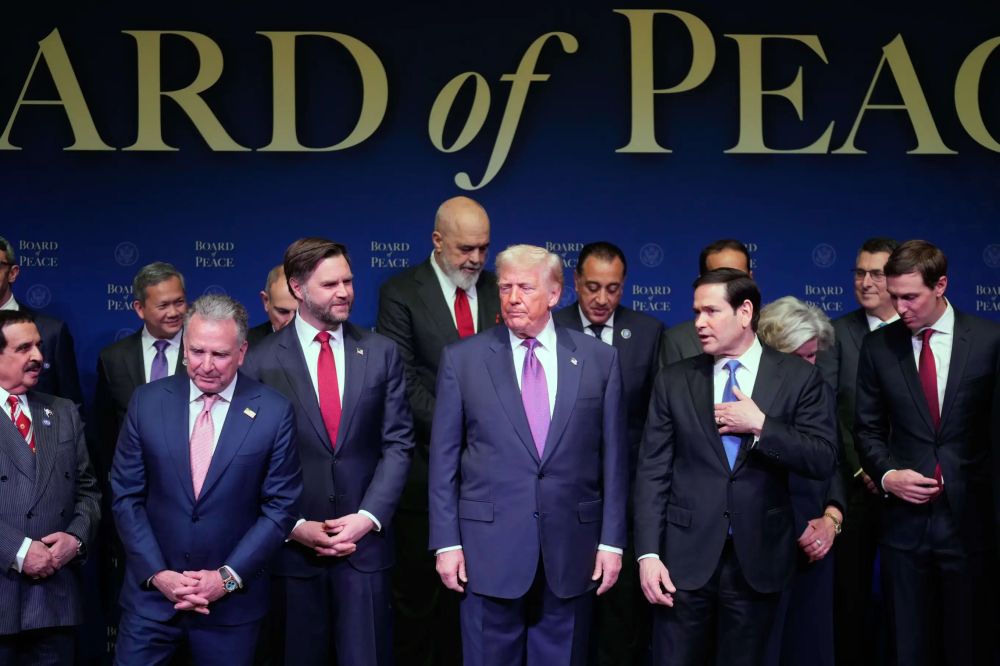
Internationally, this call reflected the divergent views between the United States and its European partners, who sought to preserve the original nuclear agreement. The phrase “the next ten days” added an element of ambiguity and anticipation, as it was unclear what Trump specifically meant by this timeframe, leaving the door open to speculation about a possible military escalation or a sudden diplomatic breakthrough. Trump acknowledged that Iran was “in a difficult position now” due to the sanctions, suggesting that this was the opportune moment for it to join what he termed the “peace council” and work toward a new deal.