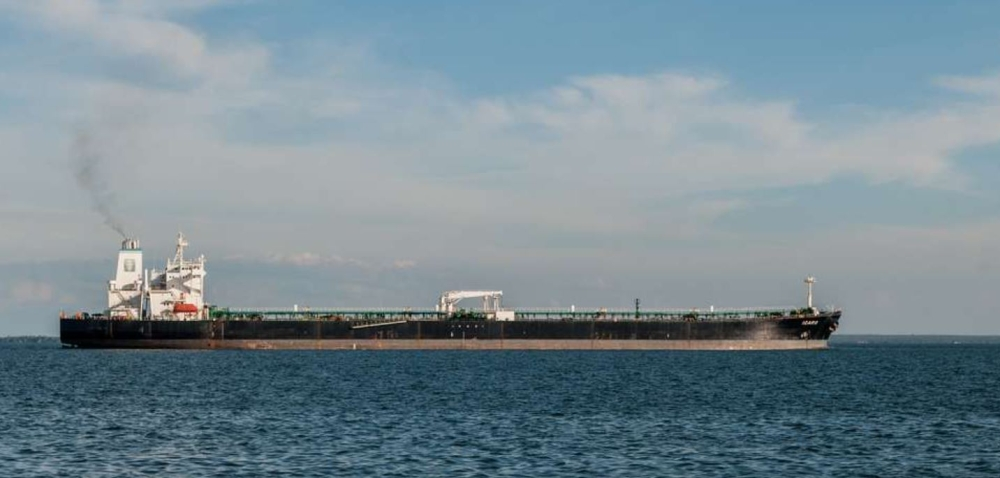
In a move that represents a dangerous escalation in the already strained relations between Washington and Caracas, US President Donald Trump announced on Tuesday a comprehensive naval blockade targeting "sanctioned oil tankers," whether departing from or heading to Venezuelan ports. This announcement marks a new phase in the US administration's "maximum pressure" campaign against the government of President Nicolás Maduro.
Details of the siege and the mutual accusations
Through his account on the Truth Social platform, Trump confirmed that he had issued direct orders to impose this embargo, emphasizing that the US naval fleet, heavily deployed in the Caribbean region, would "increase in size" to ensure the strict implementation of the decision. The US president linked these actions to the need to recover what he described as "oil, land, and assets" that he believes Venezuela had "stolen" from the United States, implicitly referring to the nationalization of the energy sector that began in the 1970s and was consolidated under the late President Hugo Chávez, when foreign companies were forced to relinquish majority stakes in the state-owned oil company (PDVSA).
Trump accused the Maduro regime of using the proceeds from these oil fields to finance illicit activities, including "narco-terrorism, human trafficking, and murder," prompting an angry response from Caracas, which described the announcement as "irrational" and a "heinous threat," considering it an attempt to steal the wealth of the Venezuelan people at gunpoint.
Geopolitical context and historical background
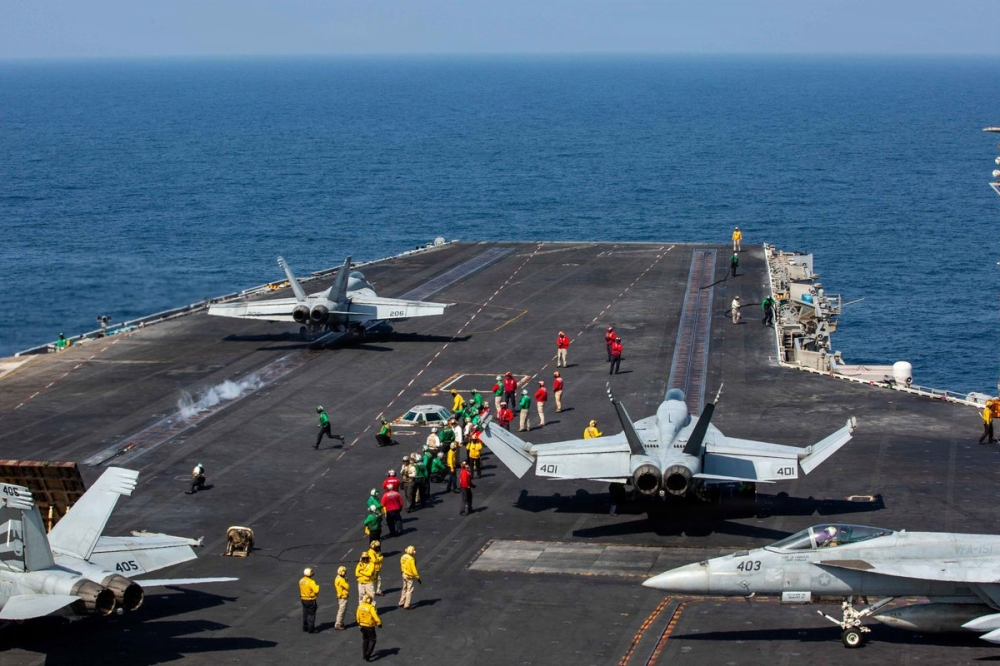
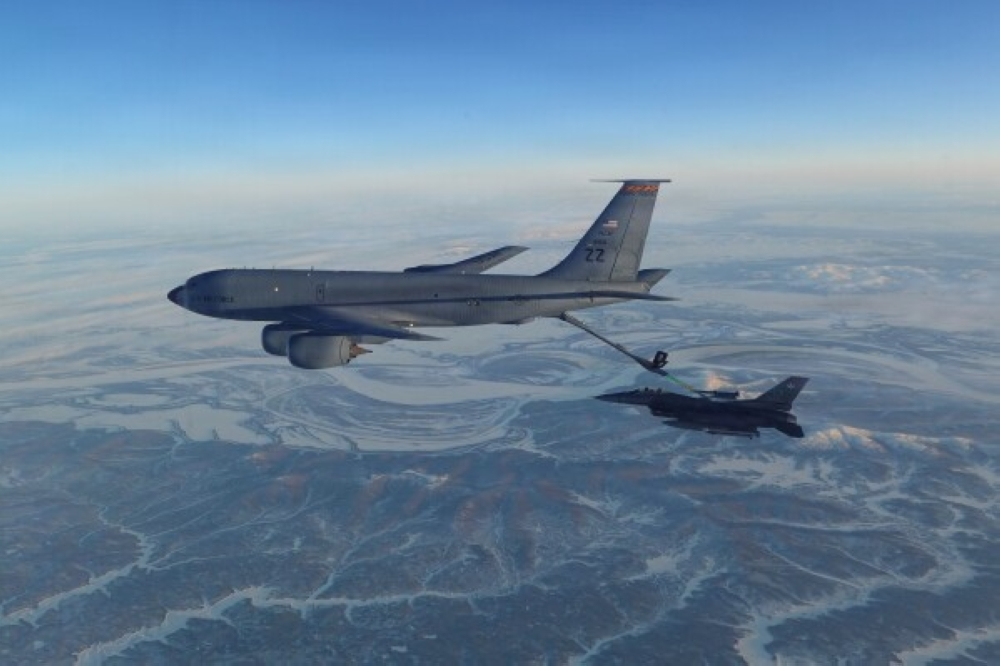
This event cannot be understood in isolation from the historical context of the conflict. Venezuela, which possesses the world's largest proven oil reserves, has been experiencing a diplomatic rift with Washington for years. The United States is intensifying its military presence in the Caribbean under the guise of "counter-narcotics operations," but analysts see this as a pretext to isolate the Maduro regime, which Washington and its allies consider illegitimate. Recent weeks have witnessed heightened tensions on the ground, including US military aircraft flying near the Venezuelan coast, intercepting boats on suspicion of smuggling (resulting in casualties), and the seizure of previous oil shipments.
Potential disastrous economic consequences
Economically, this blockade threatens catastrophic consequences for Venezuela’s already fragile economy. Although Venezuelan production has plummeted from record highs of 3 million barrels per day to around 1 million, oil exports remain its only lifeline for hard currency. In this regard, Elias Ferrer, an analyst at Orinoco Research, warned that halting exports would lead to a complete collapse in the country’s ability to import essential goods, stating, “We won’t be able to import, which means severe shortages of food and medicine.” This situation is forcing Caracas to resort to the black market and sell oil at enormous discounts to countries like China in a desperate attempt to avert total collapse.