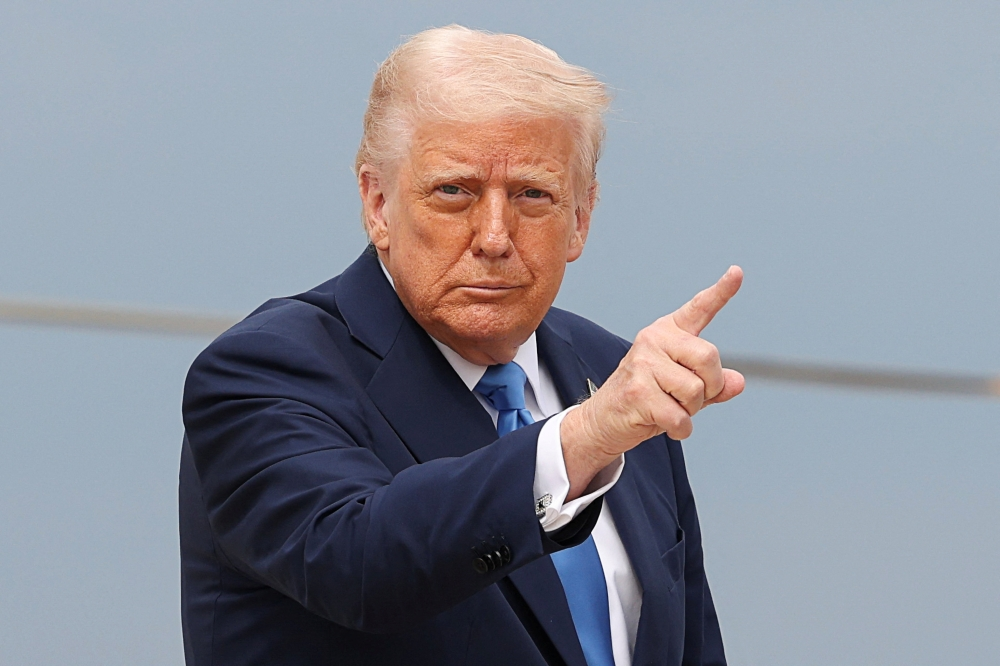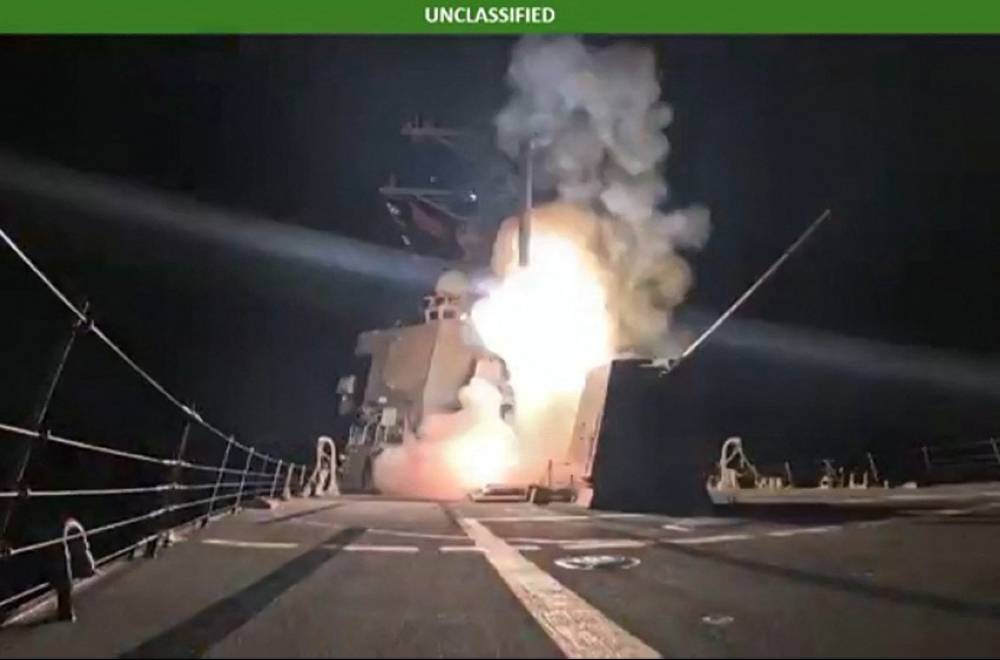
In a significant military development, US President Donald Trump announced the success of US forces in launching devastating airstrikes targeting ISIS strongholds in Nigeria, asserting that the operation completely destroyed the targeted camps. This announcement came during an interview the president gave to Politico, published on Friday, in which he highlighted the motivations behind this decisive military action.
Details of the military operation and the "Christmas gift"
In his statement, President Trump described the operation as a “Christmas gift,” emphasizing the element of surprise that played a crucial role in the attack’s success. Trump said, “They had been planning hostile acts, but I said, ‘No, let’s give them a Christmas present.’ They didn’t expect it, but we hit them with tremendous force, and all their camps were destroyed.” The US president linked this direct military intervention to the defense of religious freedoms, noting that the organization was targeting Christians in those areas, which necessitated a firm American response.
High-level military coordination
For his part, US Defense Secretary Pete Higgseth confirmed the success of the operation and the readiness of US forces to operate in West Africa. Speaking on the “X” platform, Higgseth praised the close cooperation with the Nigerian government, expressing his gratitude for the support Abuja provided to facilitate the strikes. This statement reflects the growing level of security and intelligence coordination between Washington and Abuja in the face of escalating terrorist threats in the Sahel and Sahara region.
The security context and the threat of ISIS in West Africa
These attacks come at a time when West Africa, particularly Nigeria, is witnessing a surge in the activity of armed groups. The Islamic State West Africa Province (ISWAP), which broke away from Boko Haram in 2016, is one of the most dangerous terrorist factions on the continent. The group has consistently carried out deadly attacks targeting civilians, military bases, and religious institutions, causing humanitarian crises and mass displacement in the Lake Chad Basin region.
Strategic dimensions of US intervention
This military intervention carries significant strategic implications, signaling a return to a policy of "preemptive strikes" and "direct deterrence" under the Trump administration, particularly in areas experiencing persecution of religious minorities. The event also underscores Nigeria's geopolitical importance as a pivotal US partner in Africa. Observers believe that destroying these camps could deal a severe blow to the organization's logistical and operational capabilities, potentially contributing to improved security in northeastern Nigeria. However, the ultimate eradication of extremist ideology requires parallel developmental and intellectual efforts alongside military solutions.